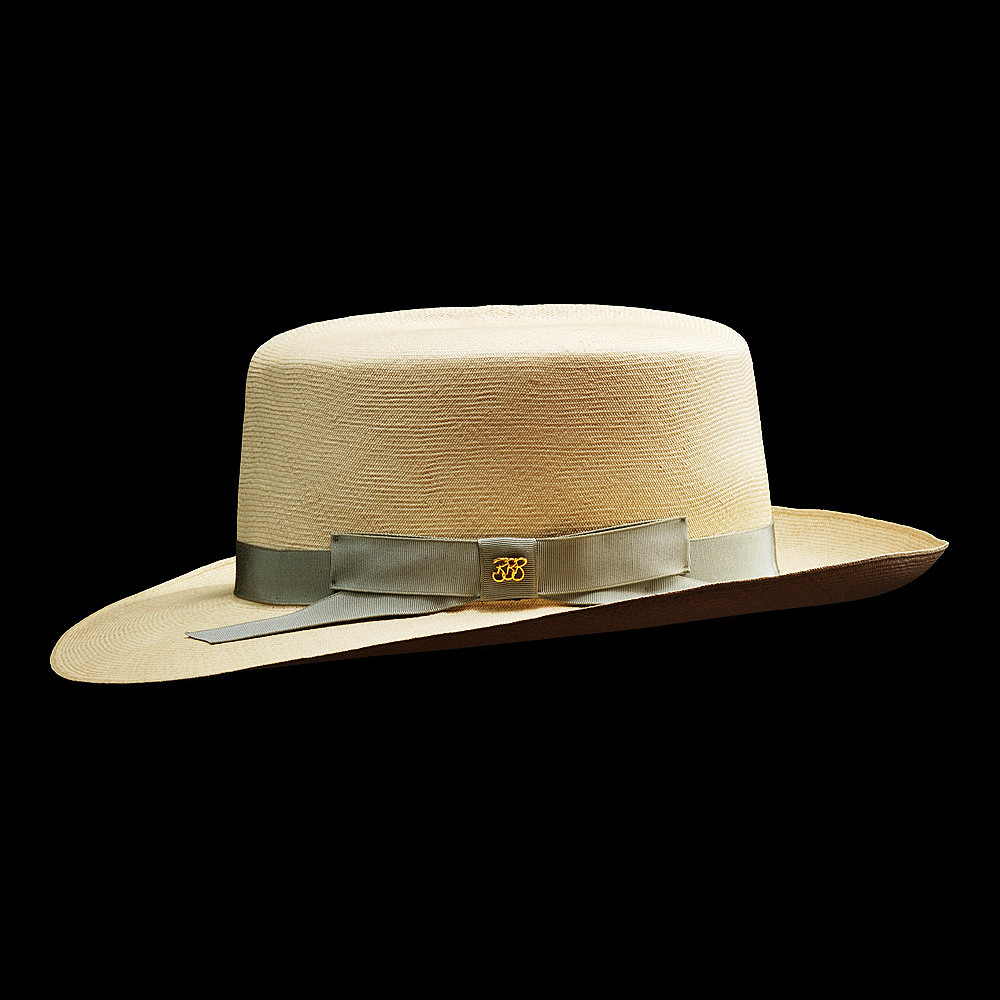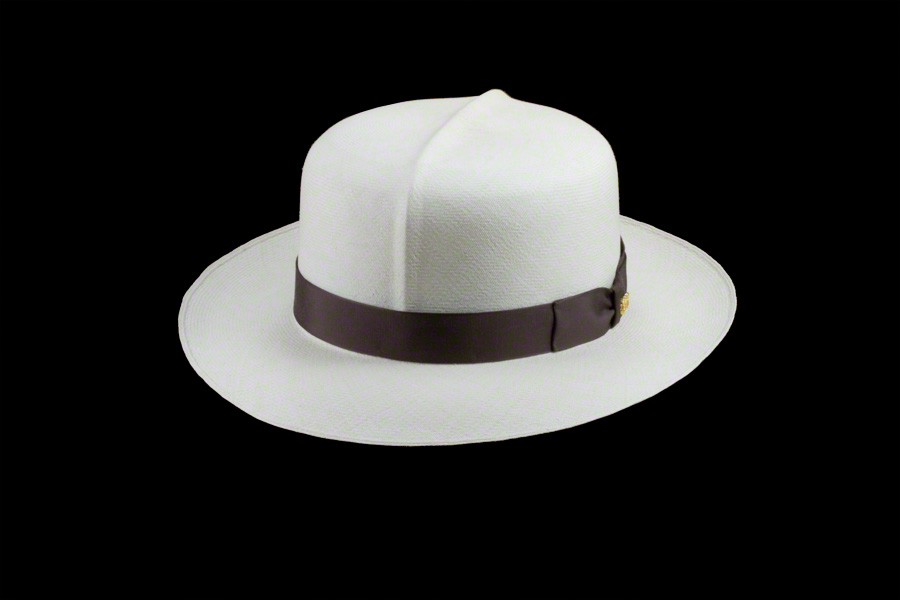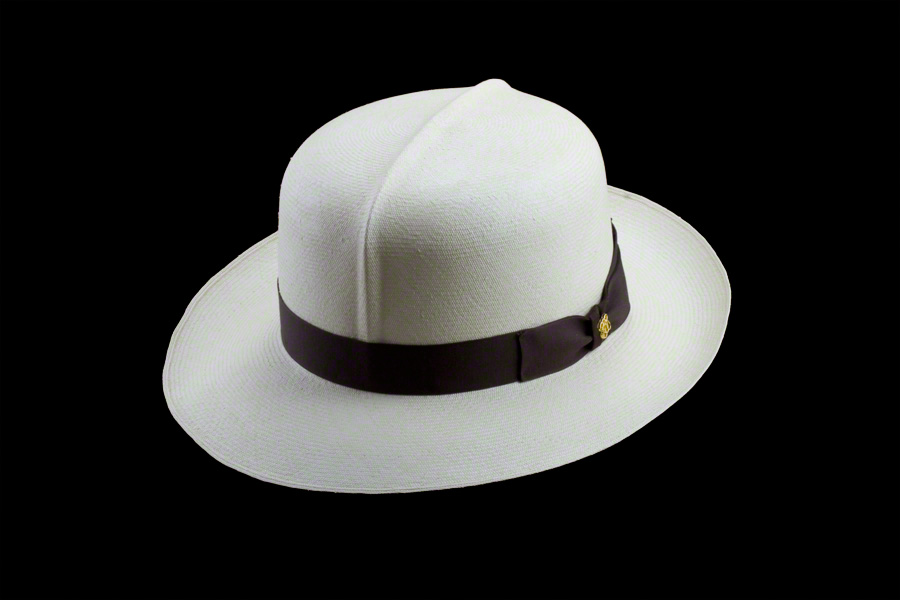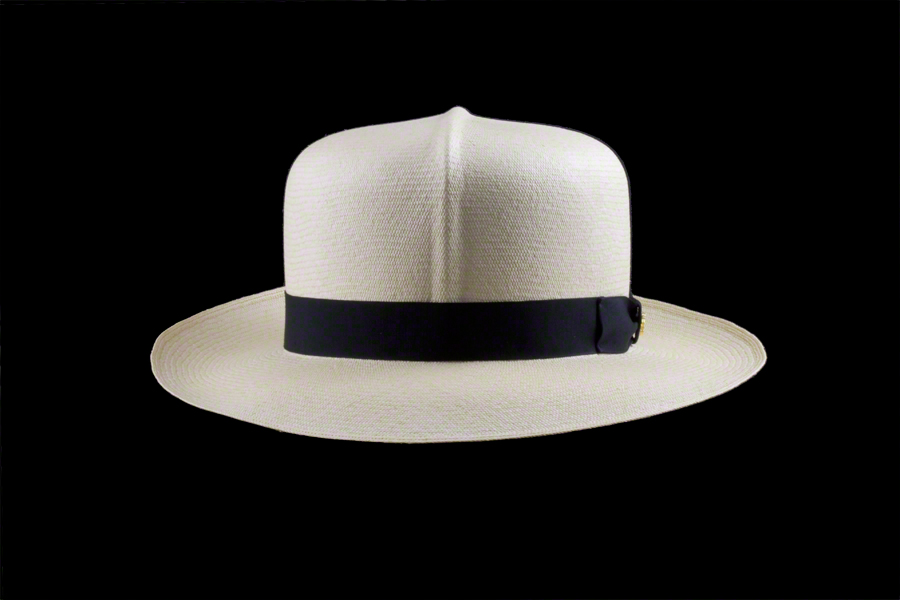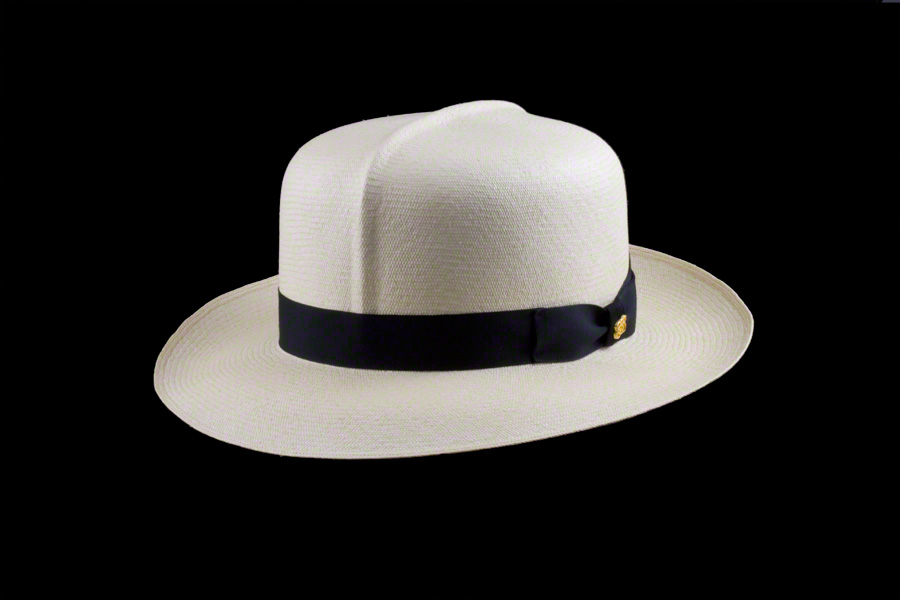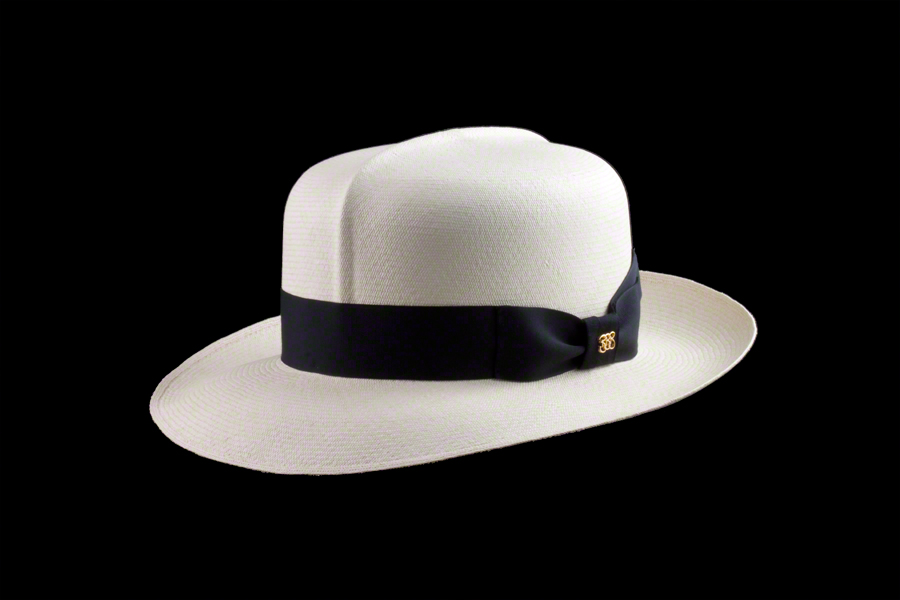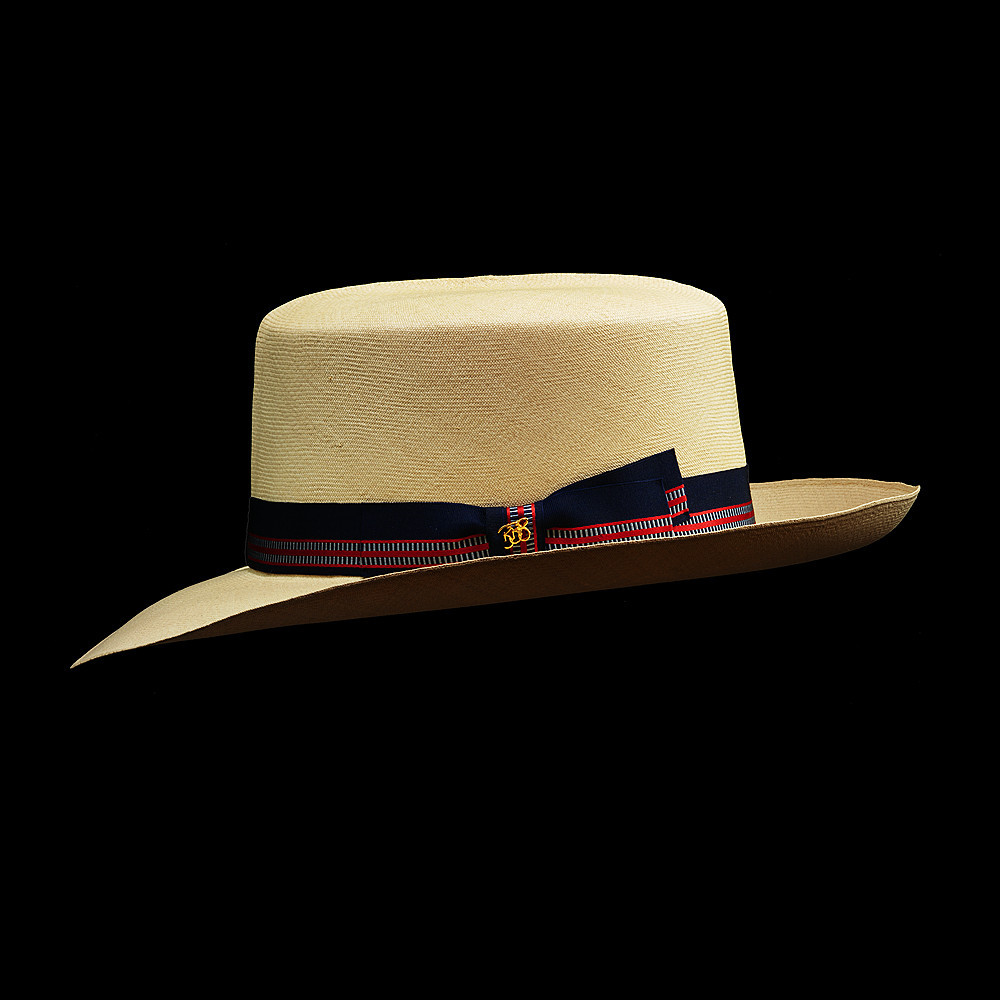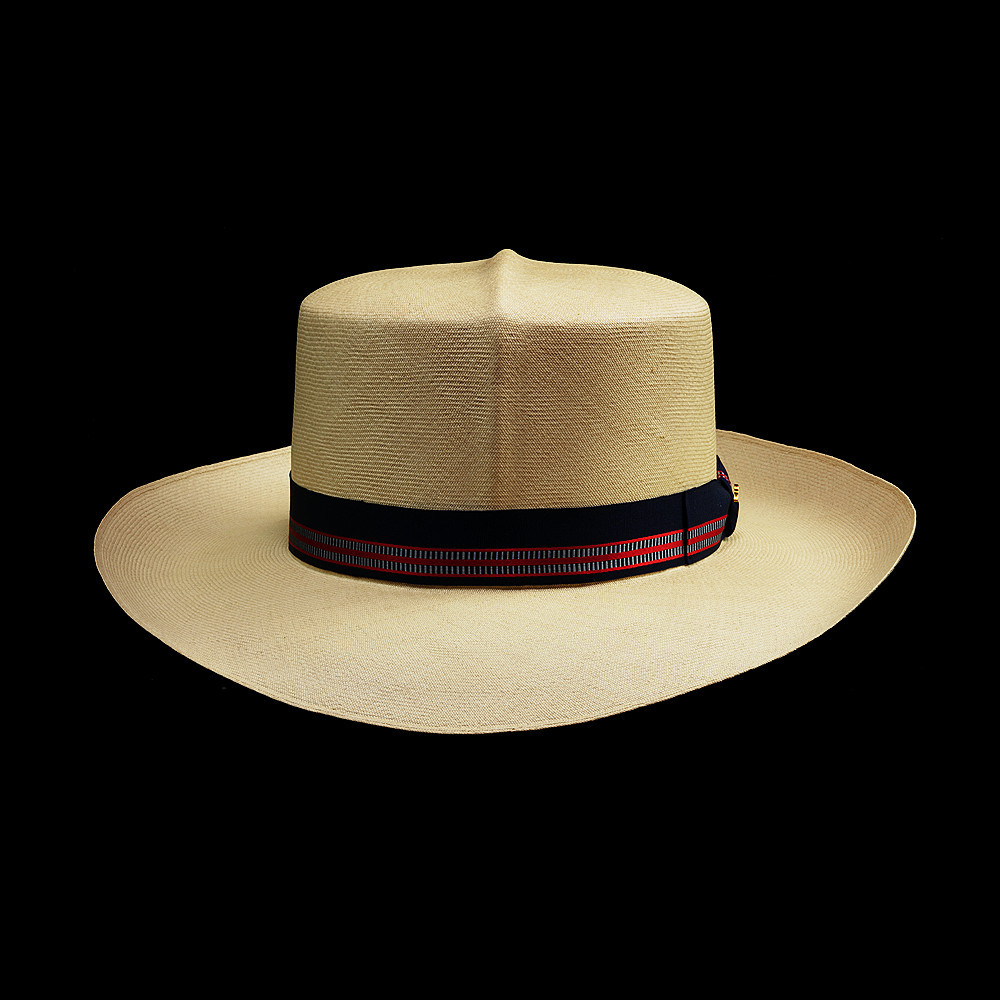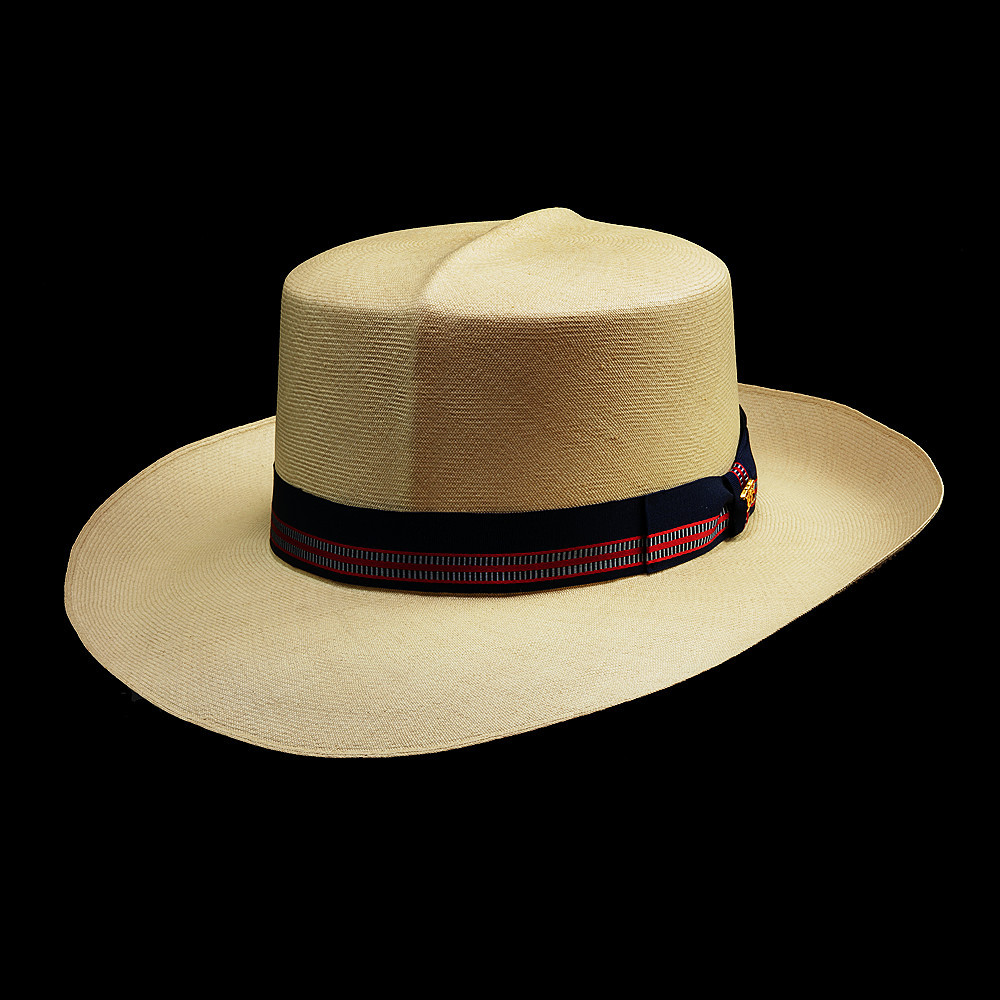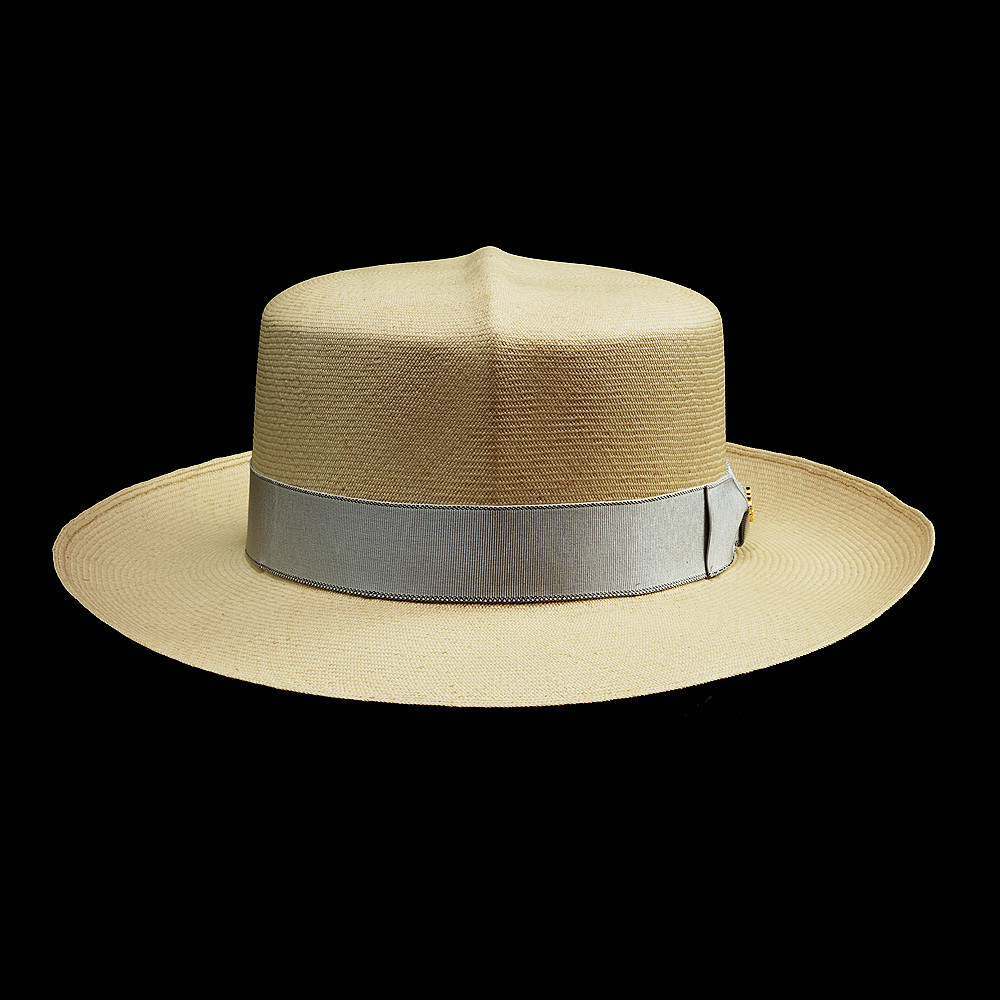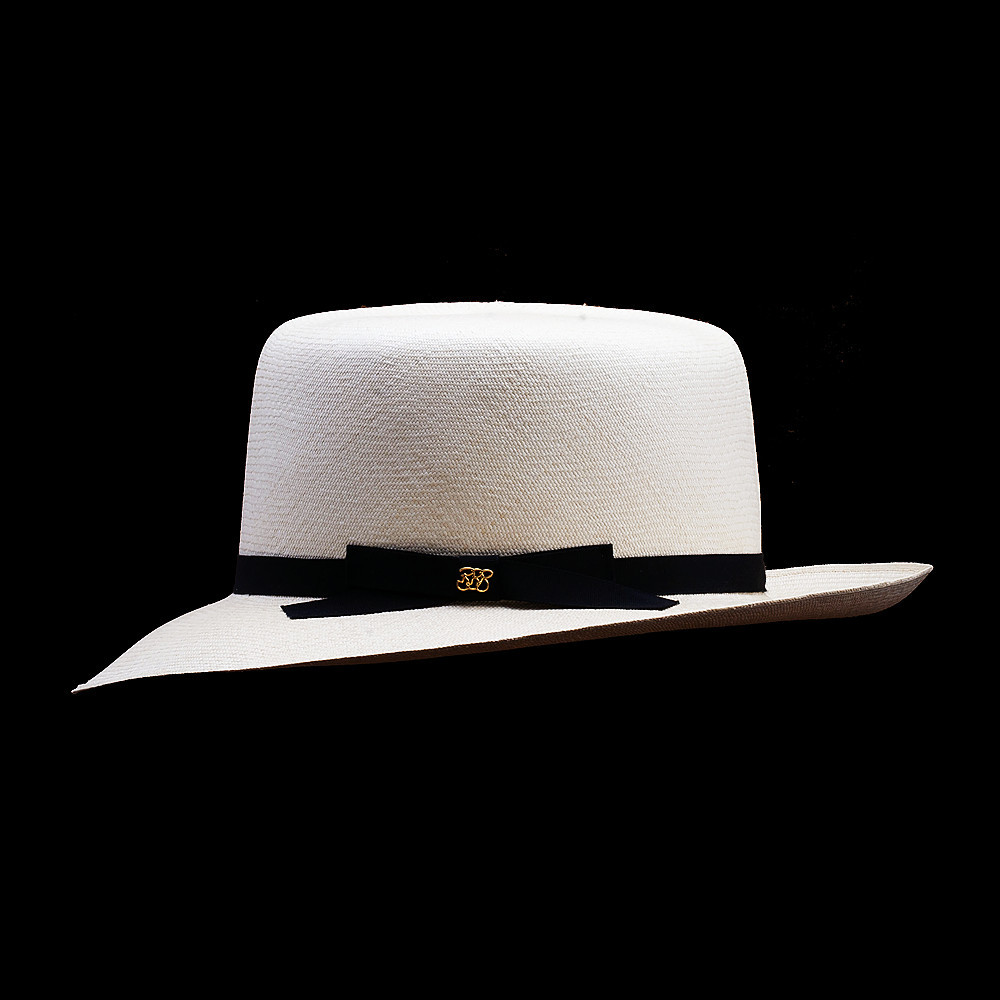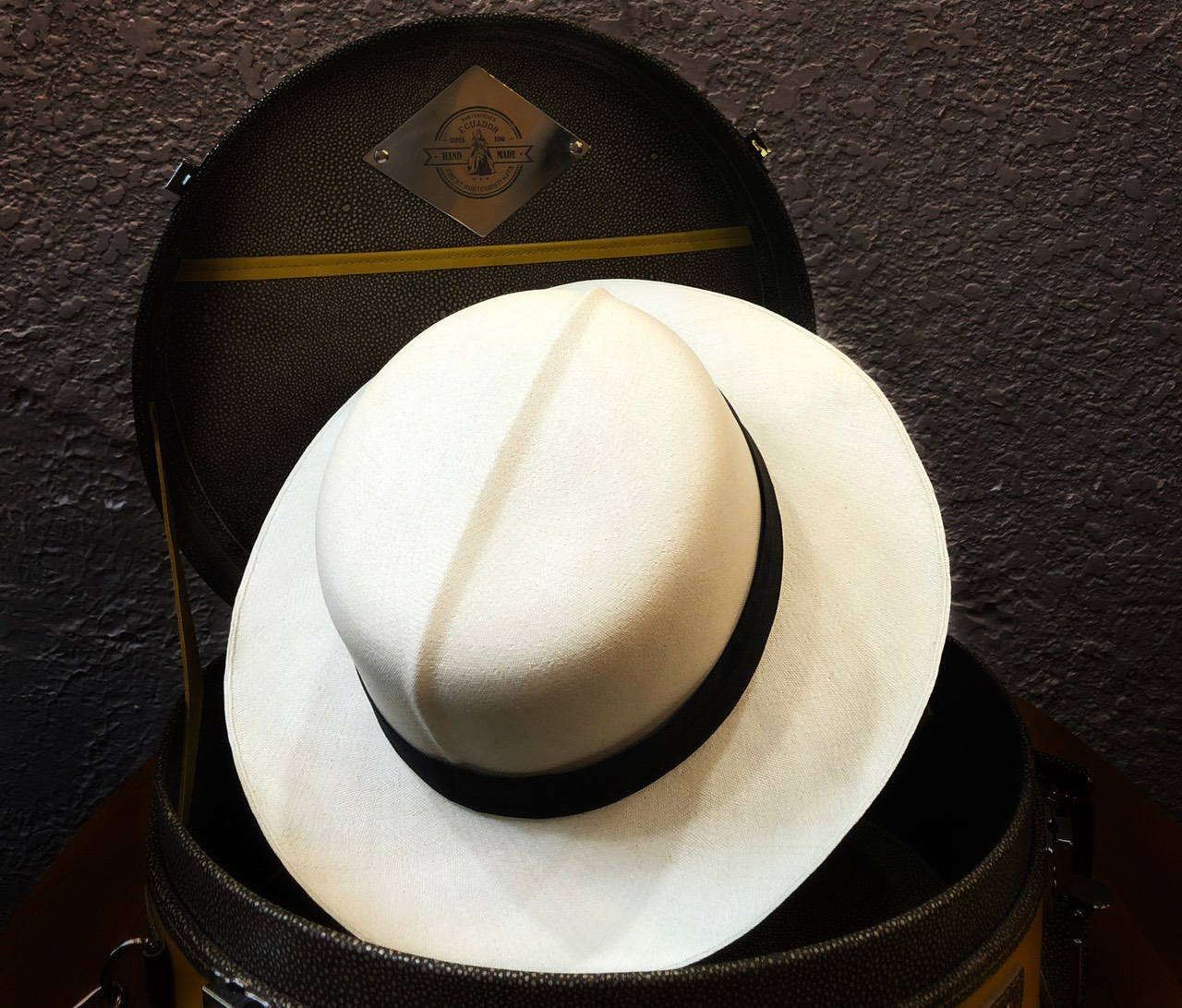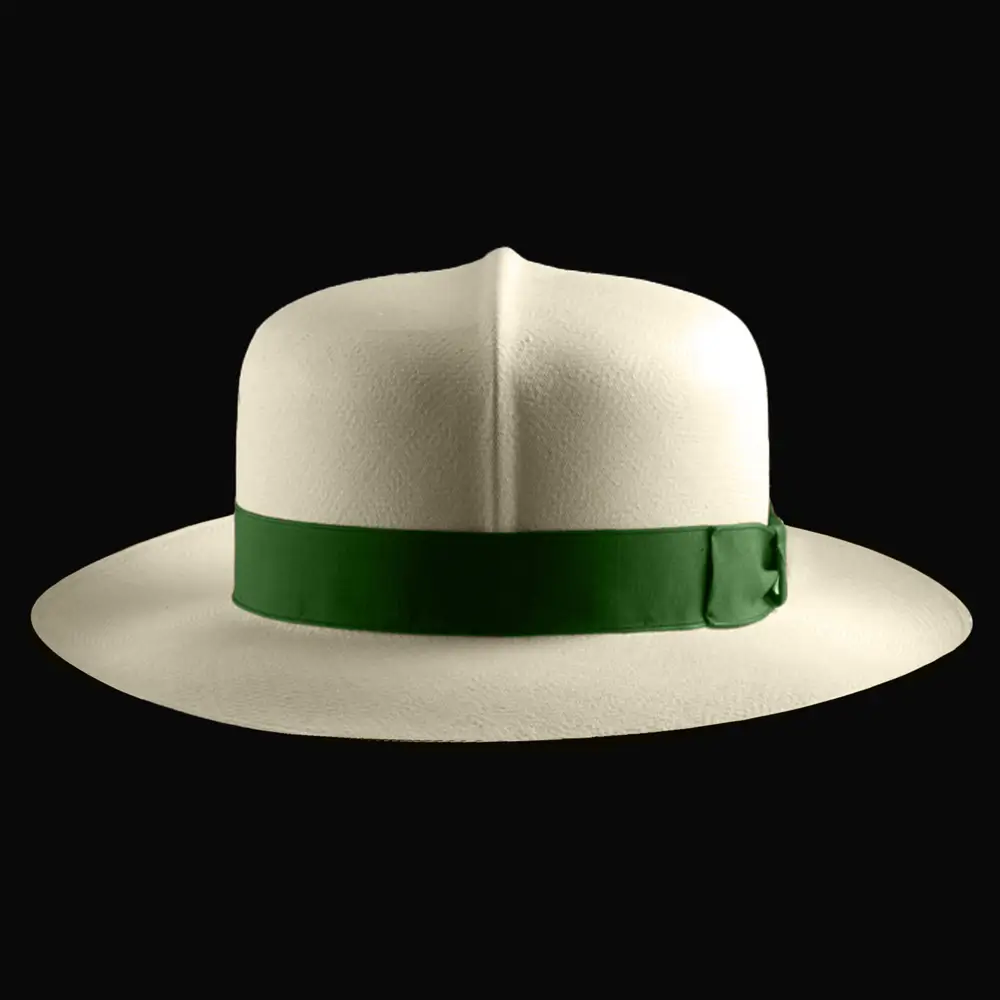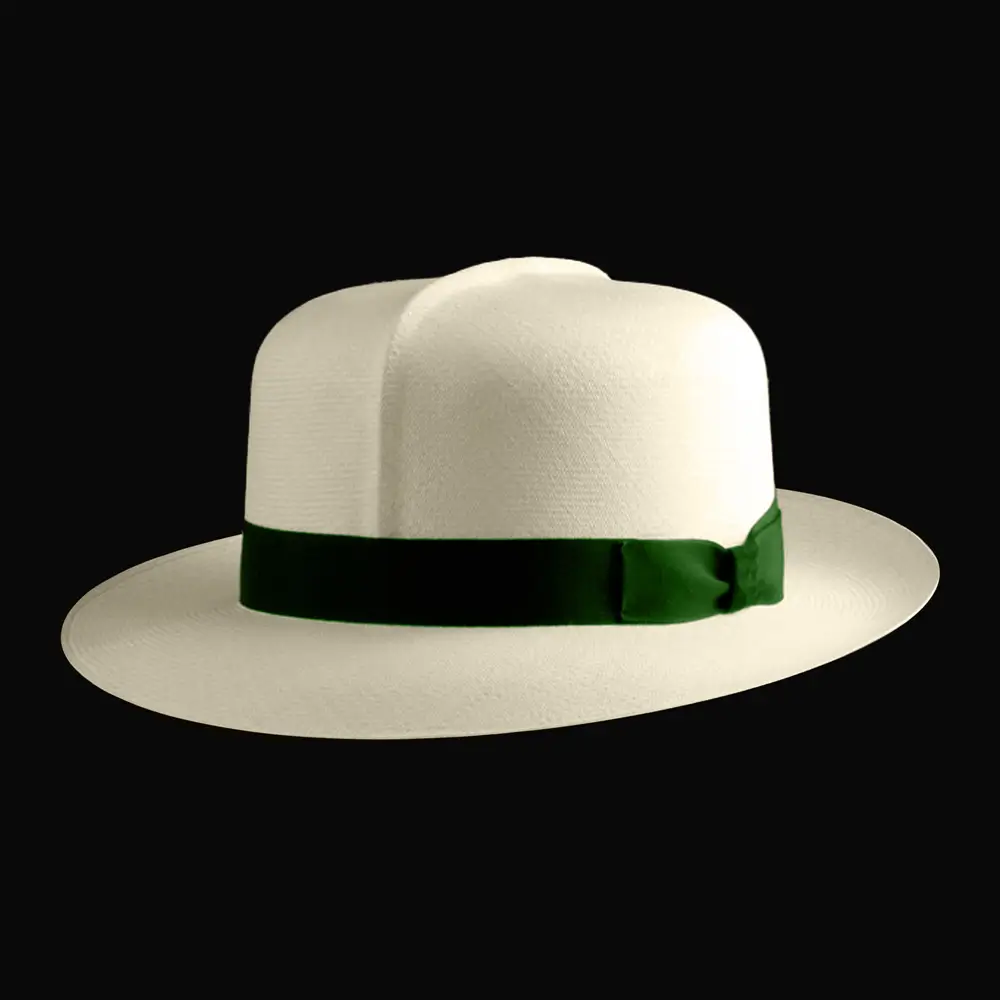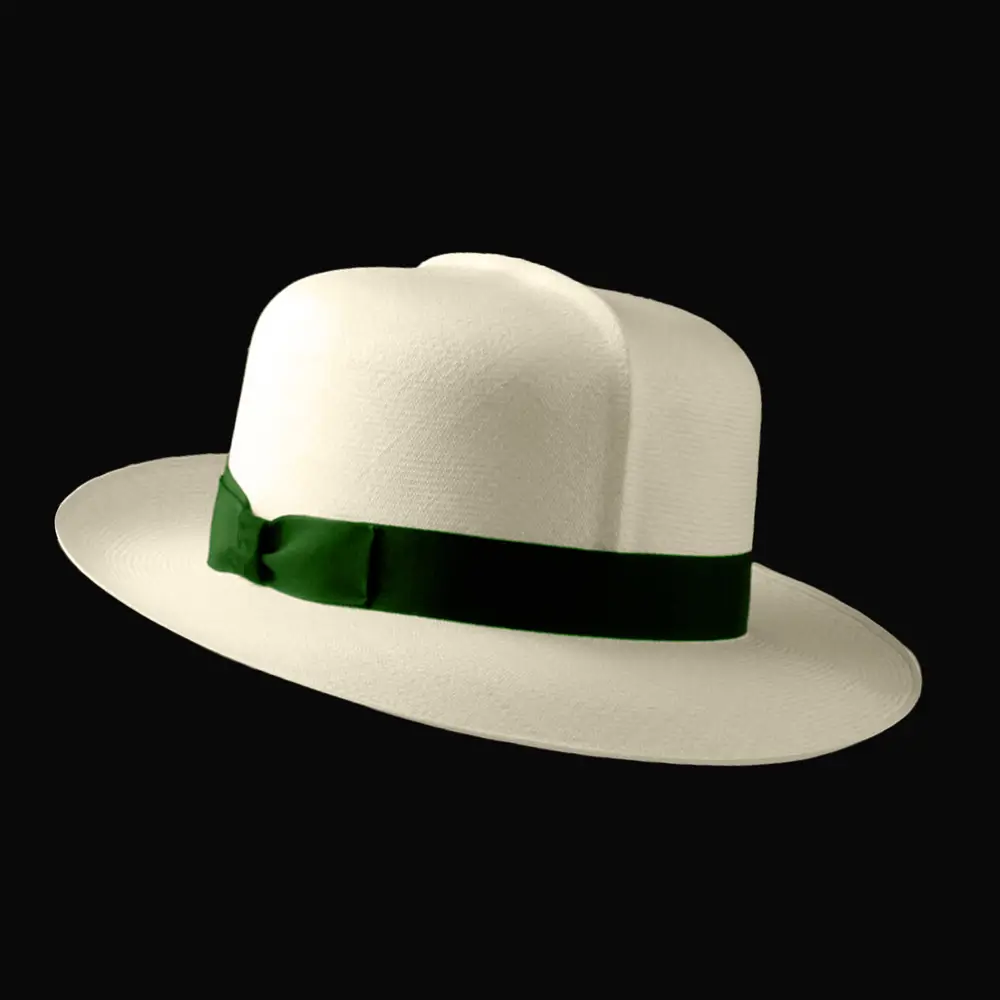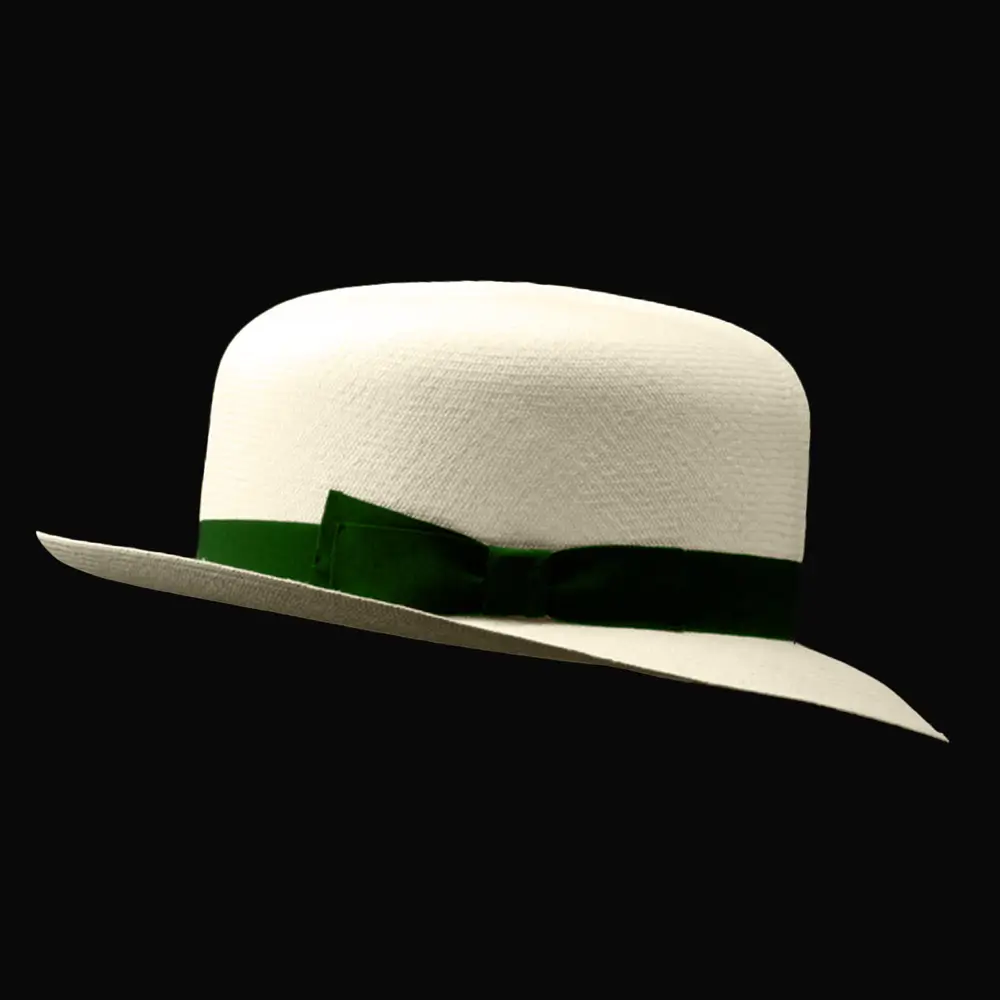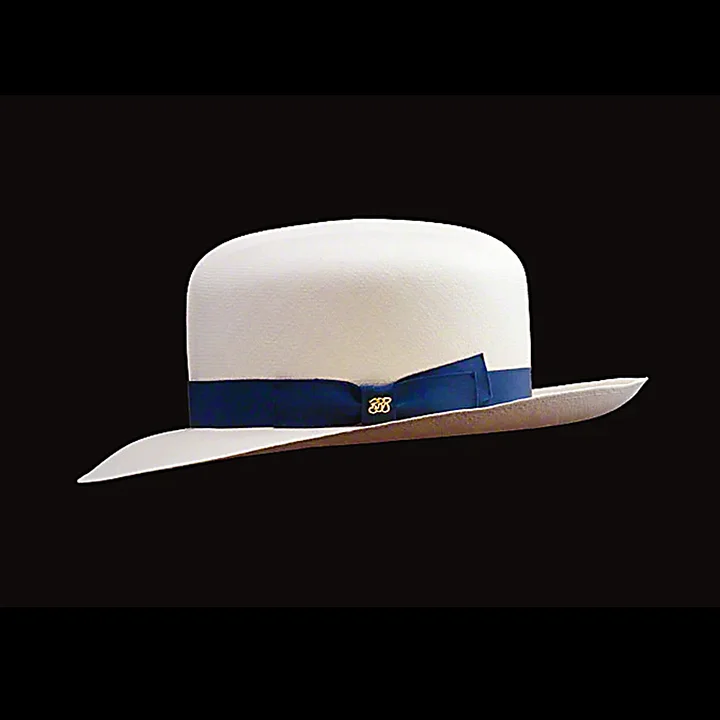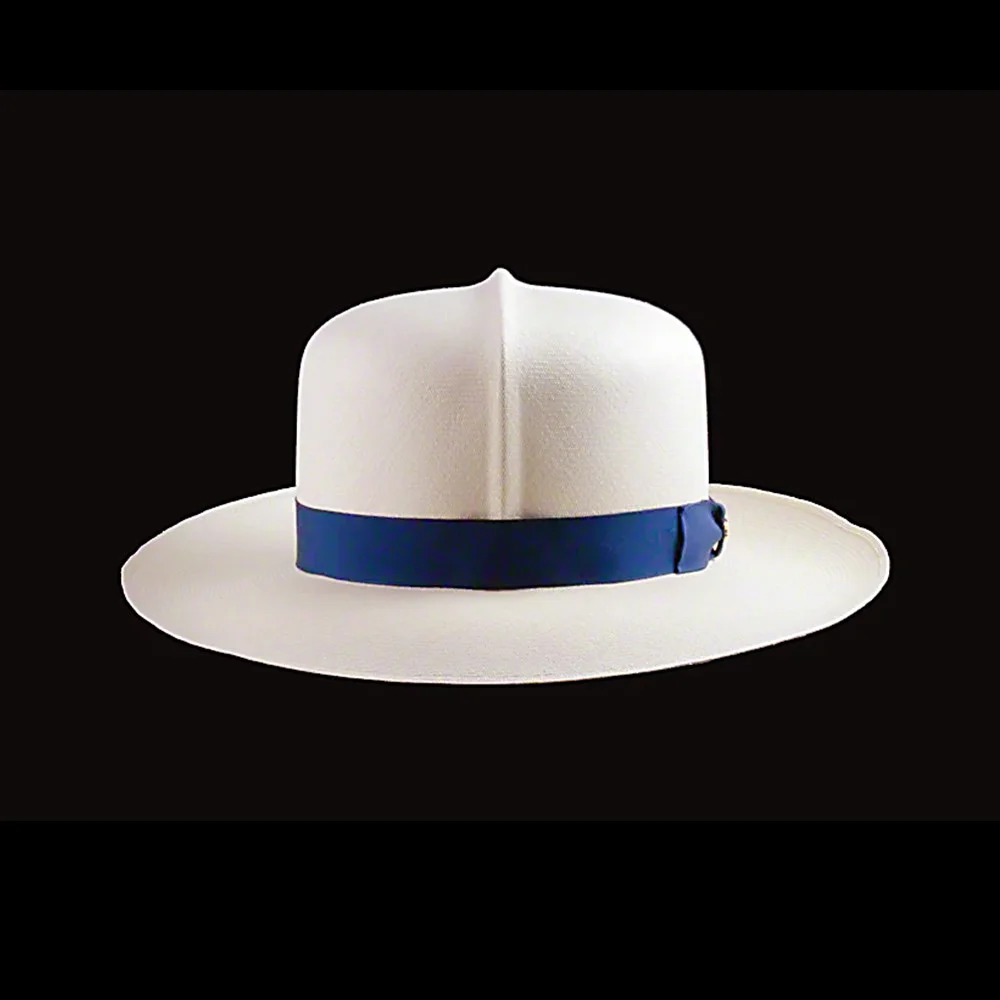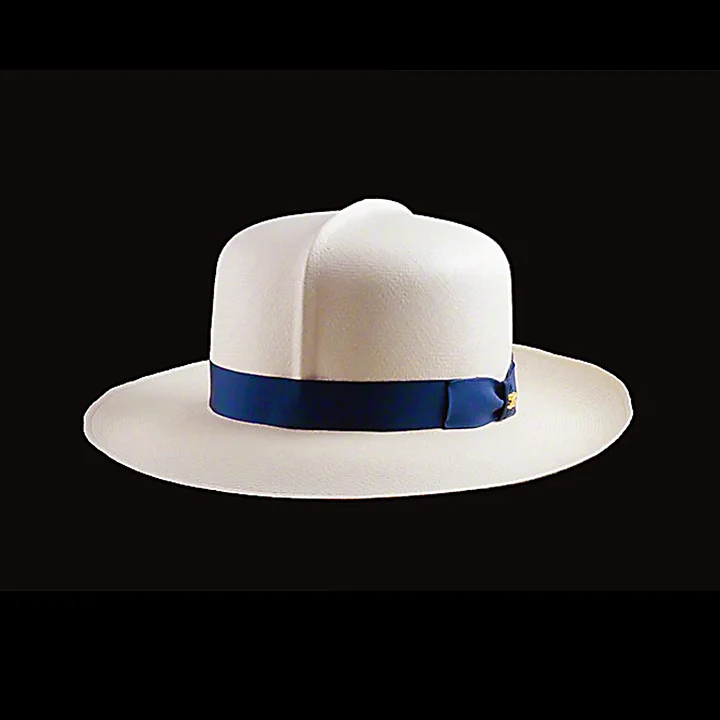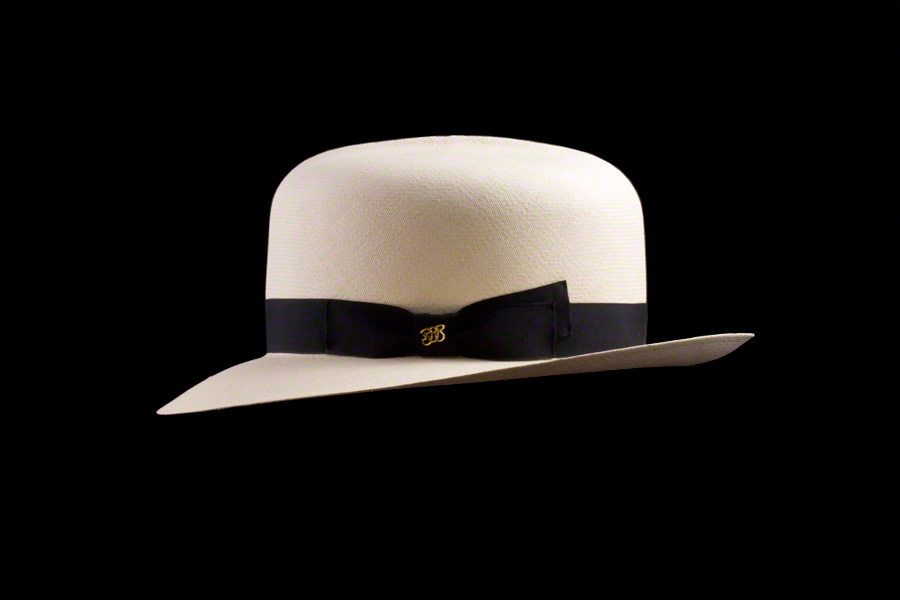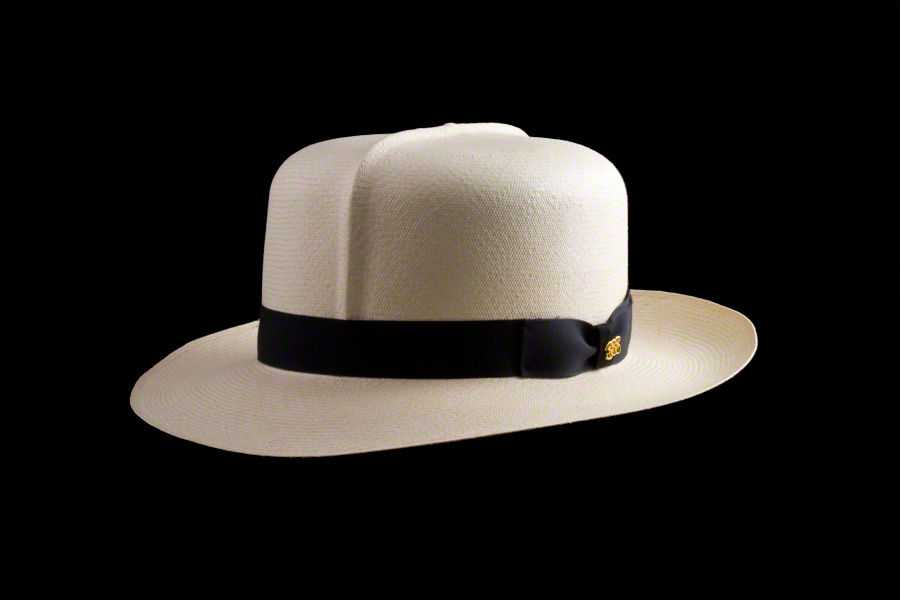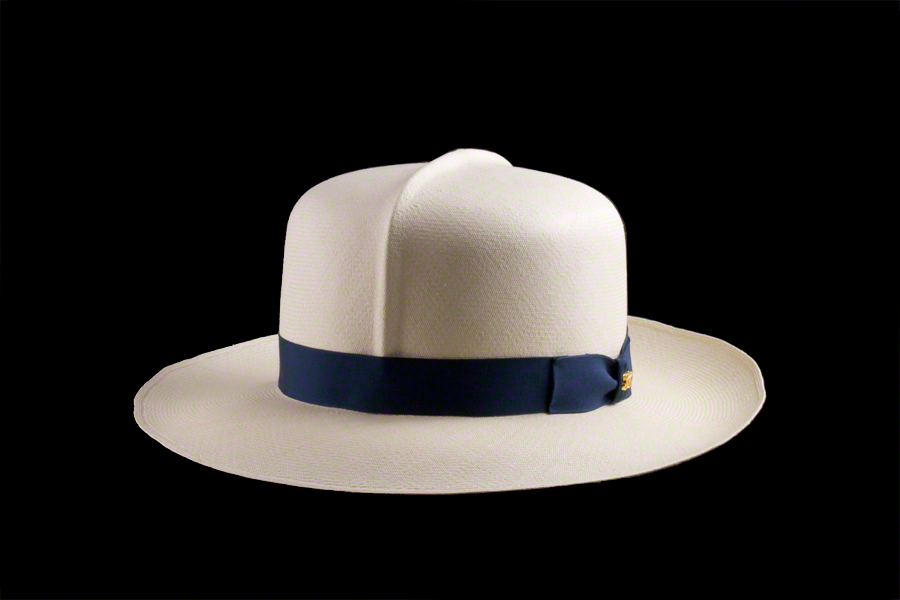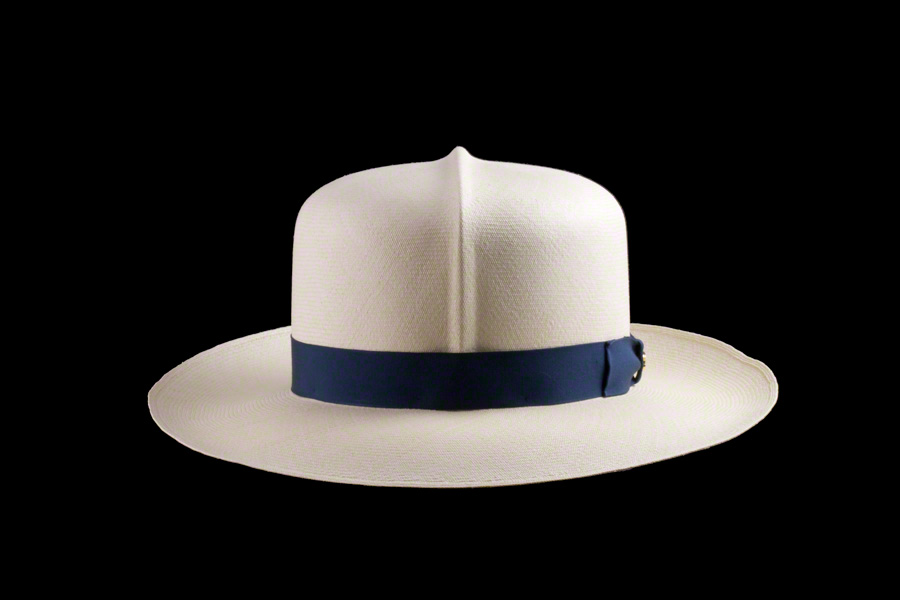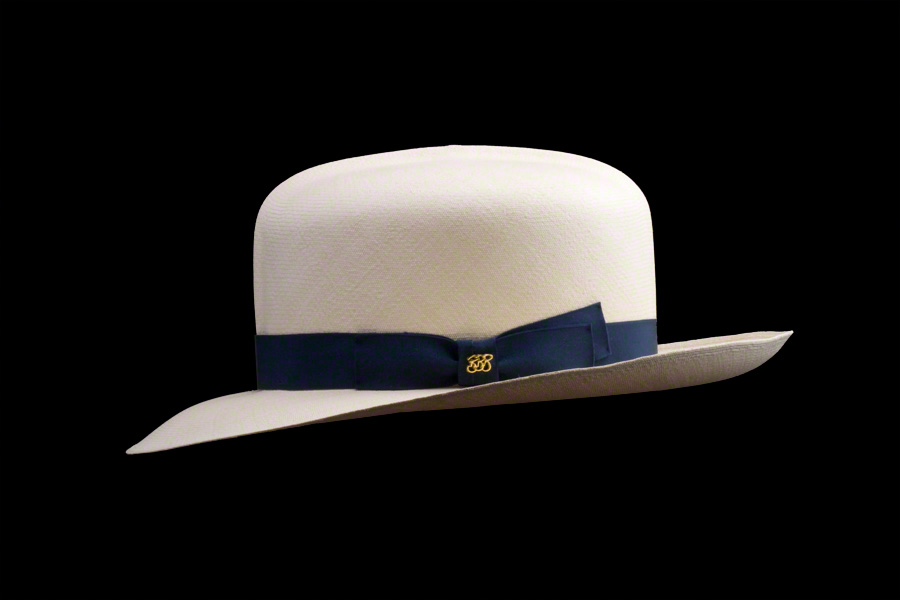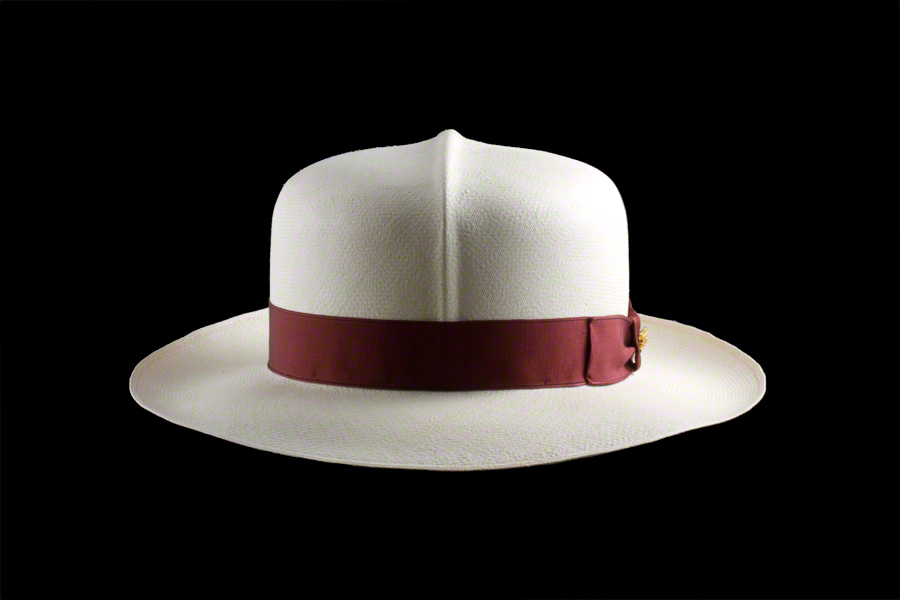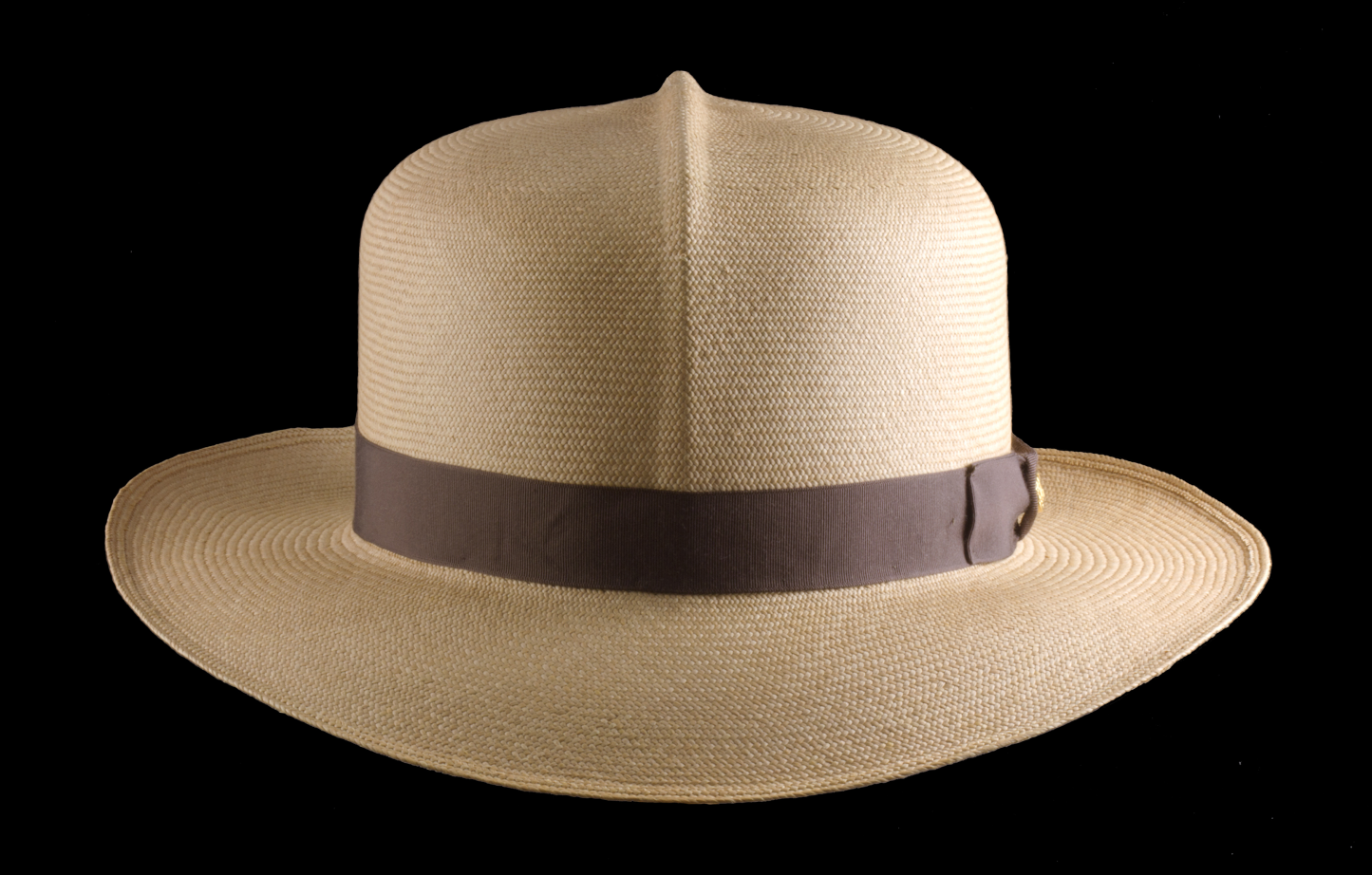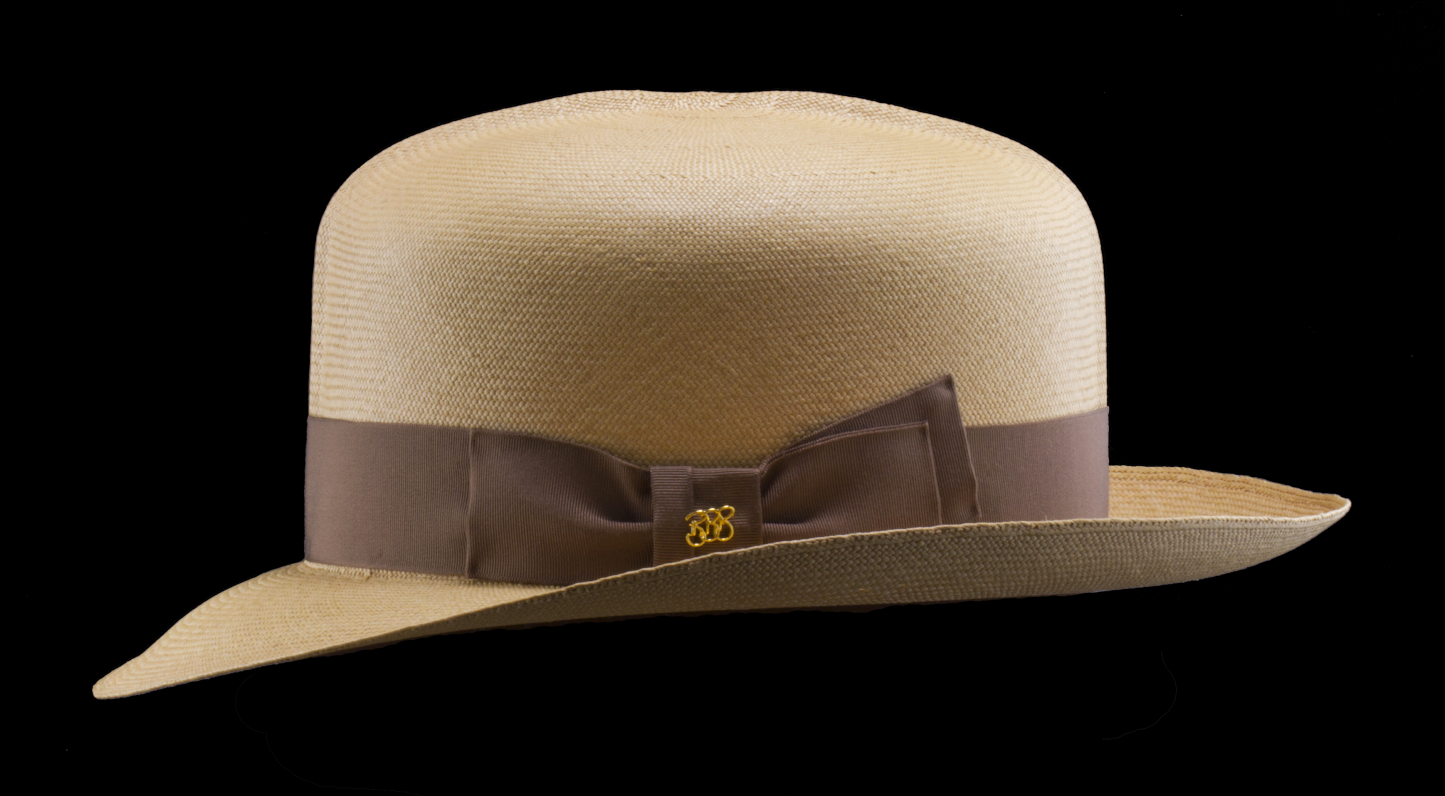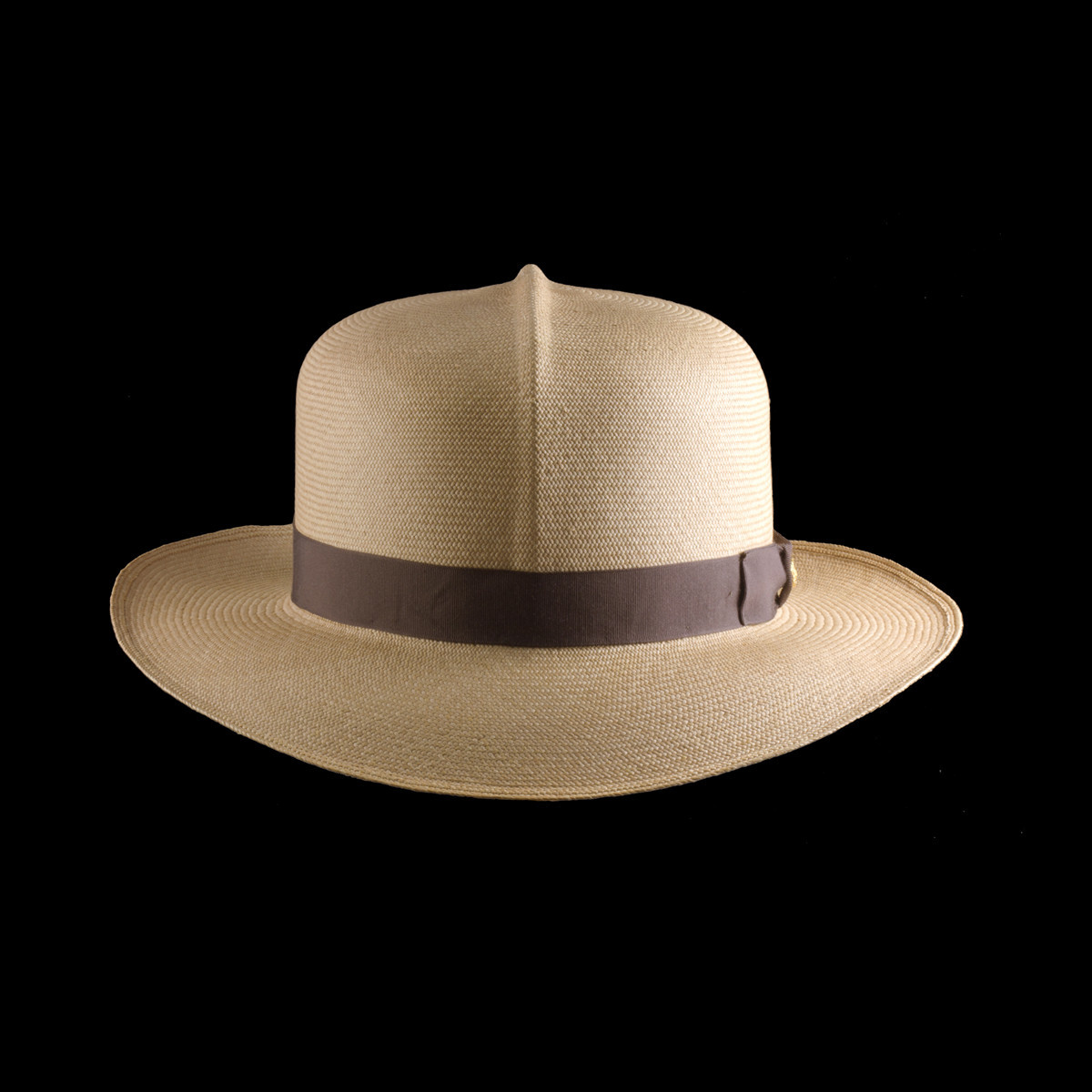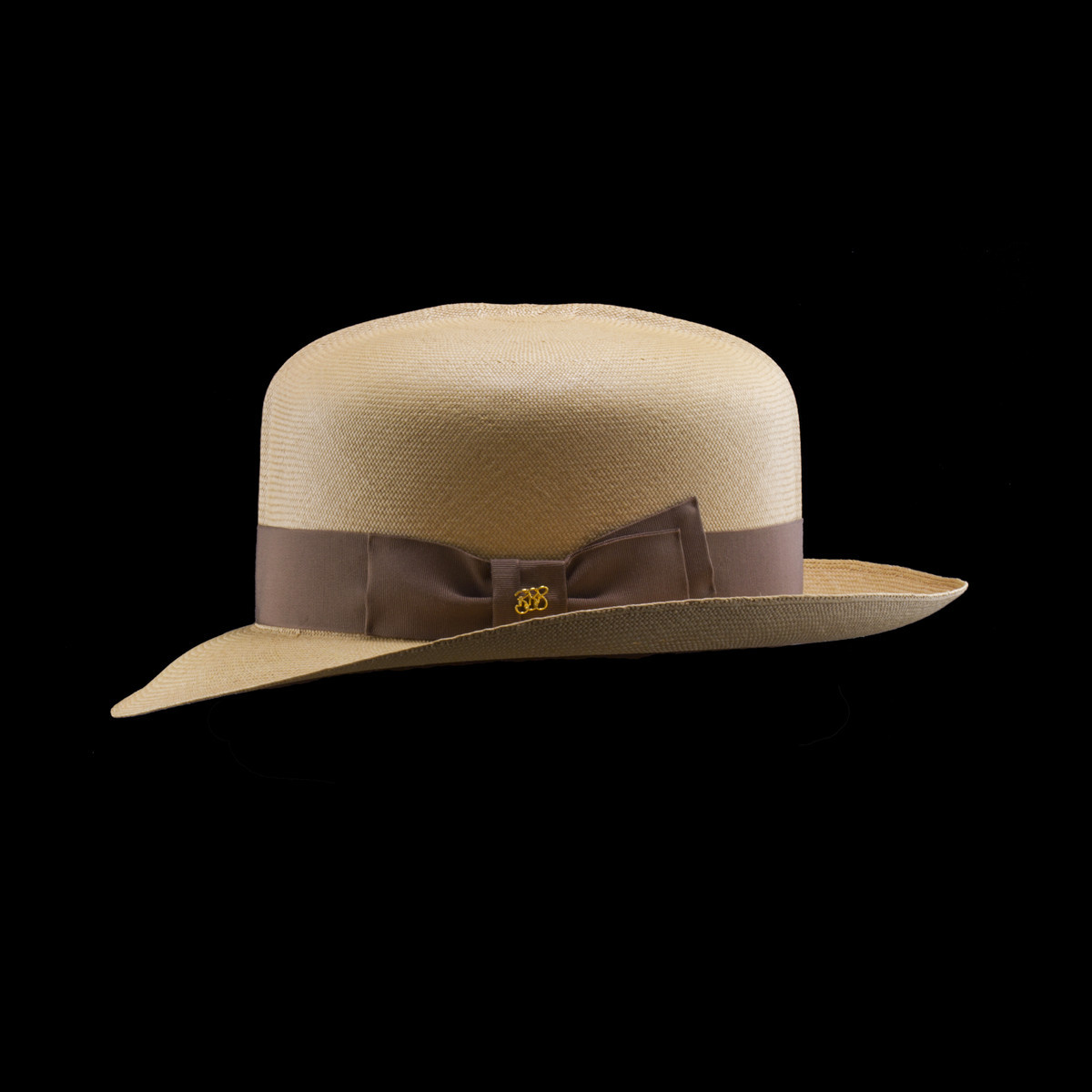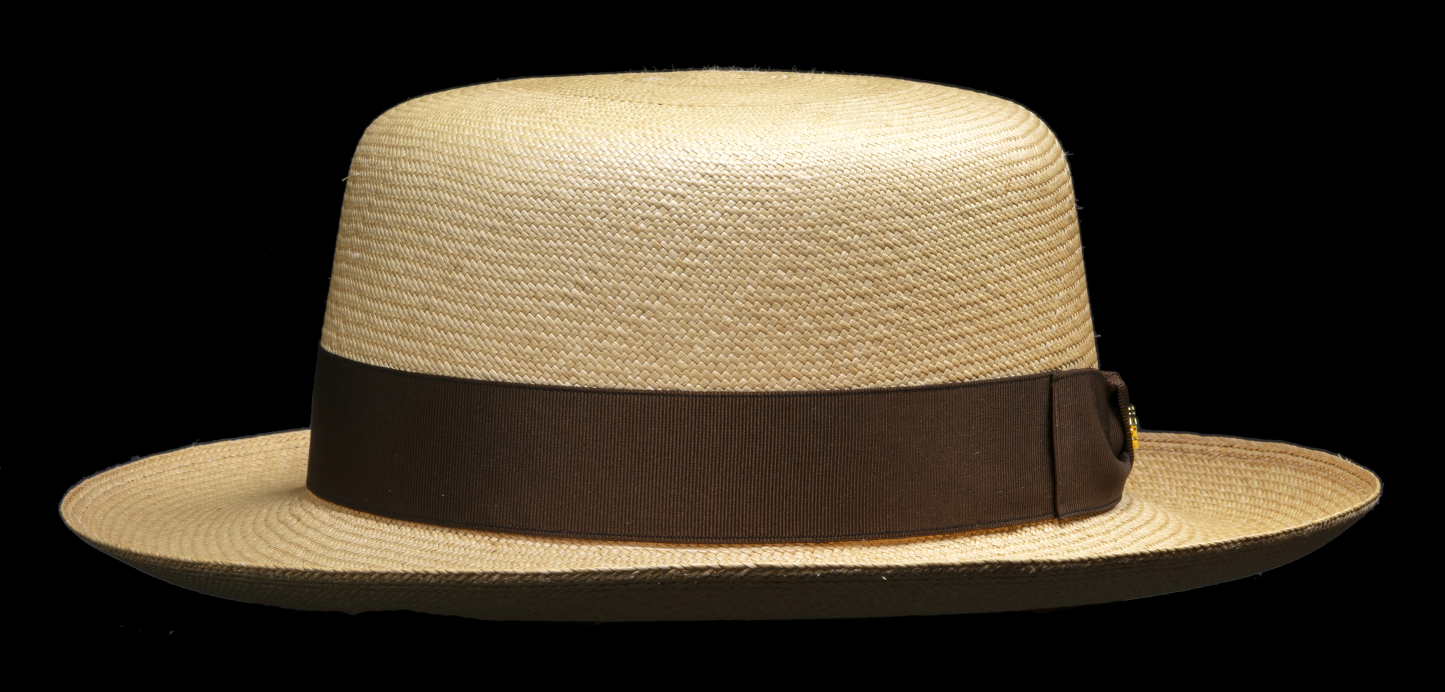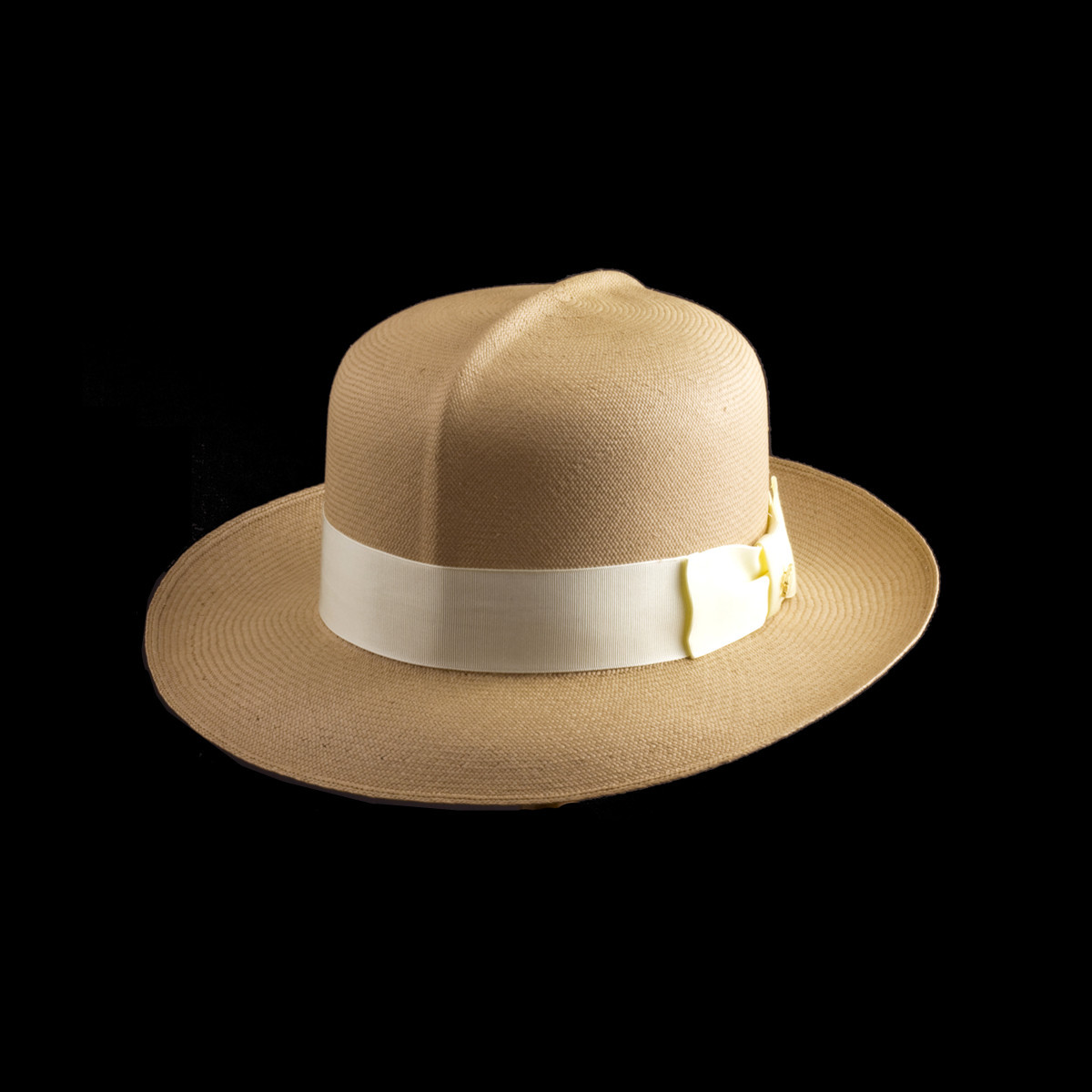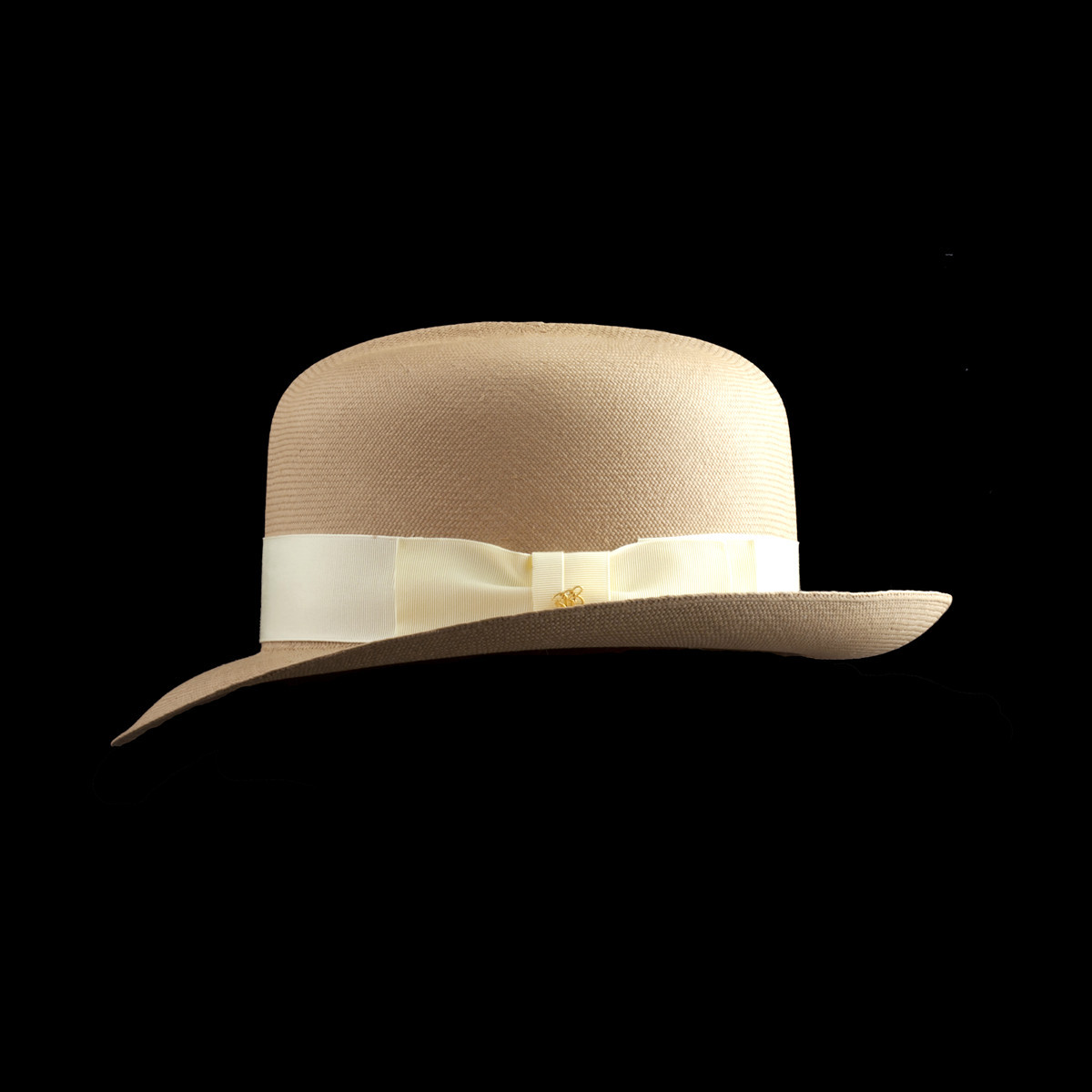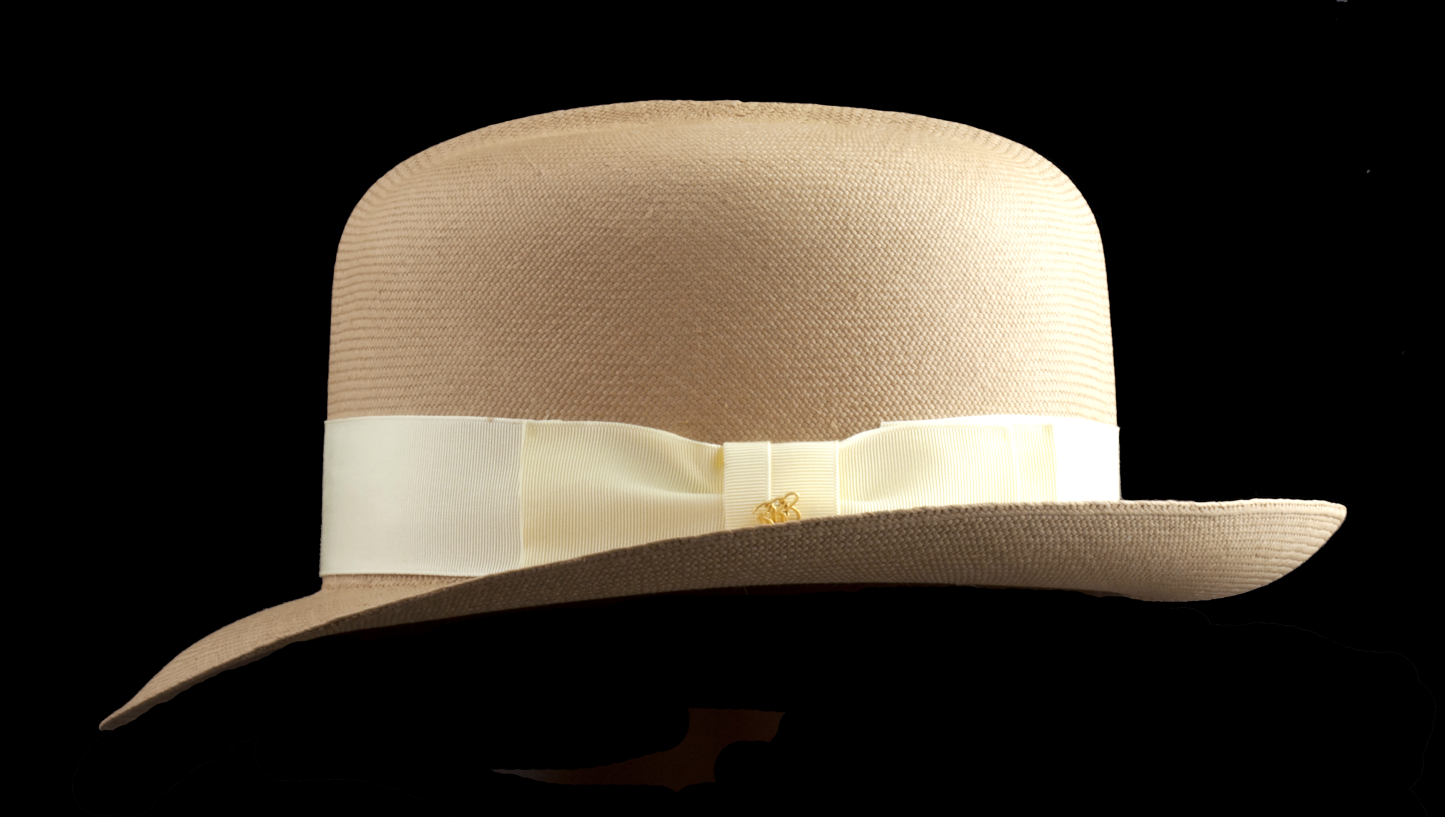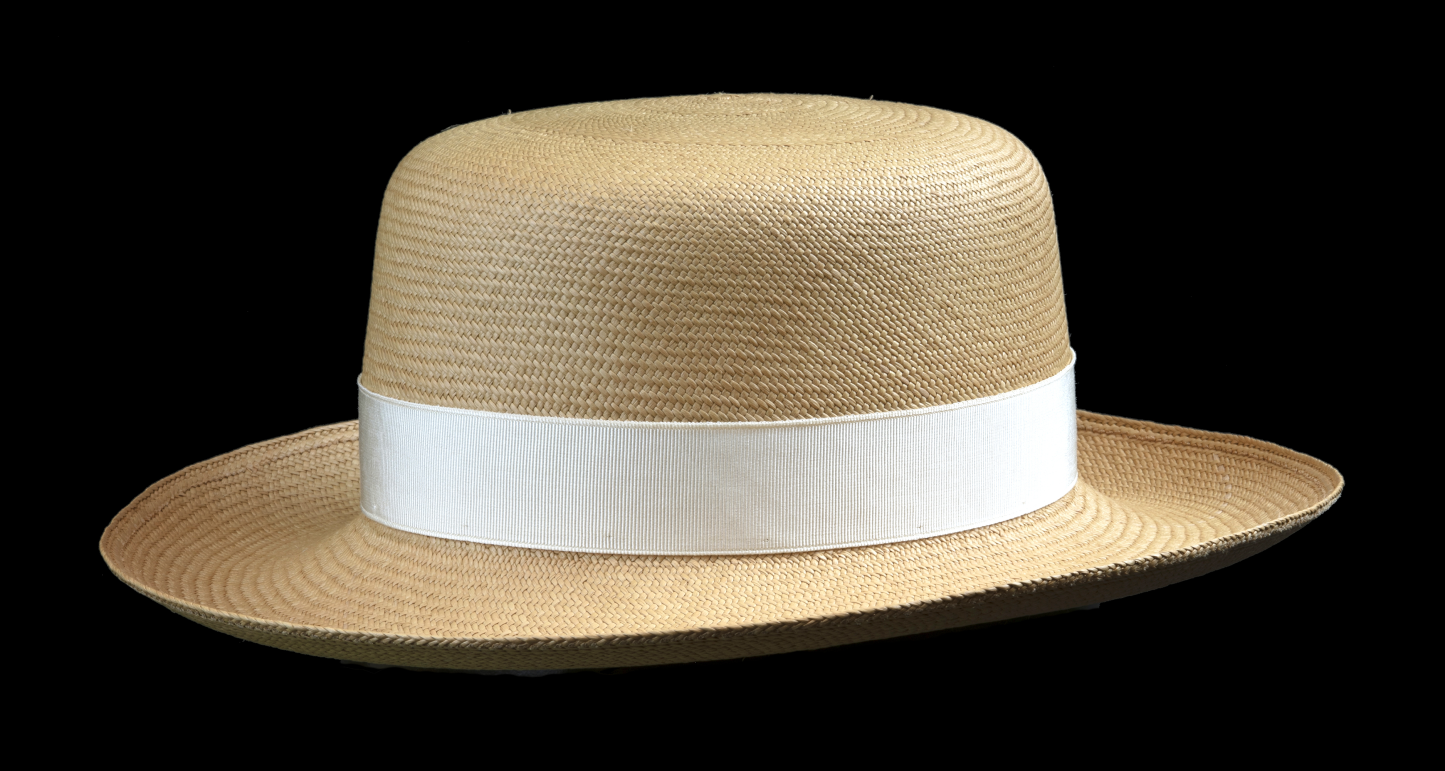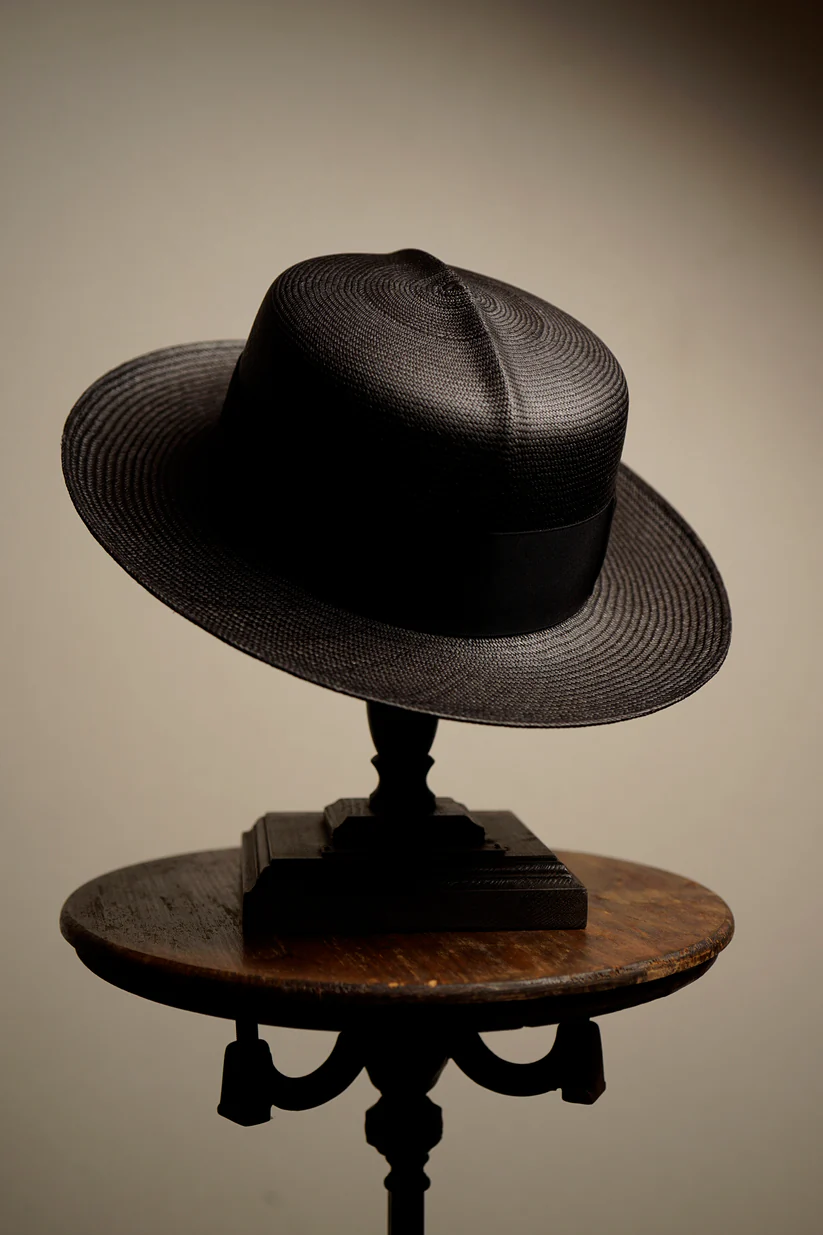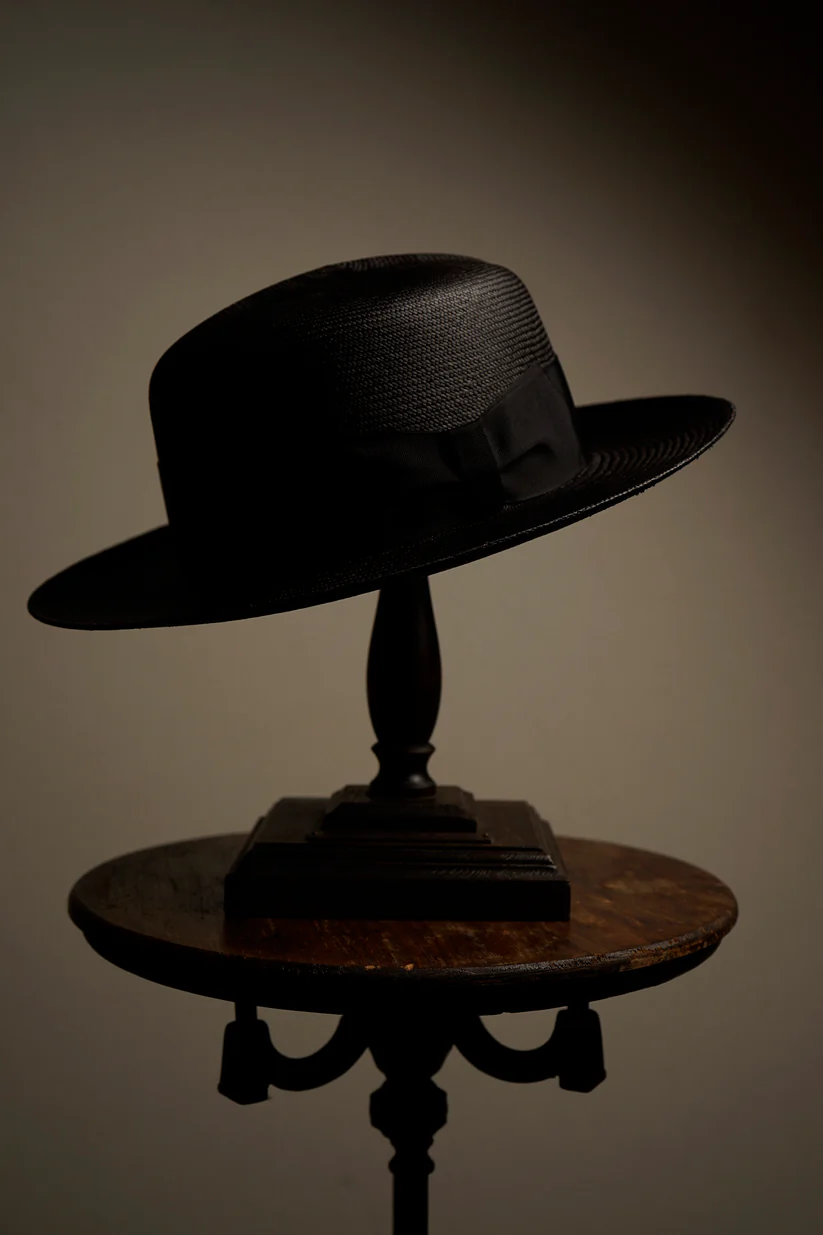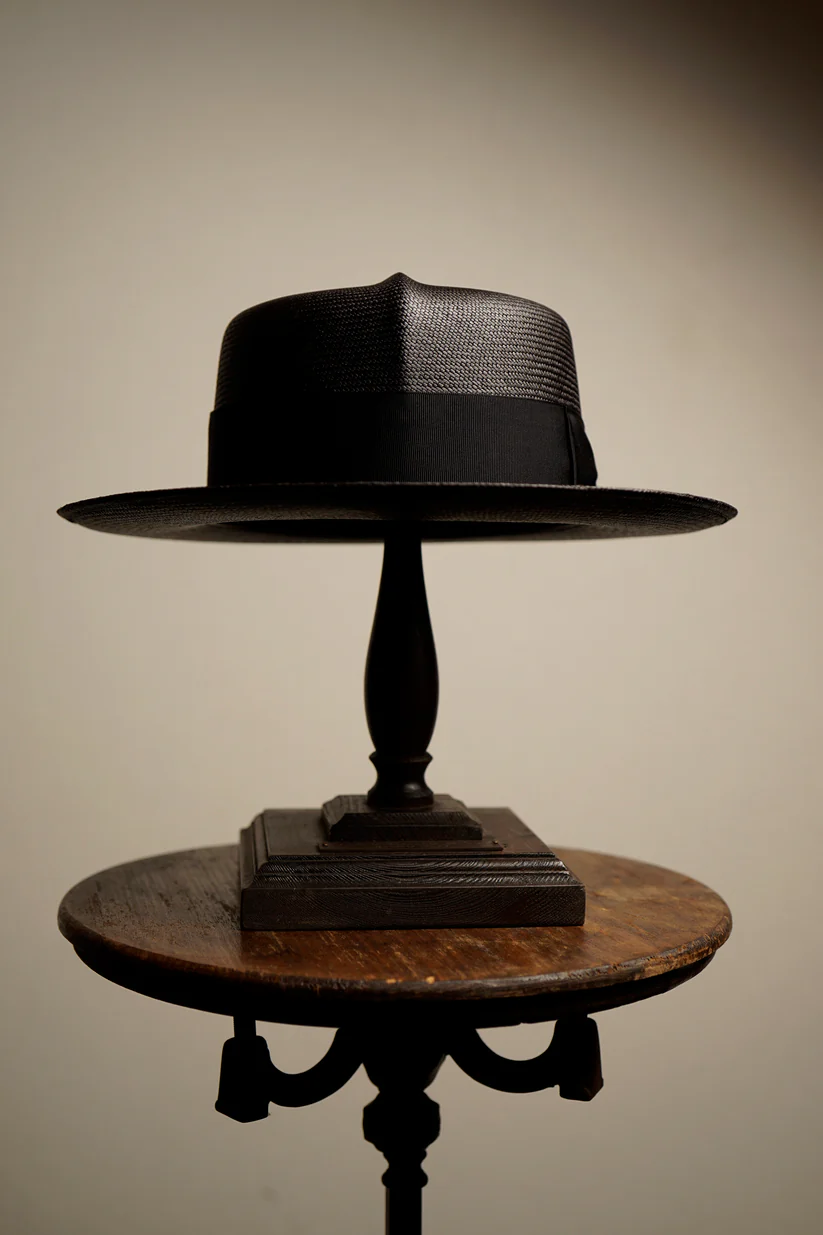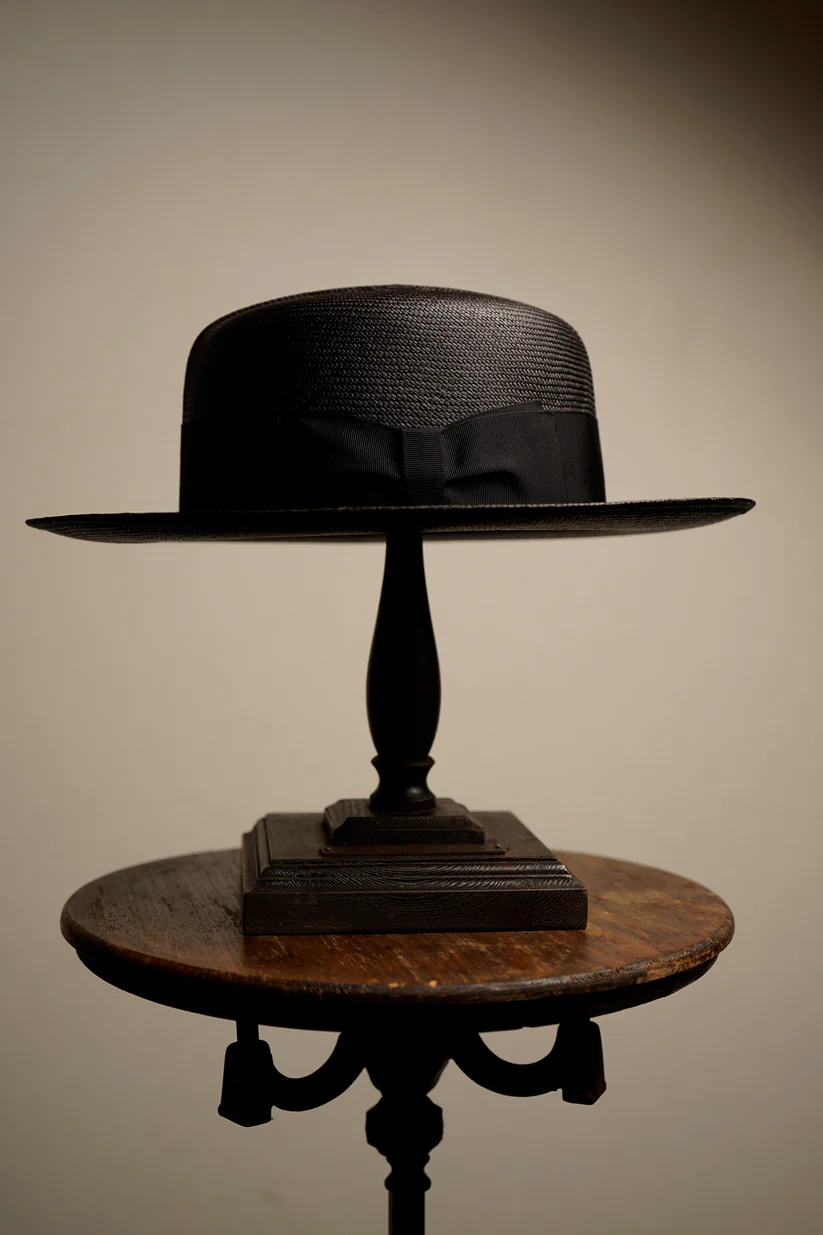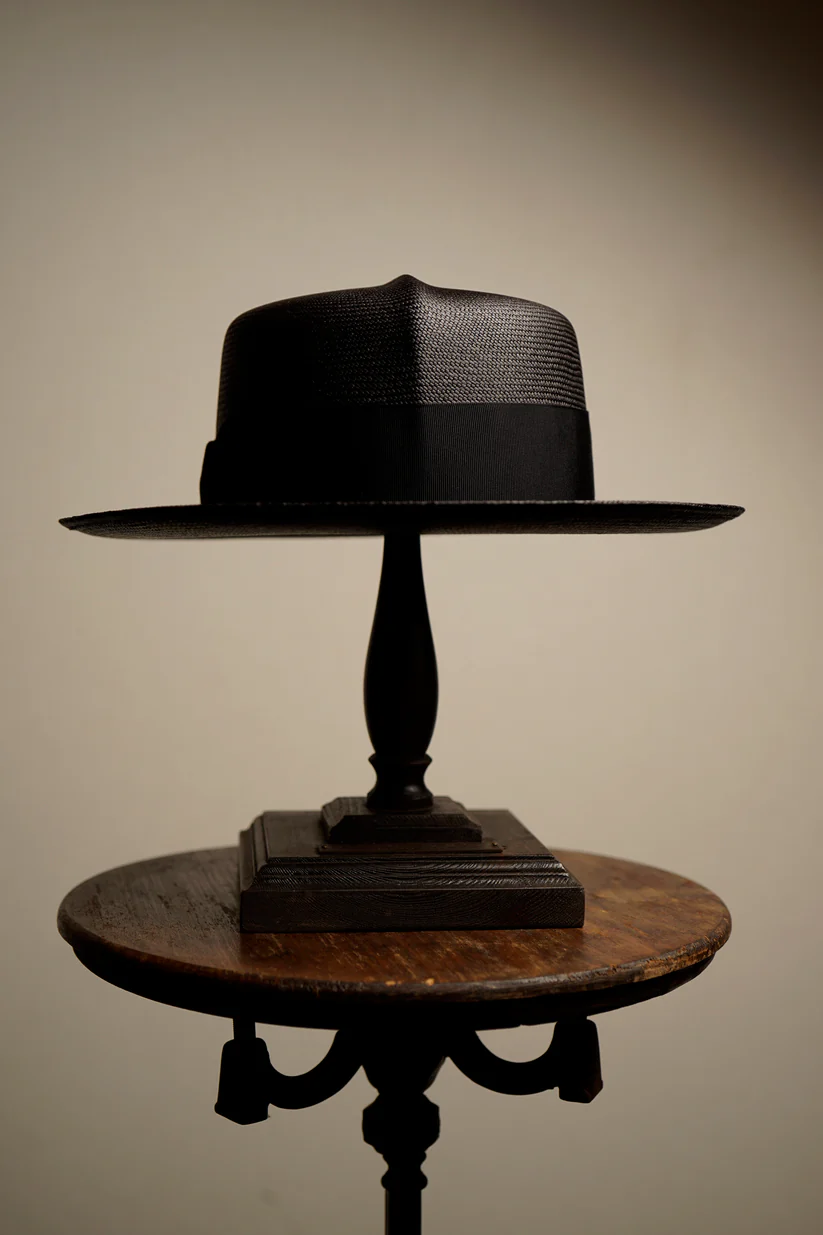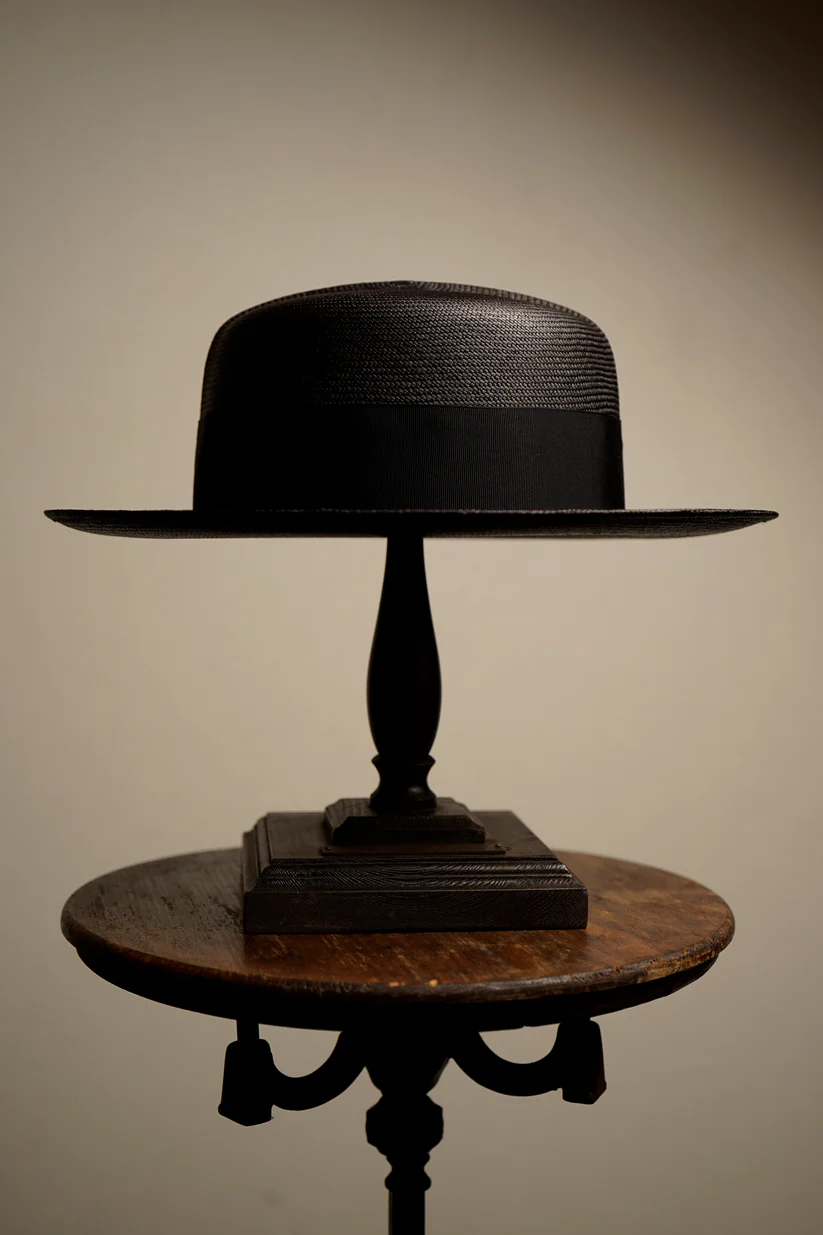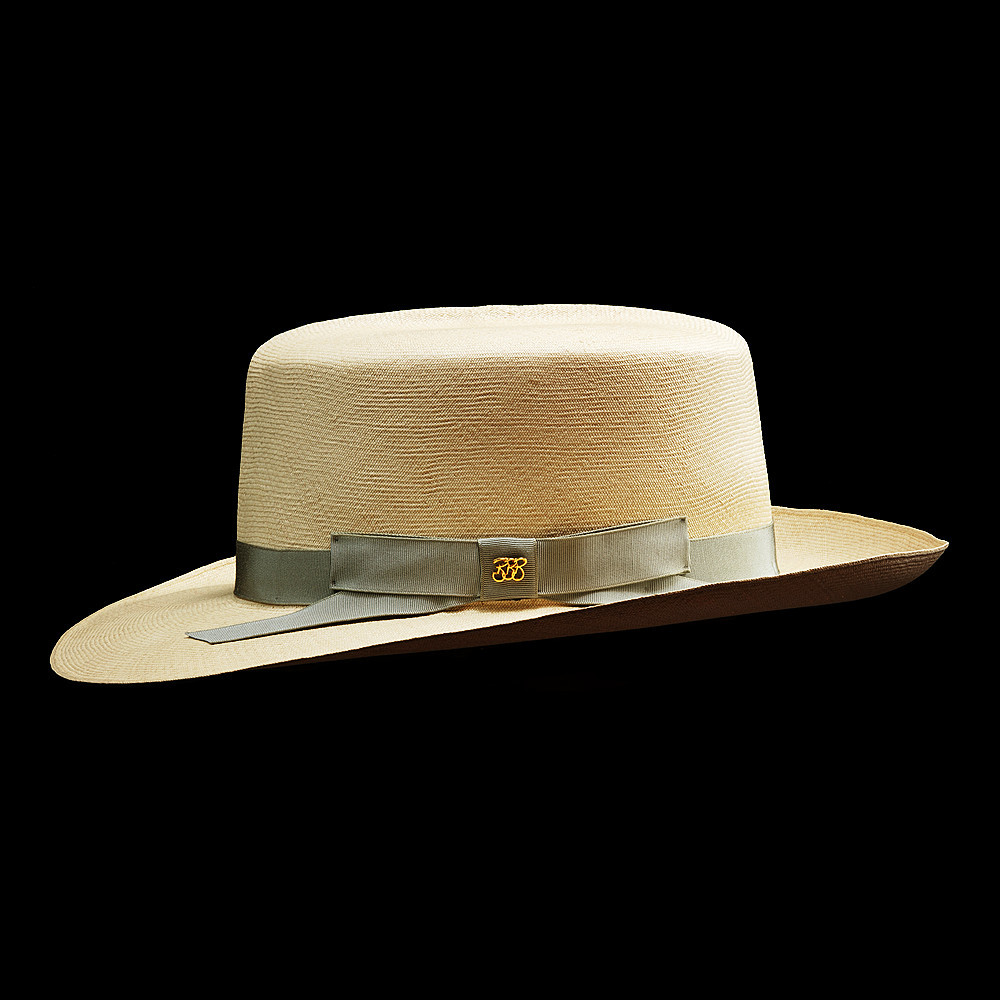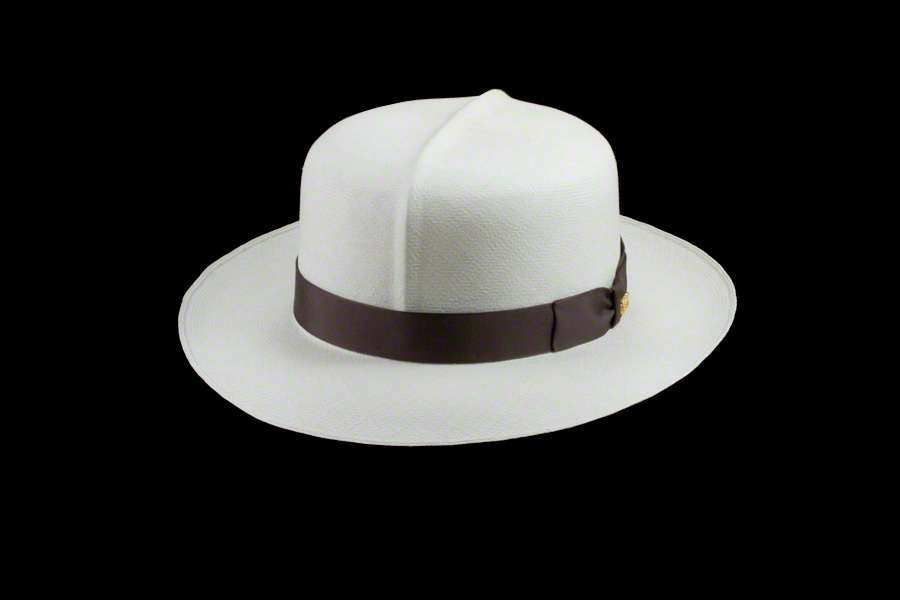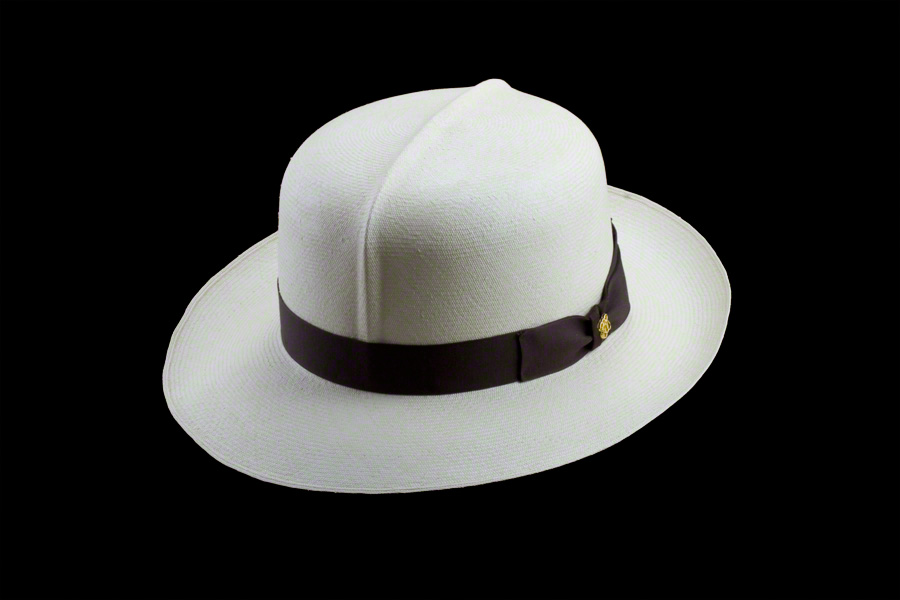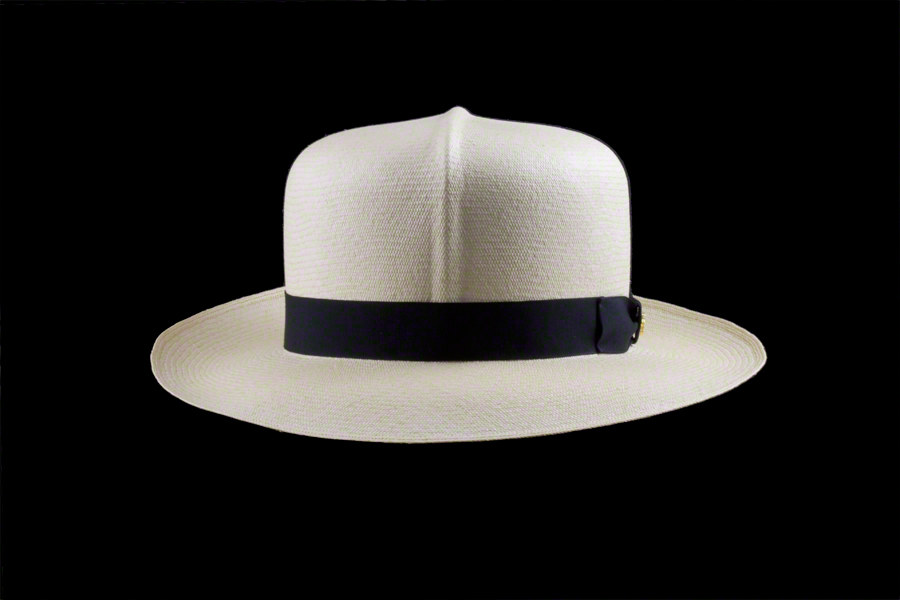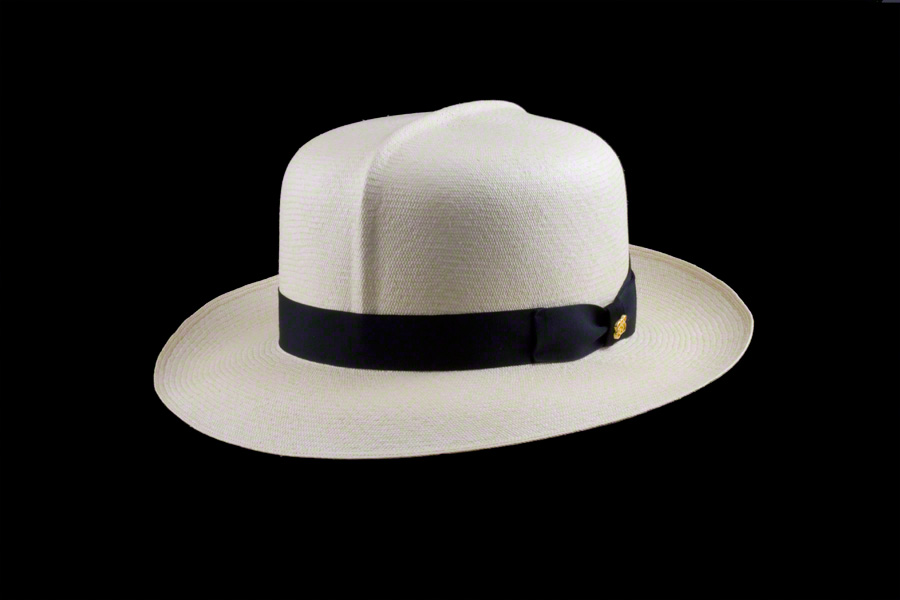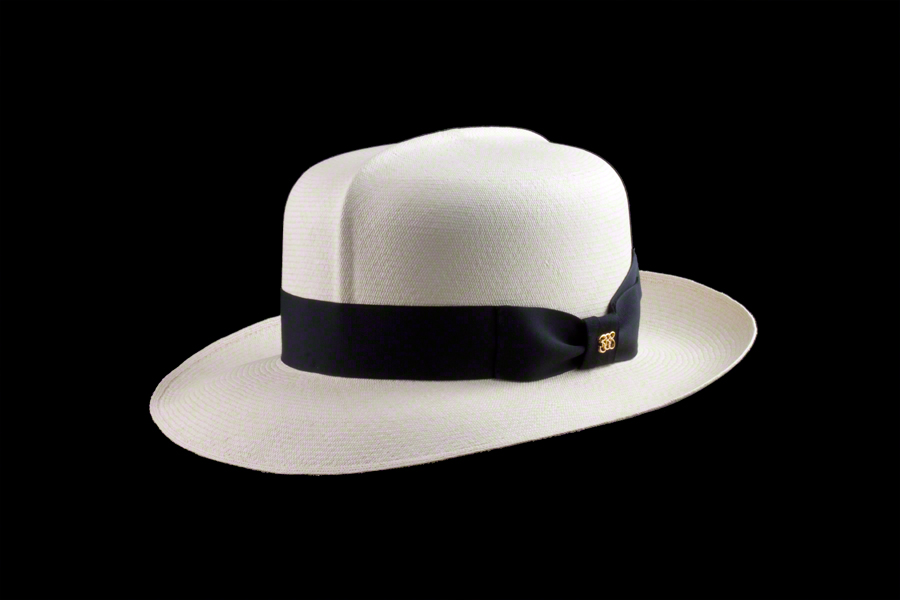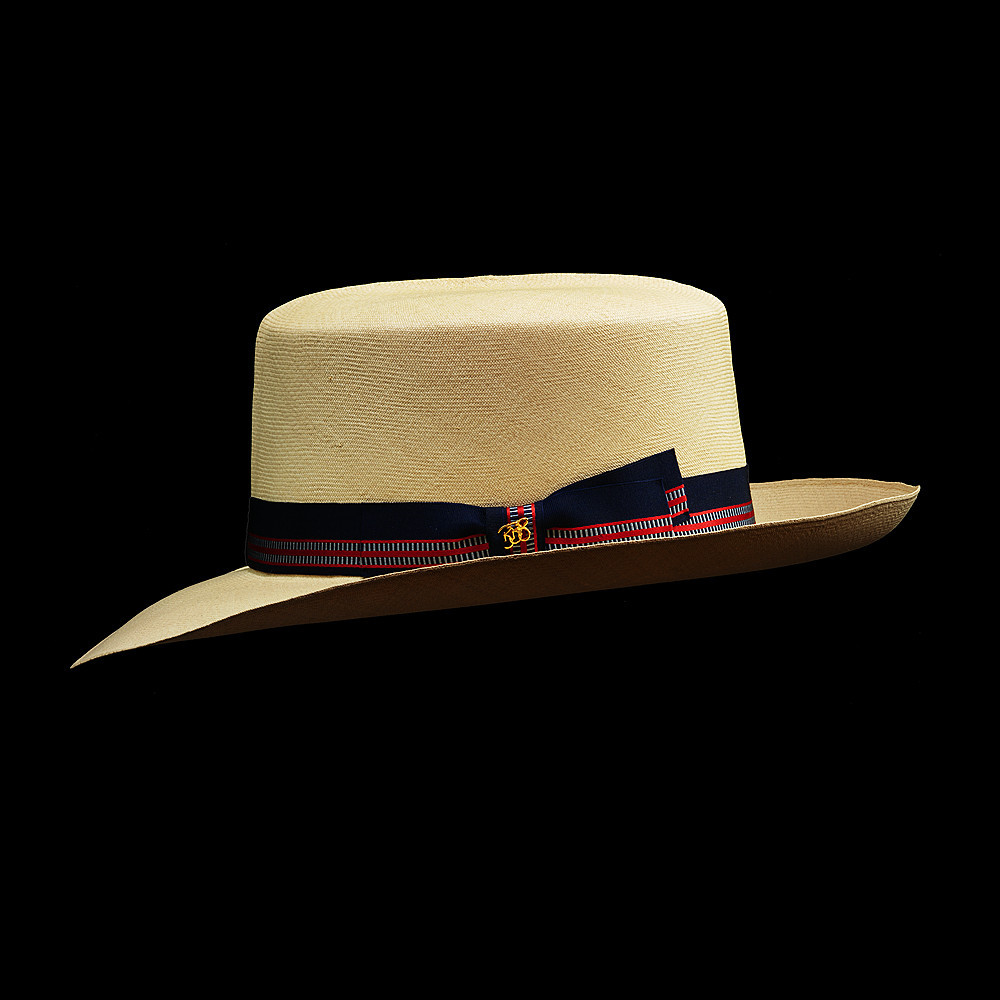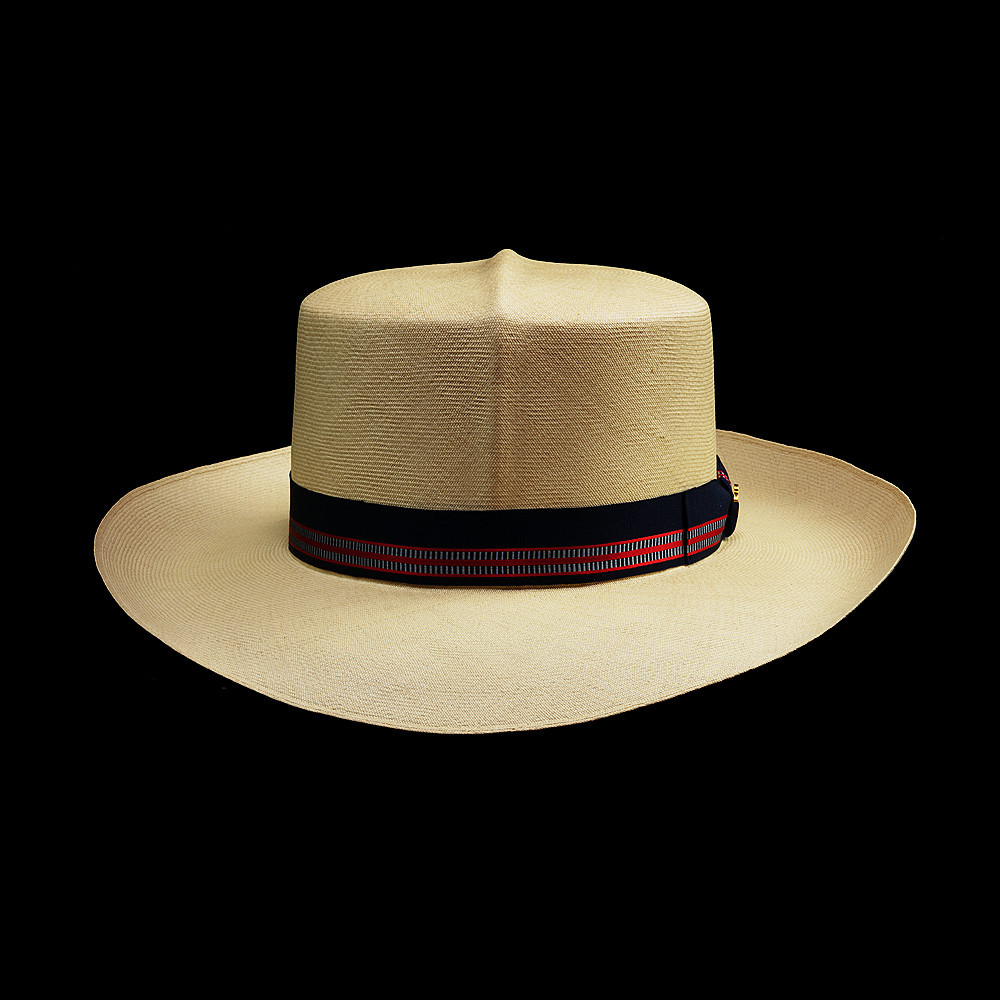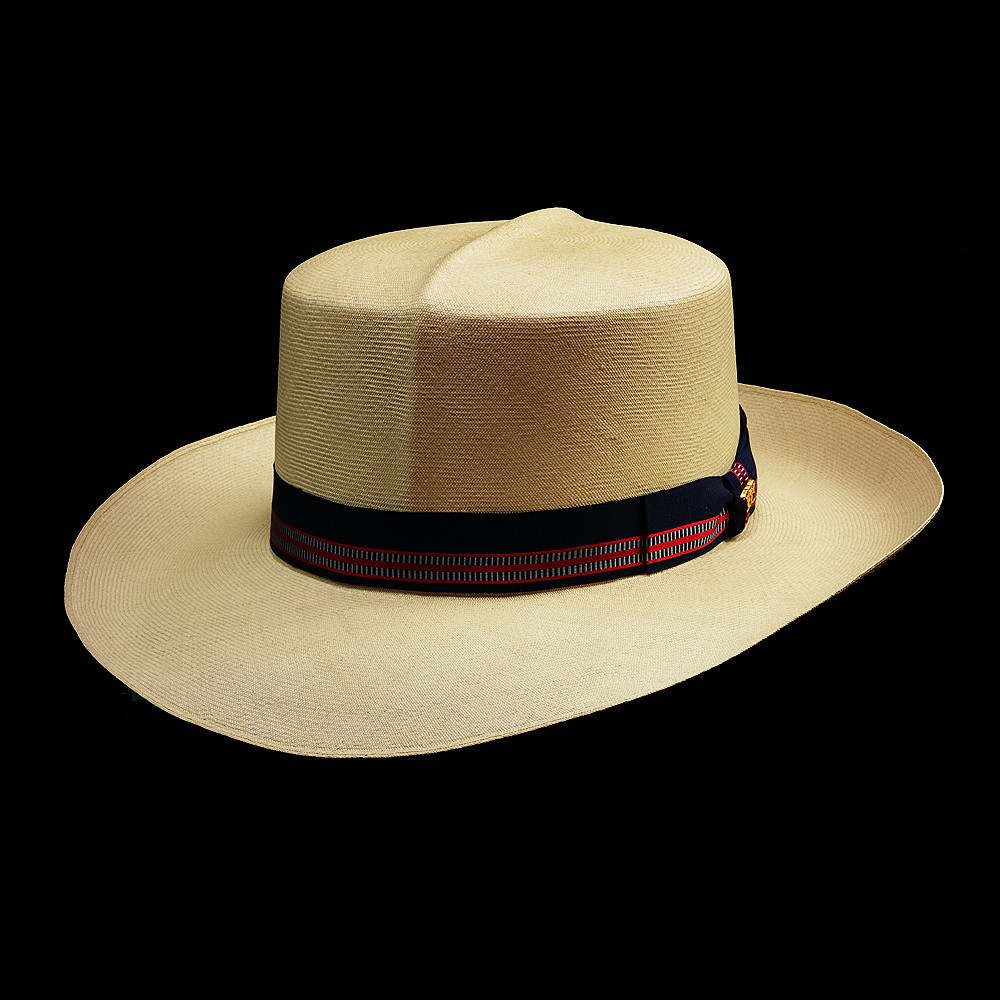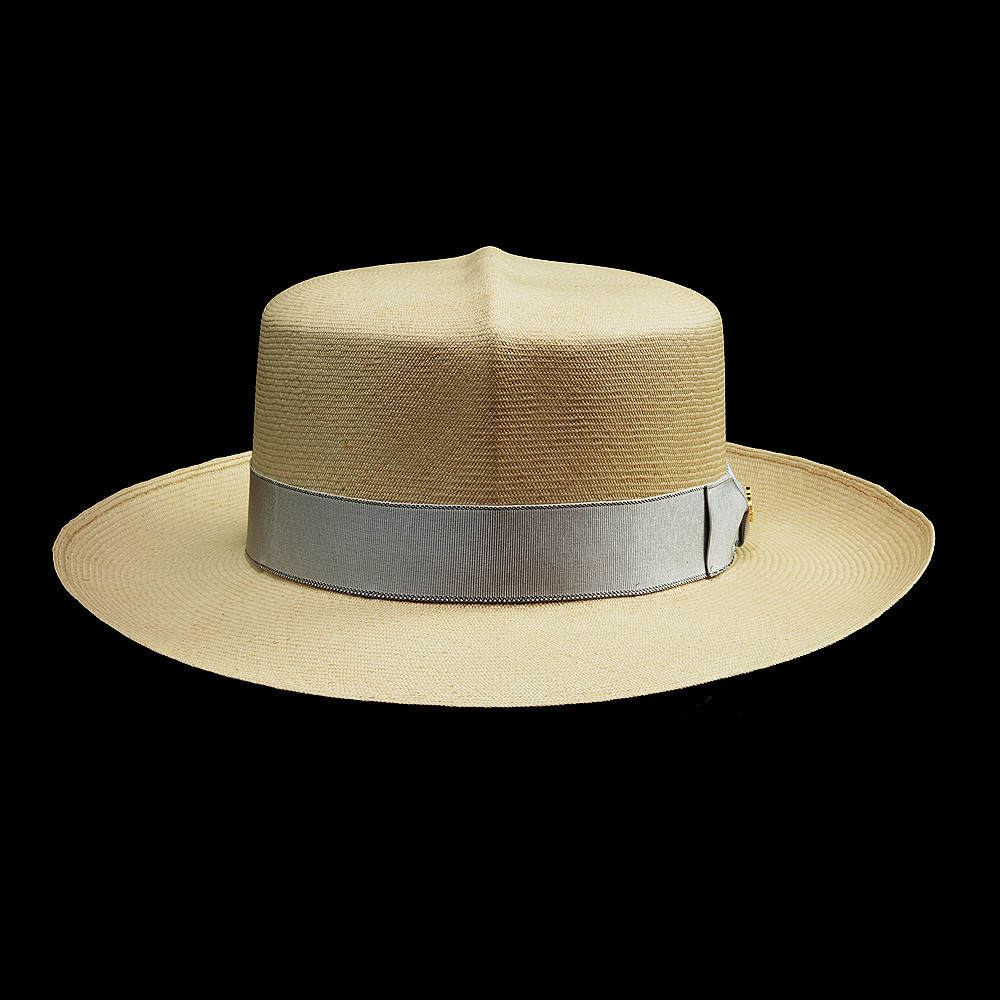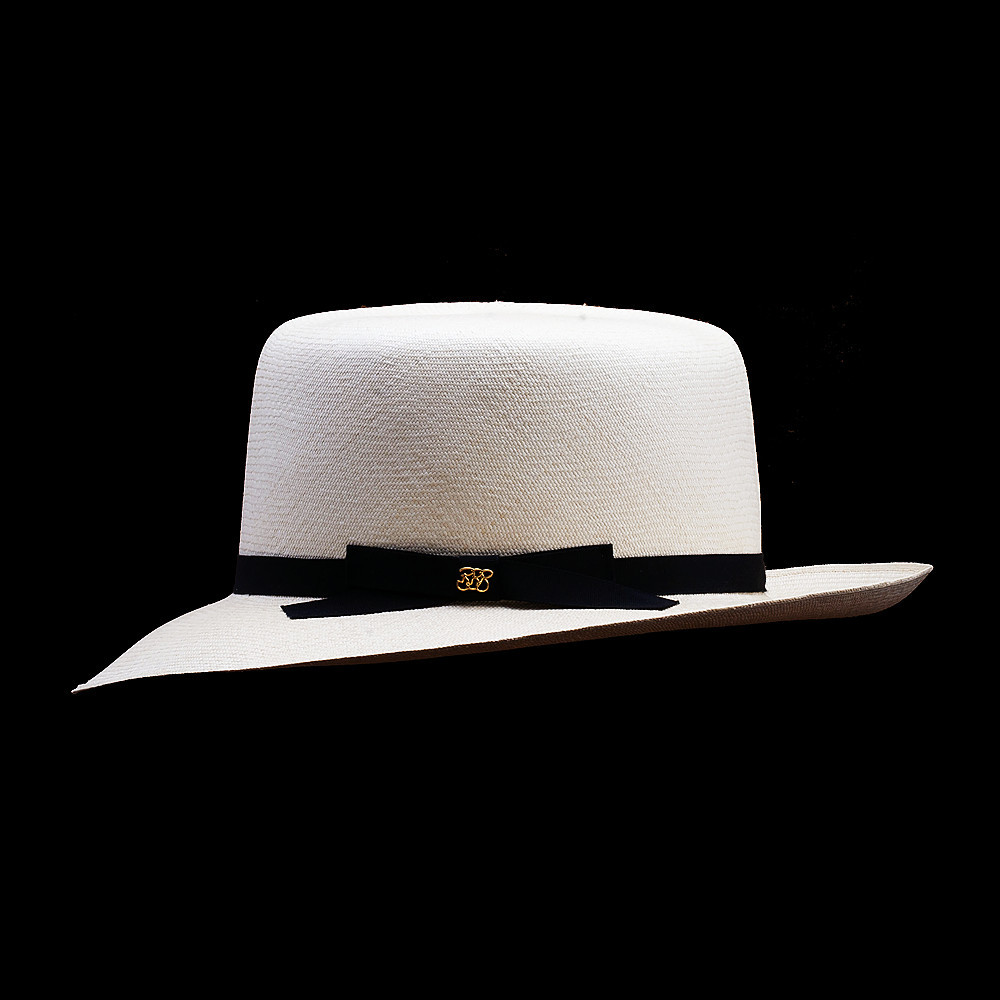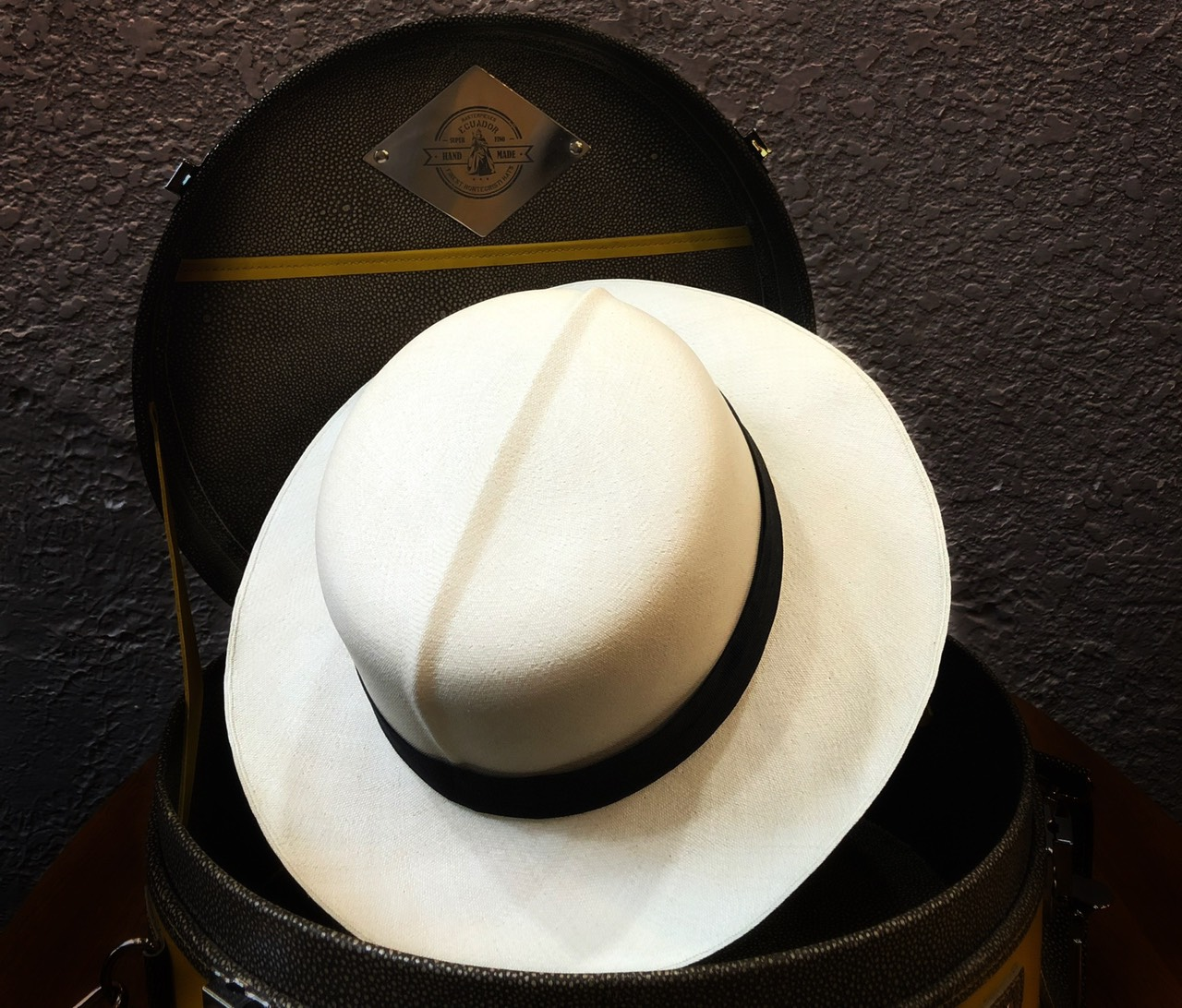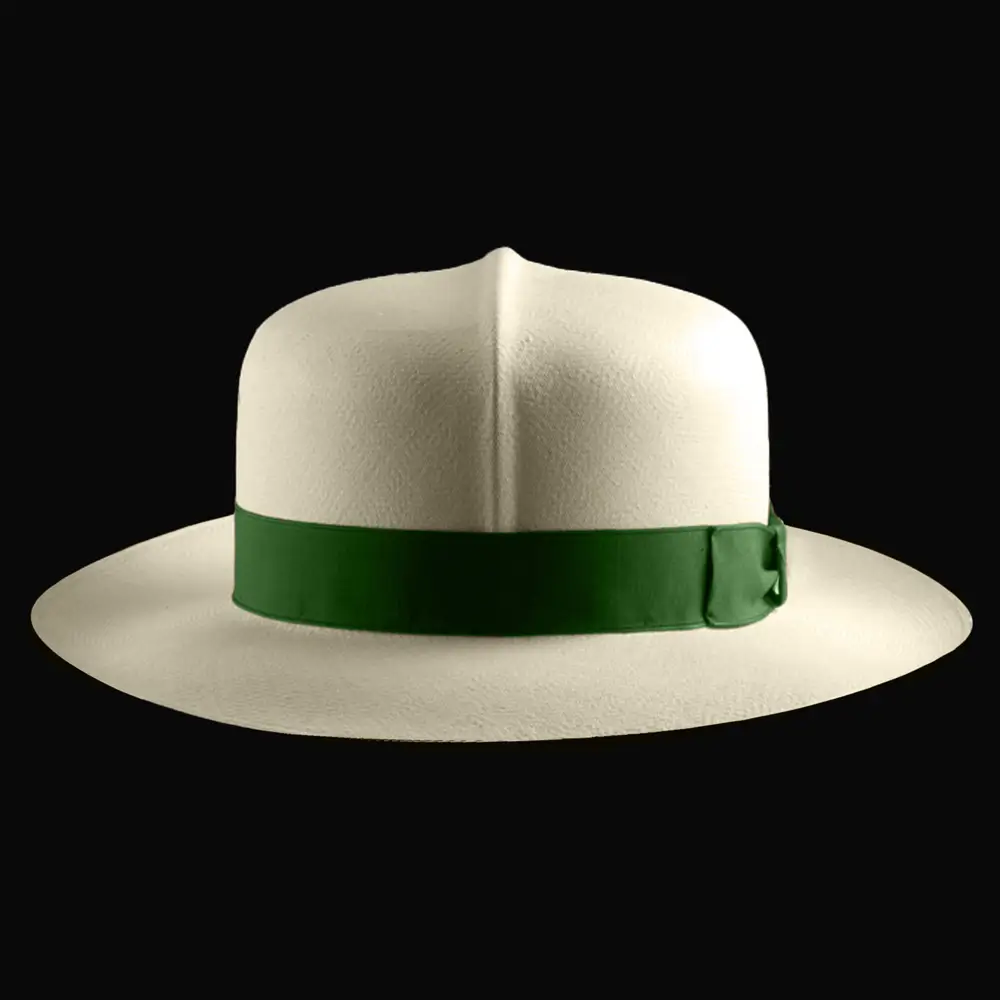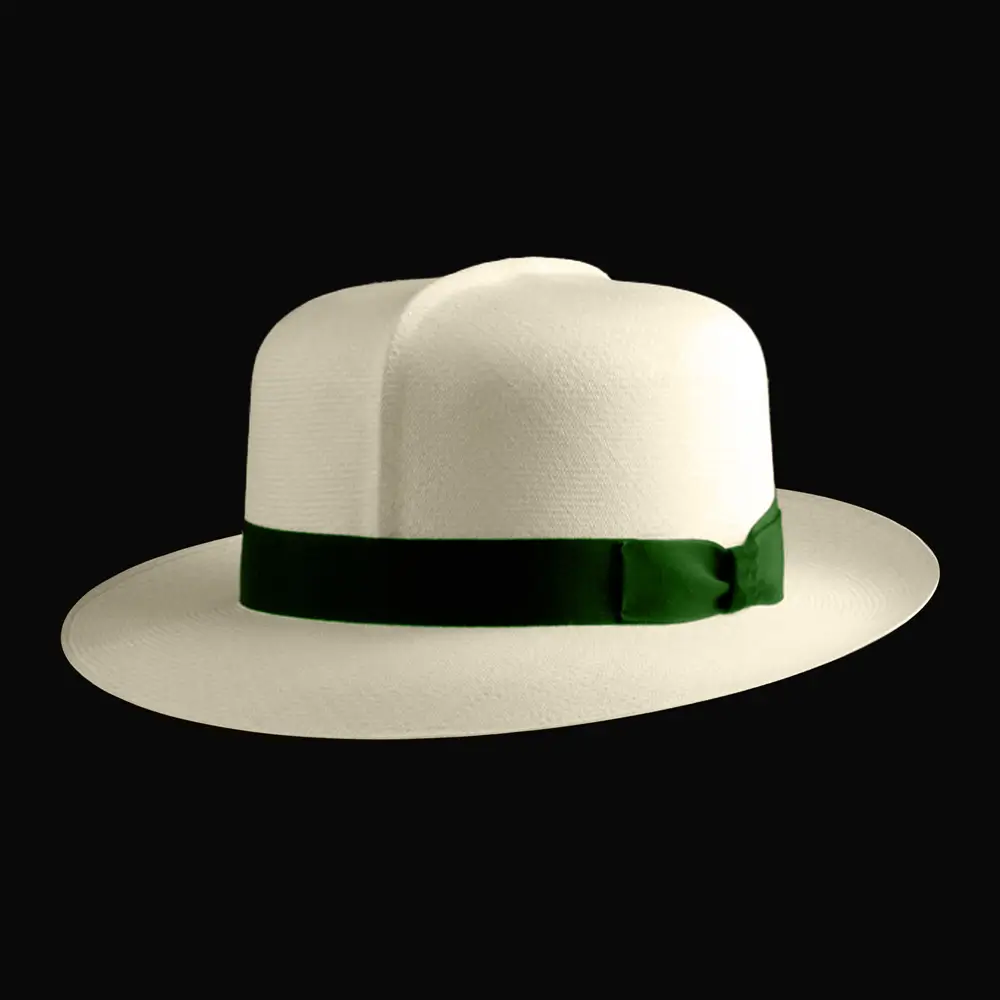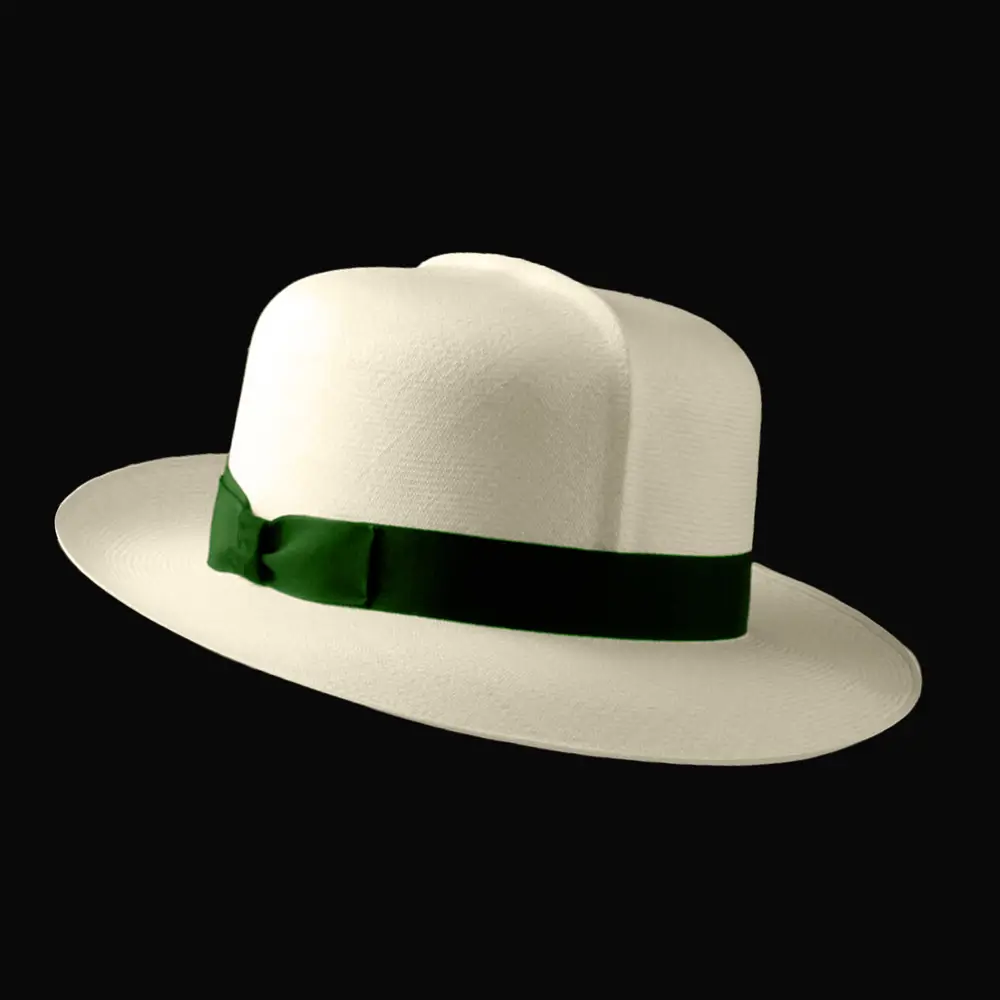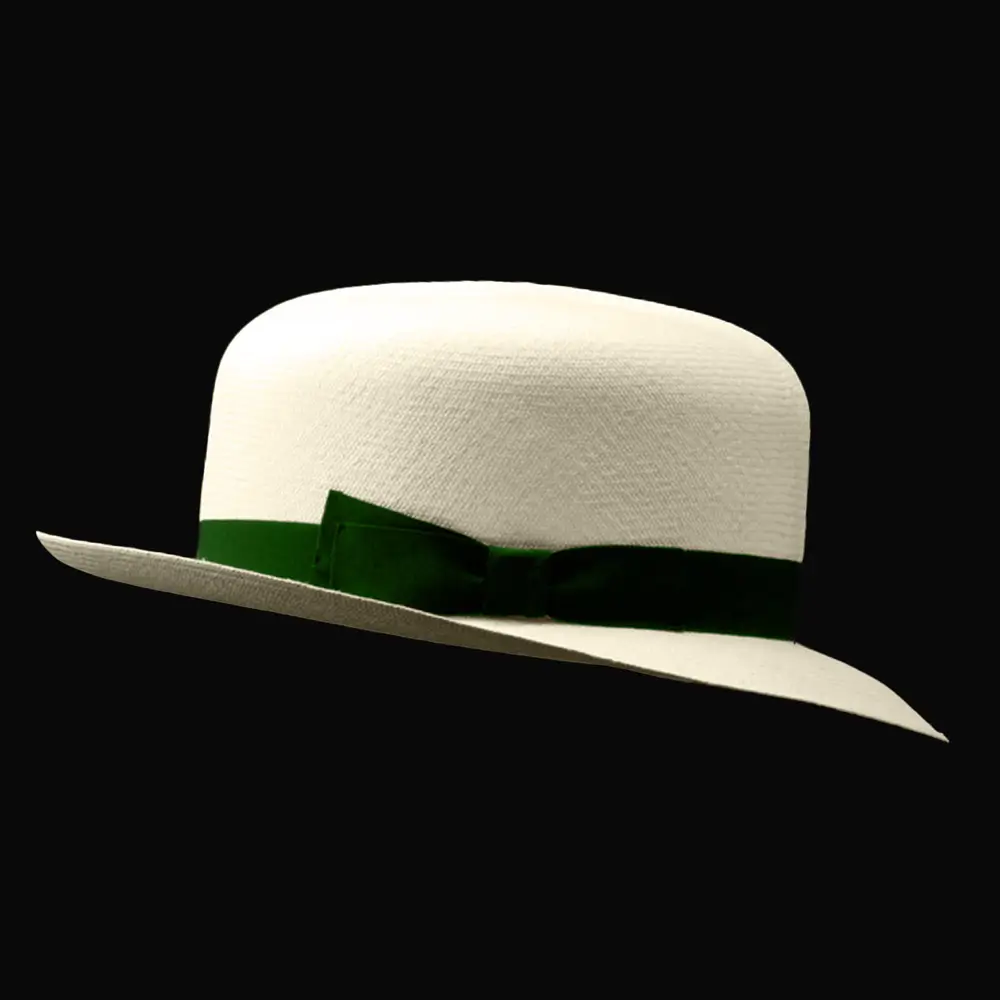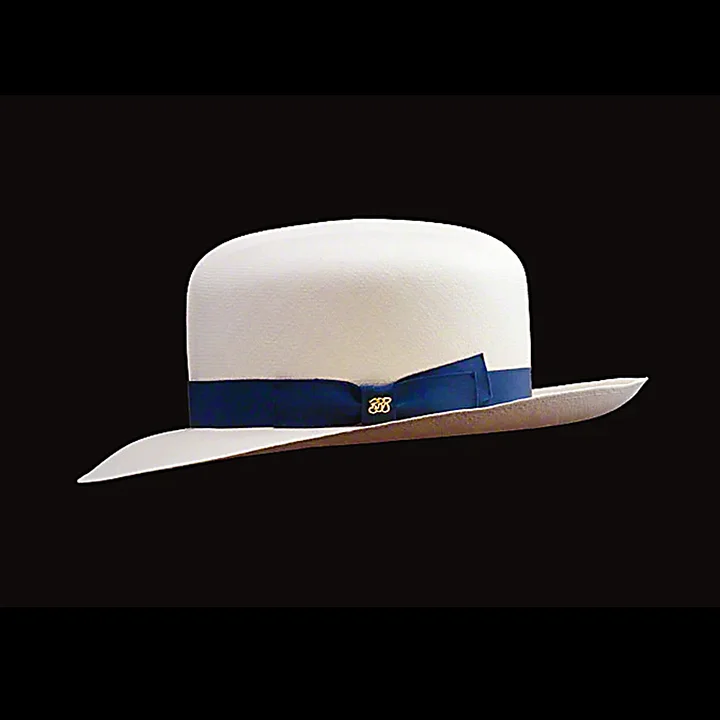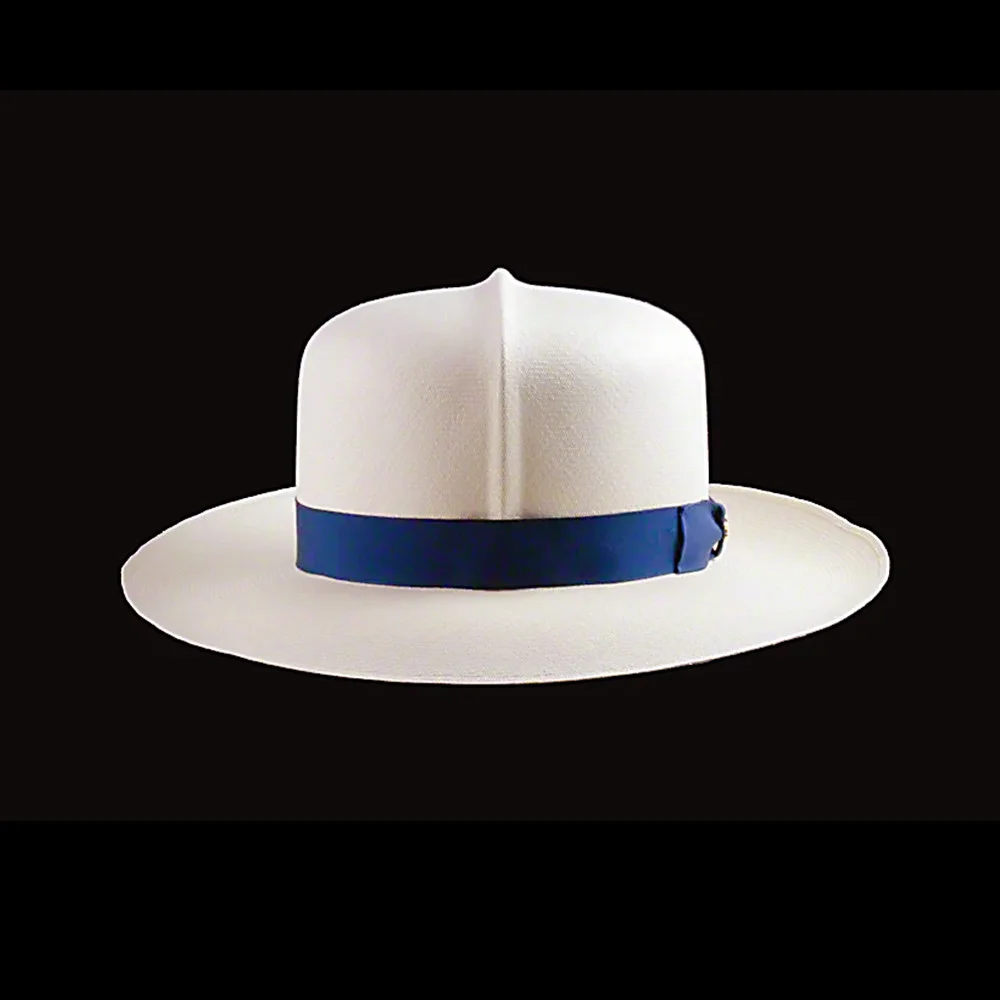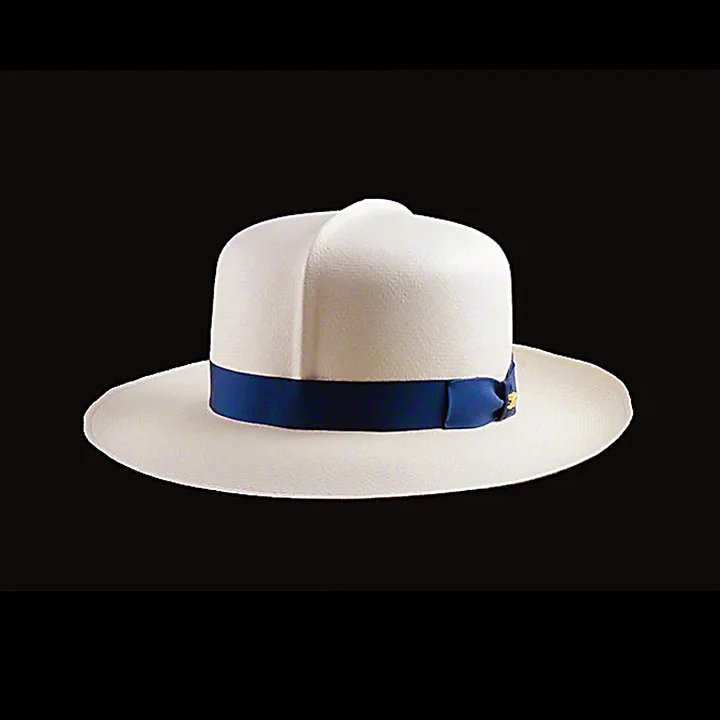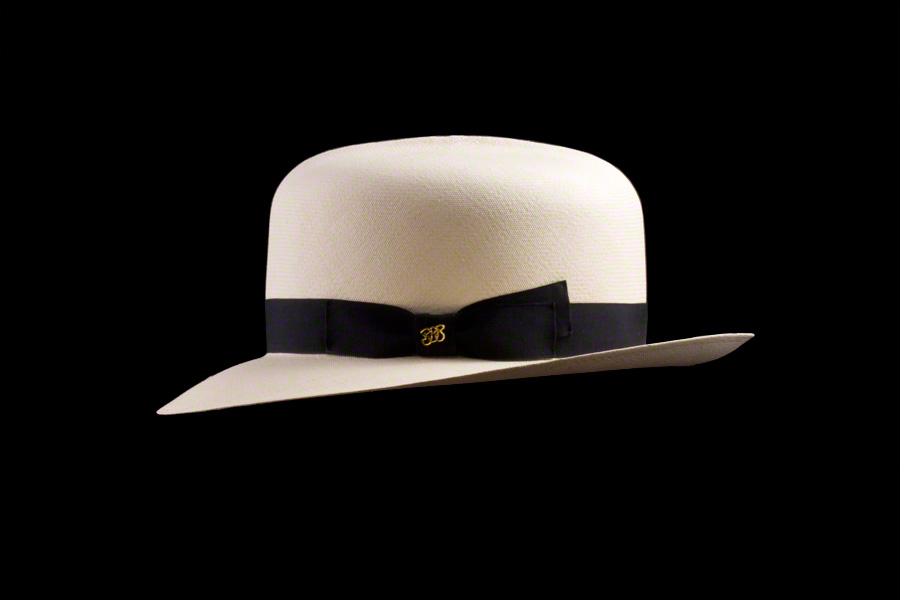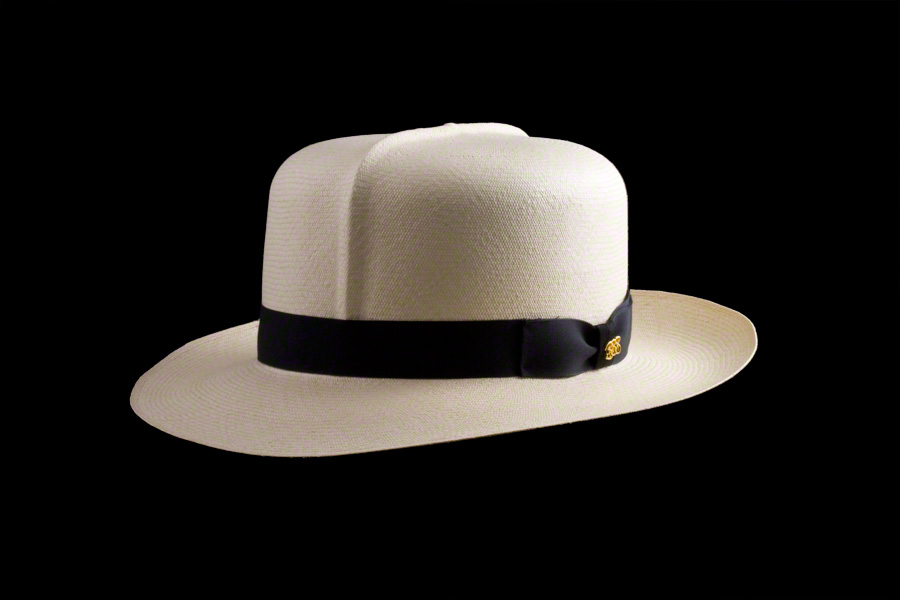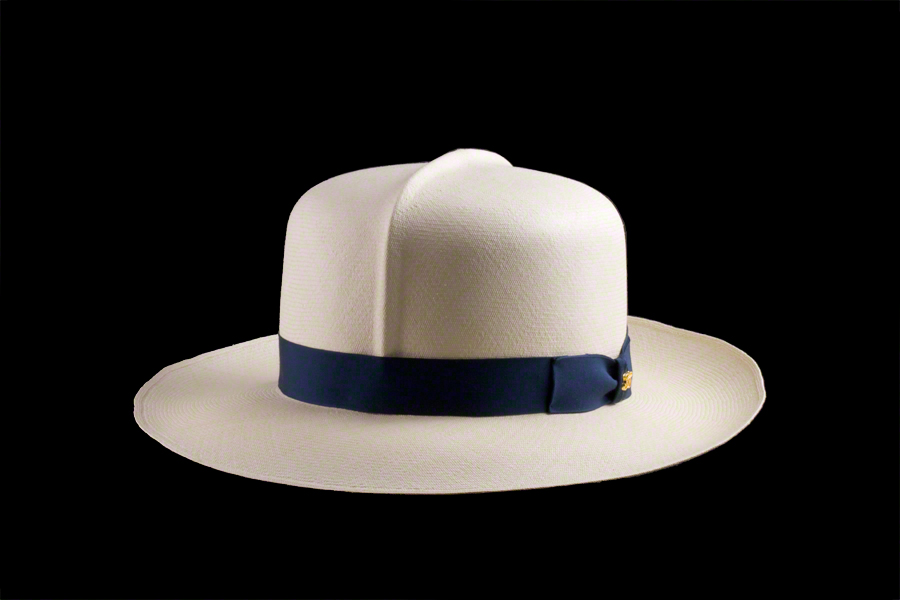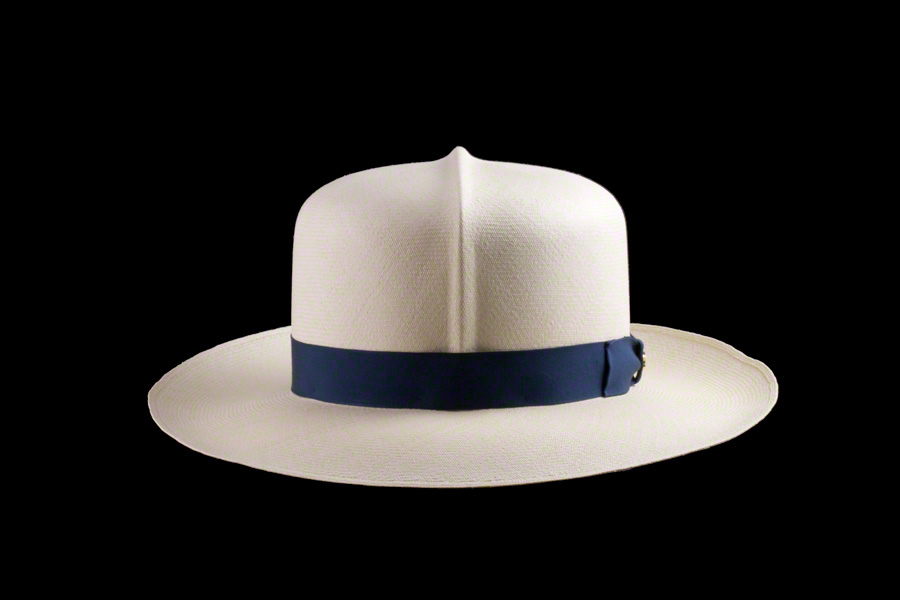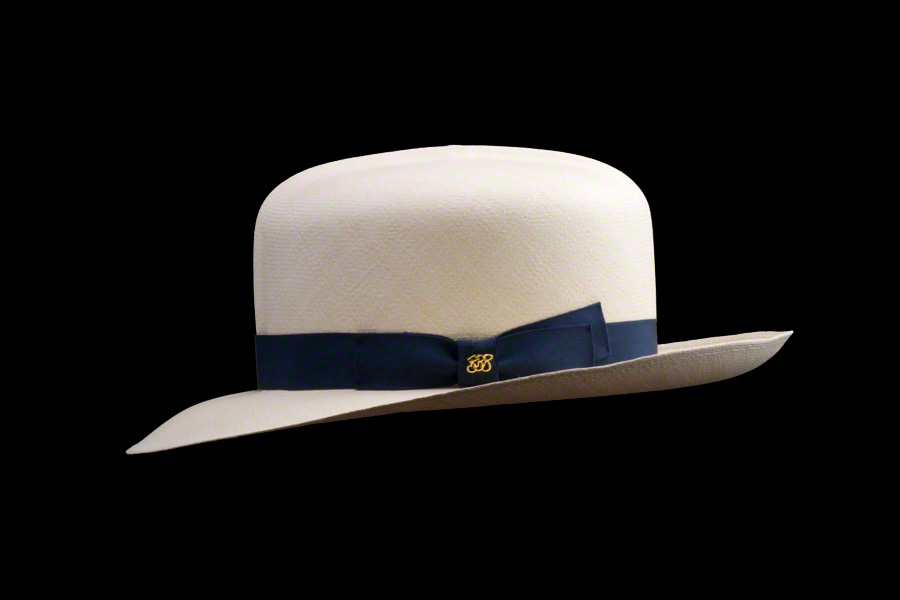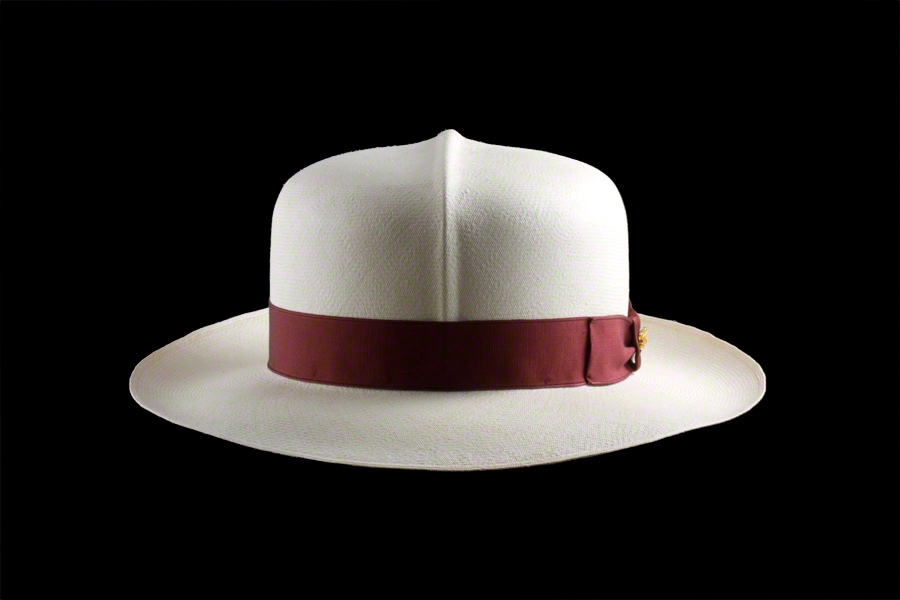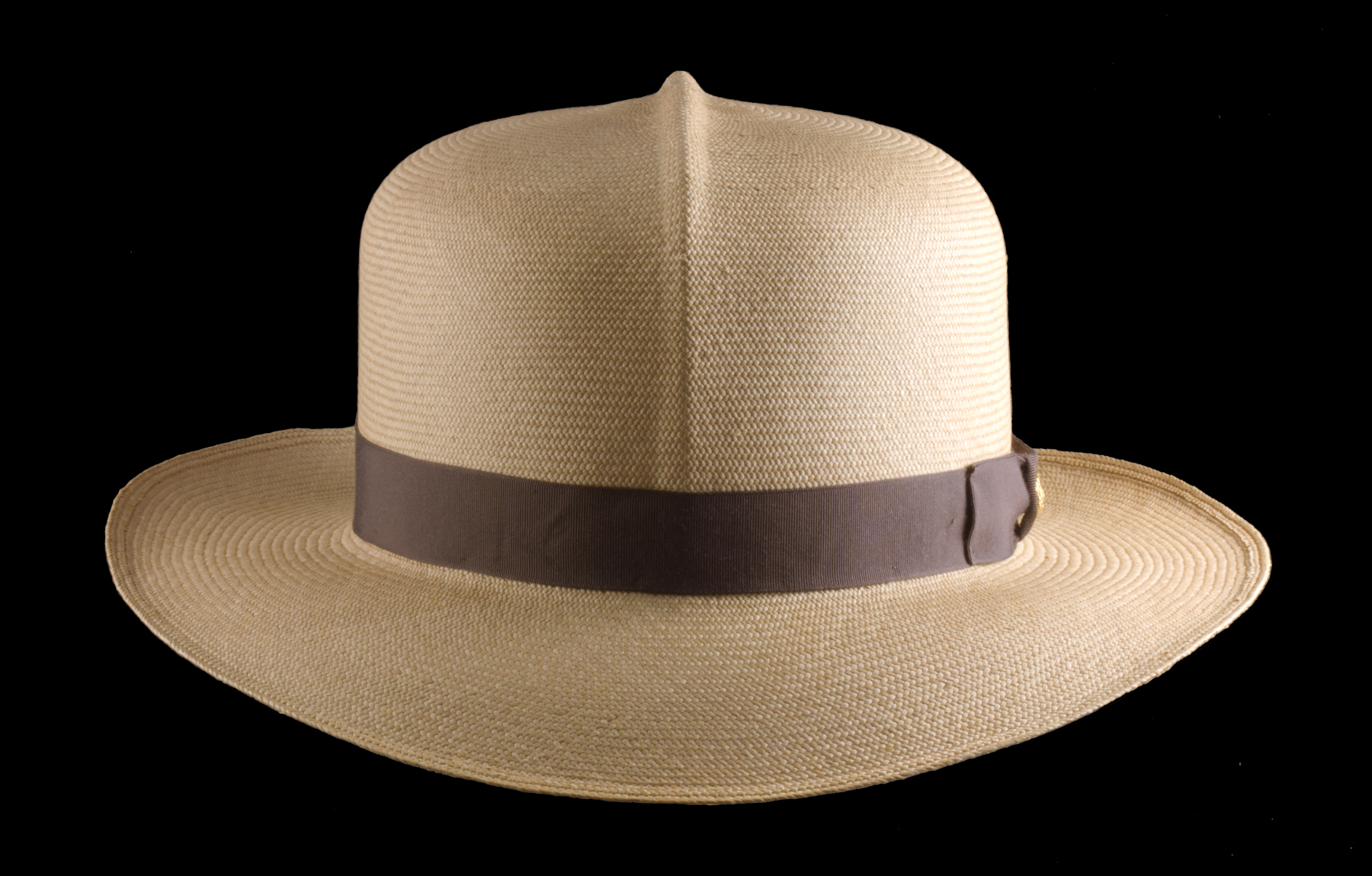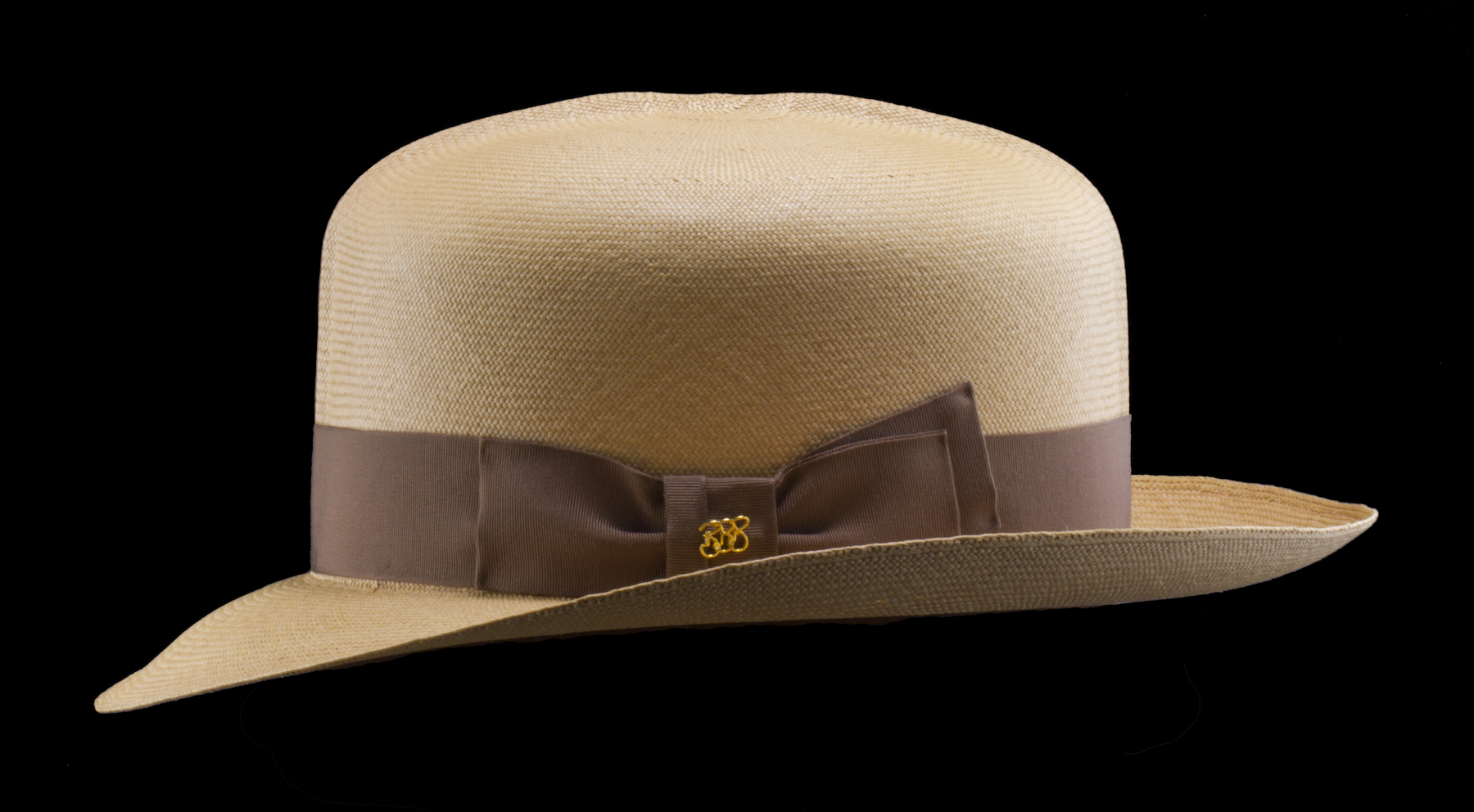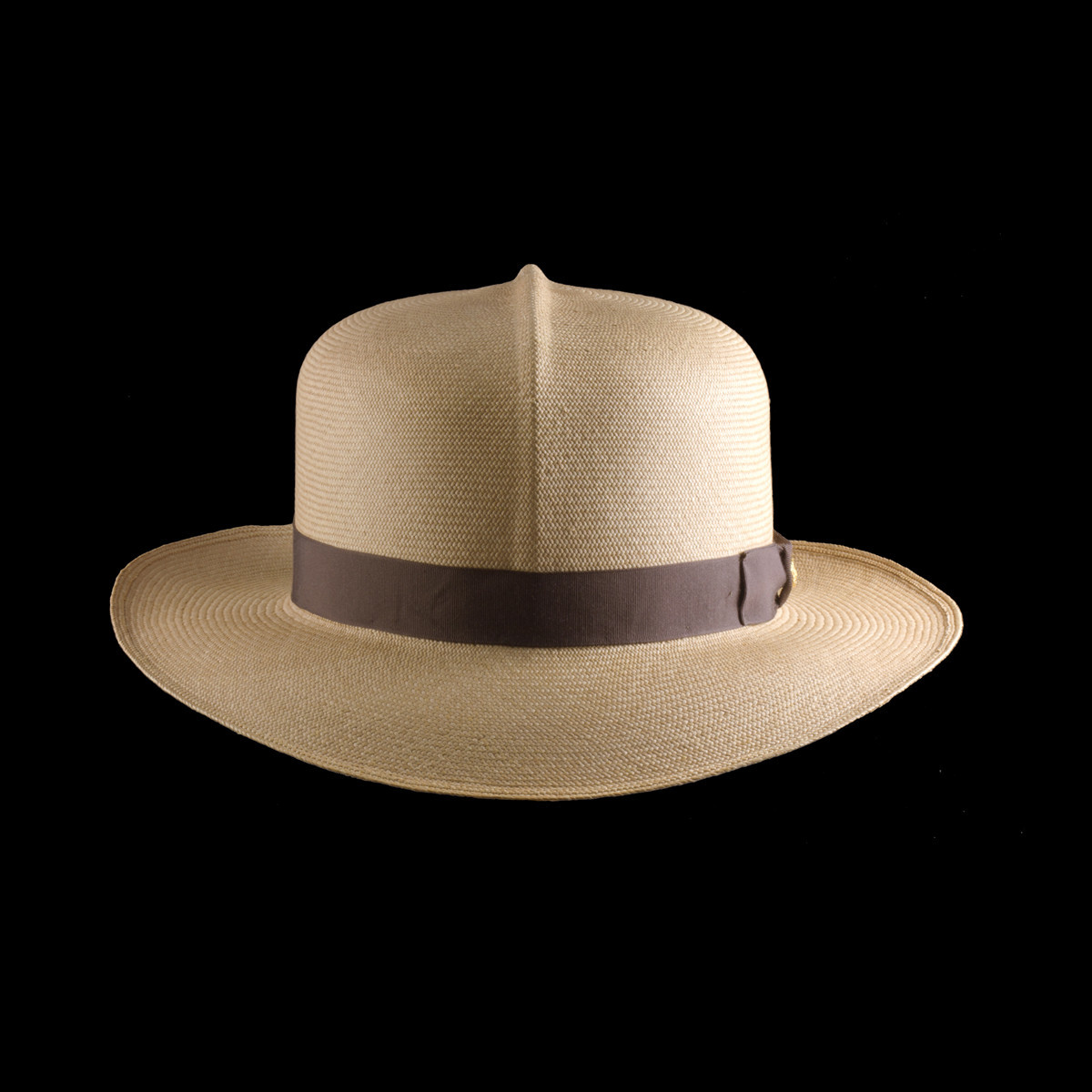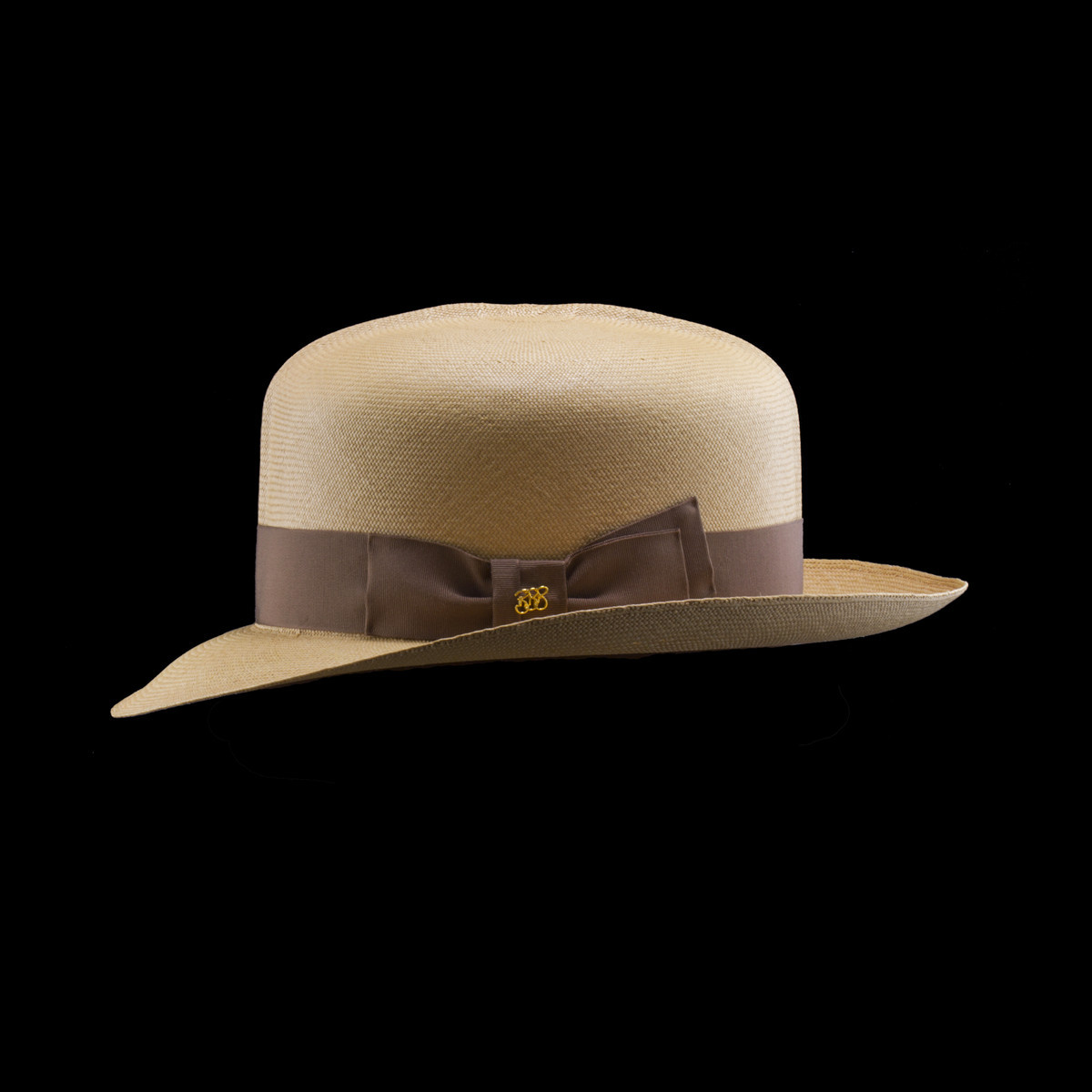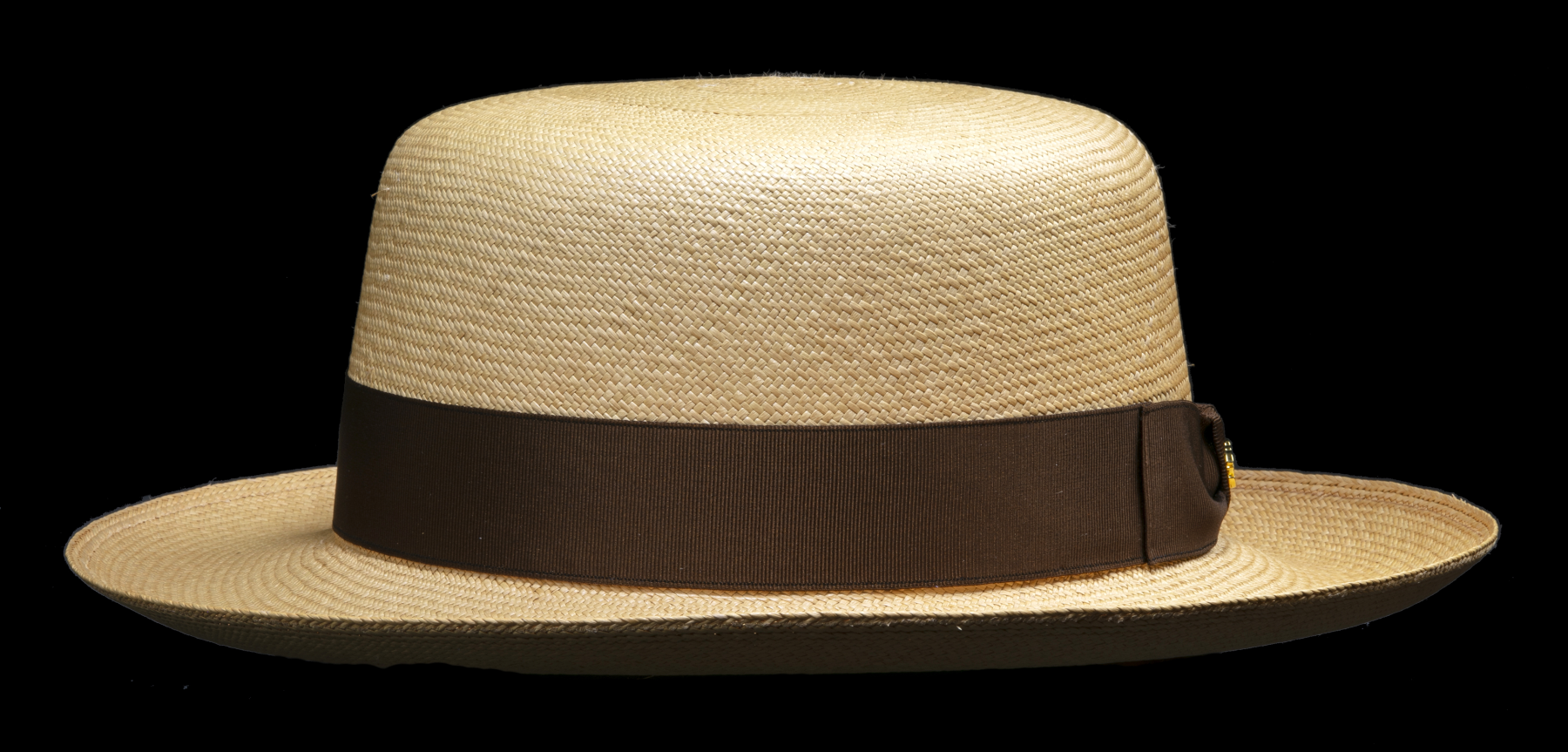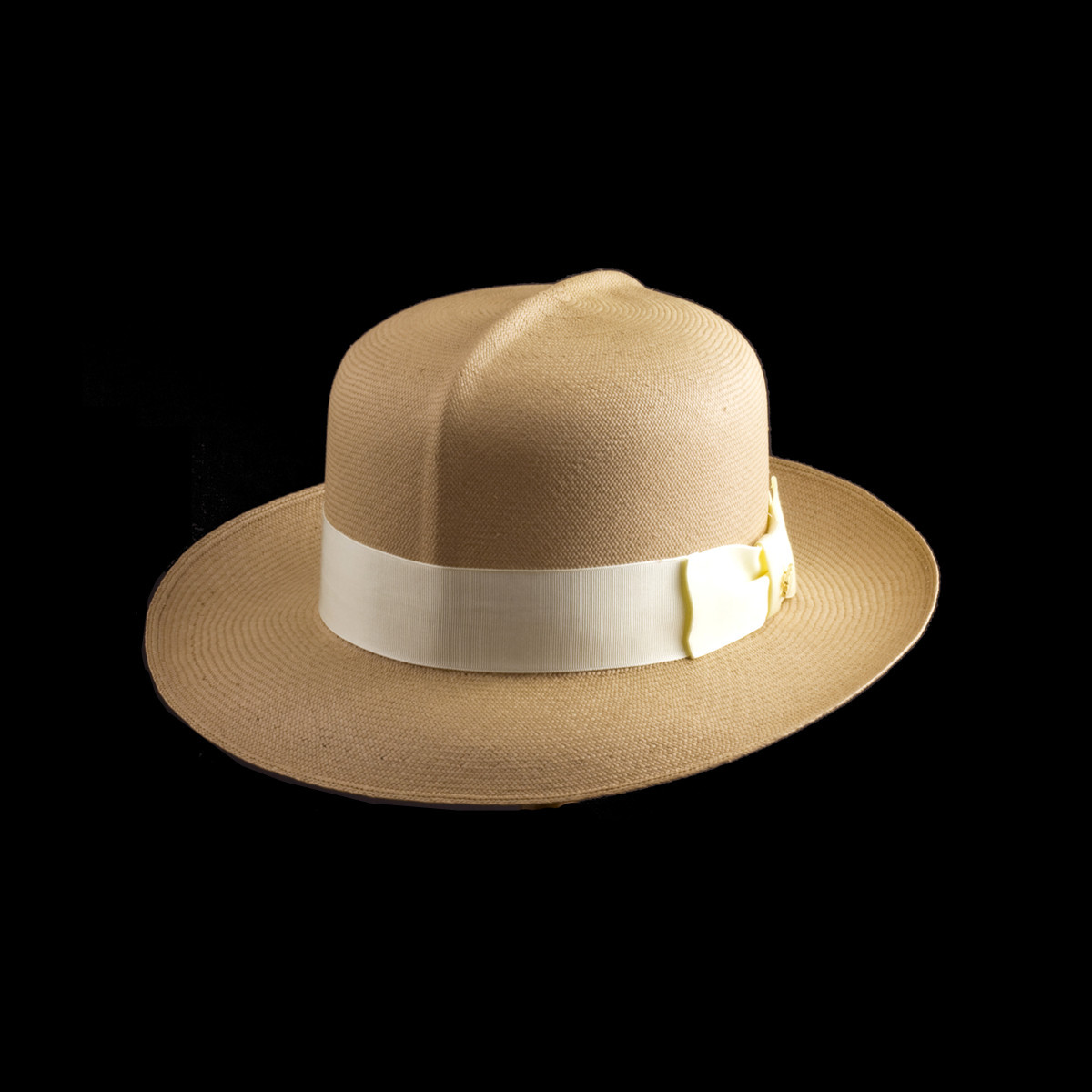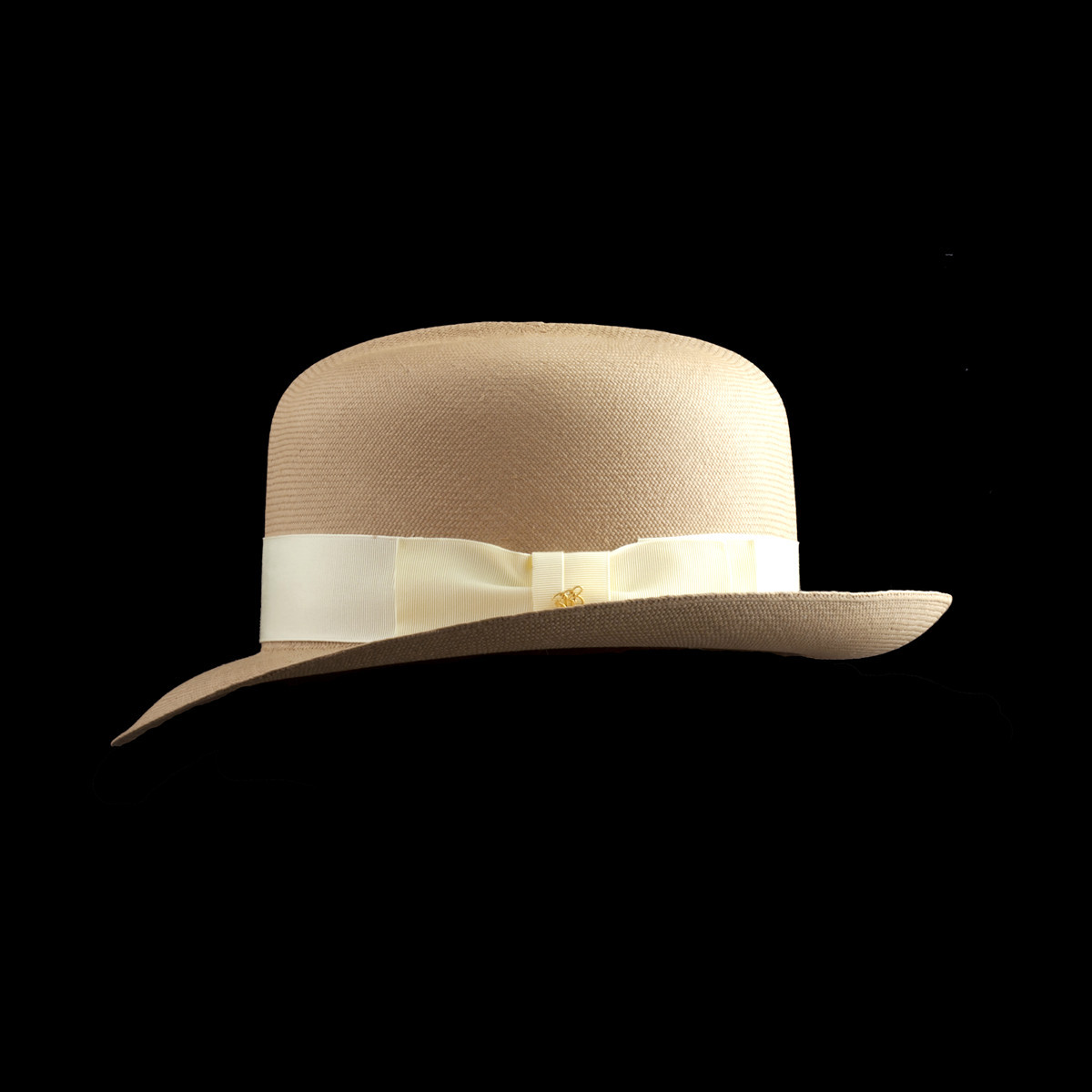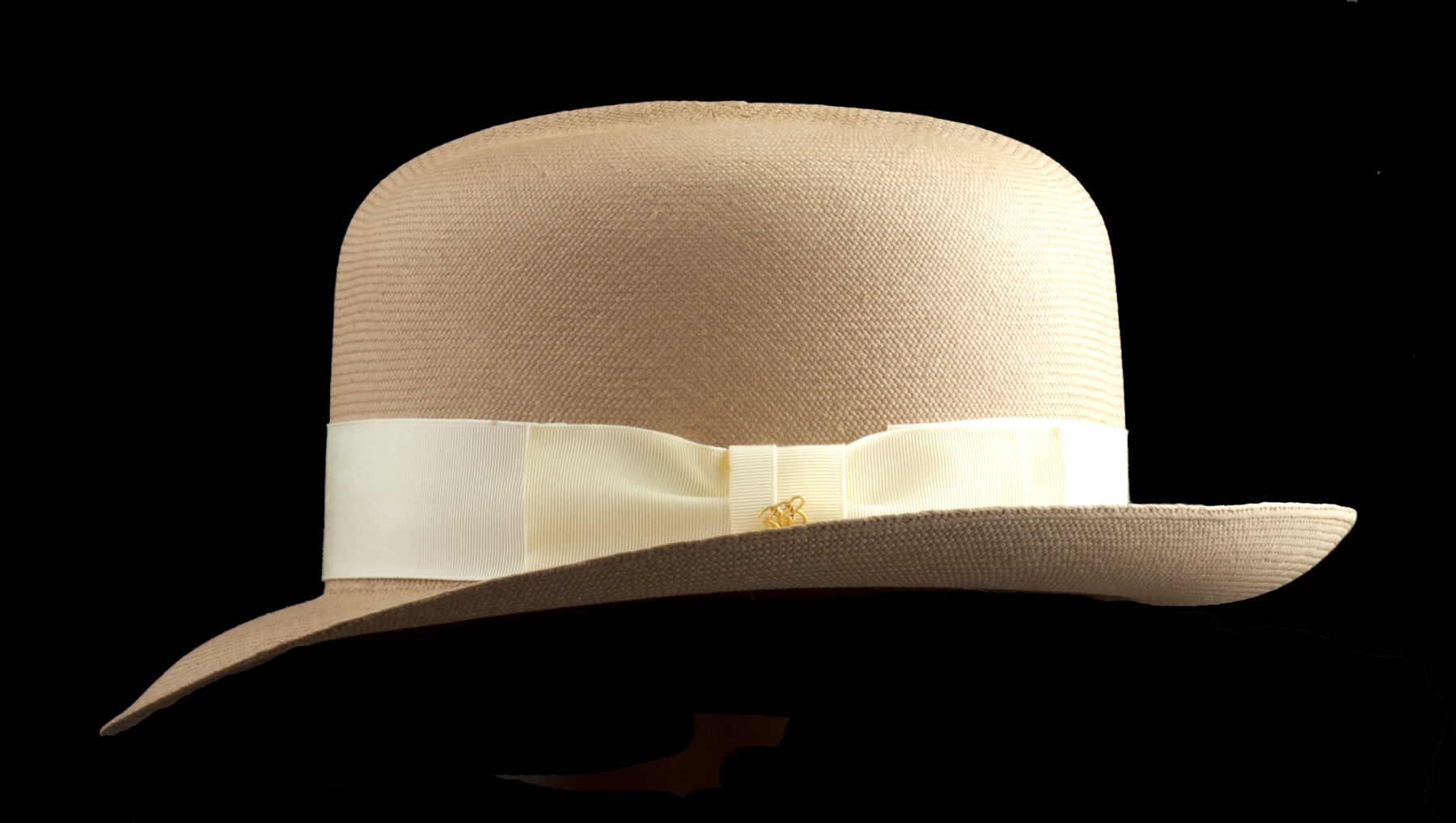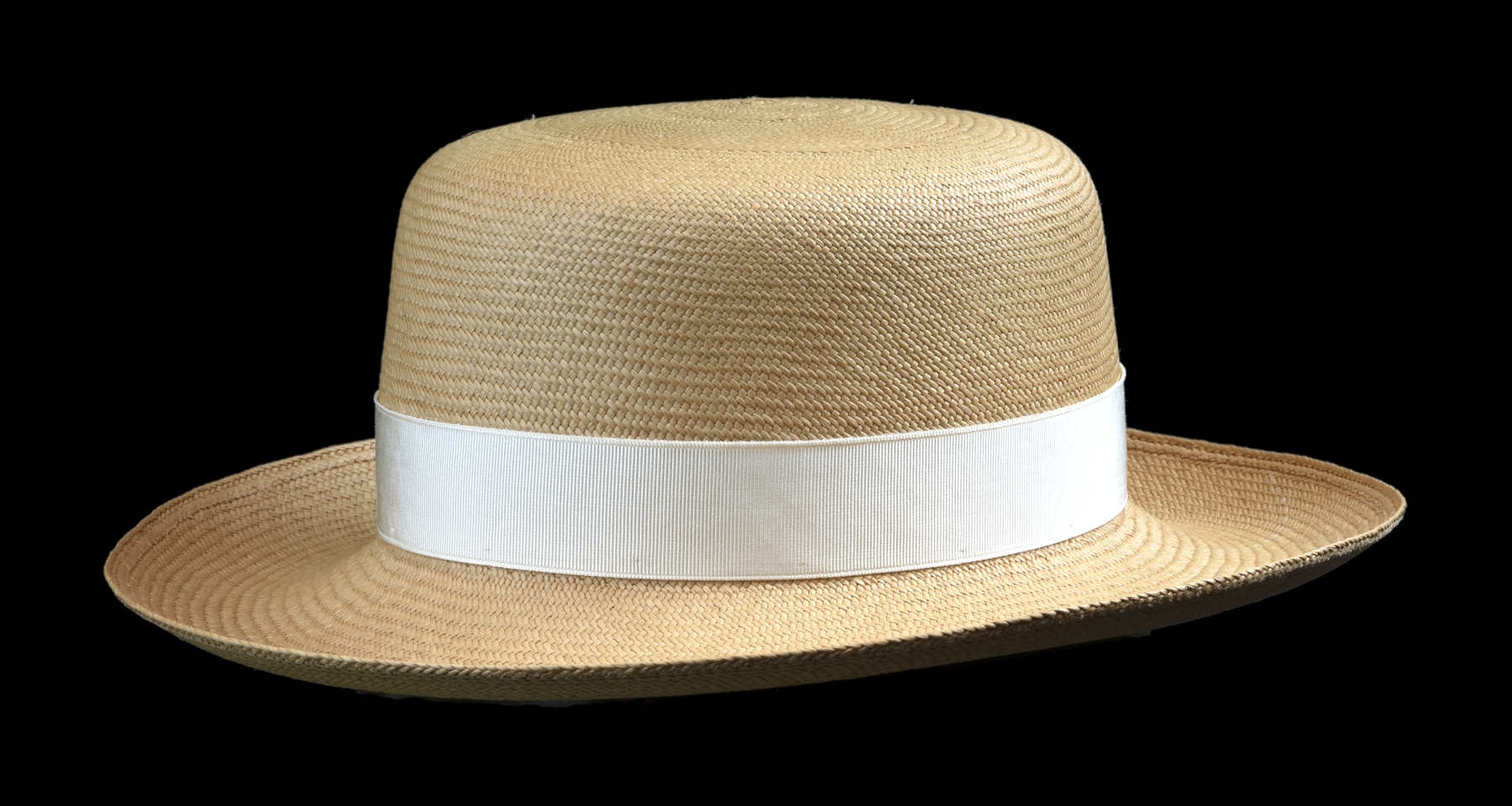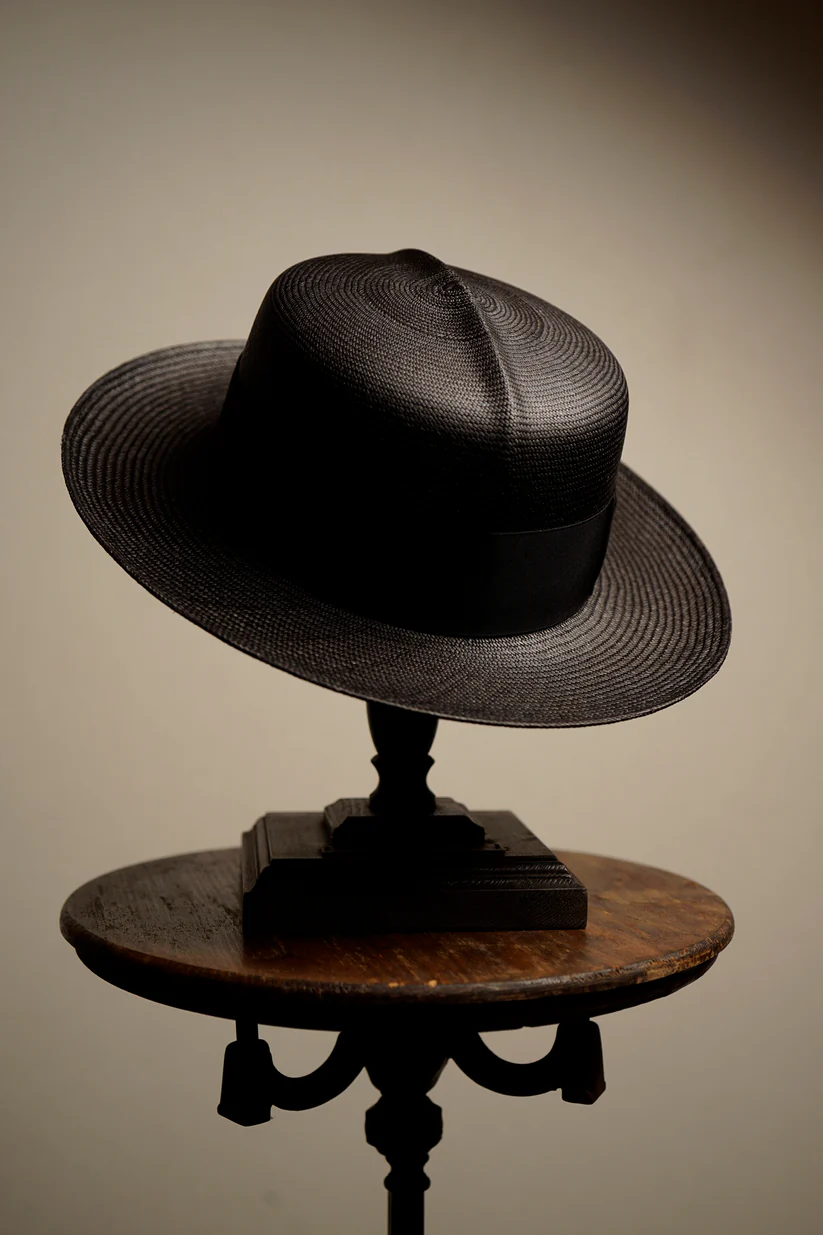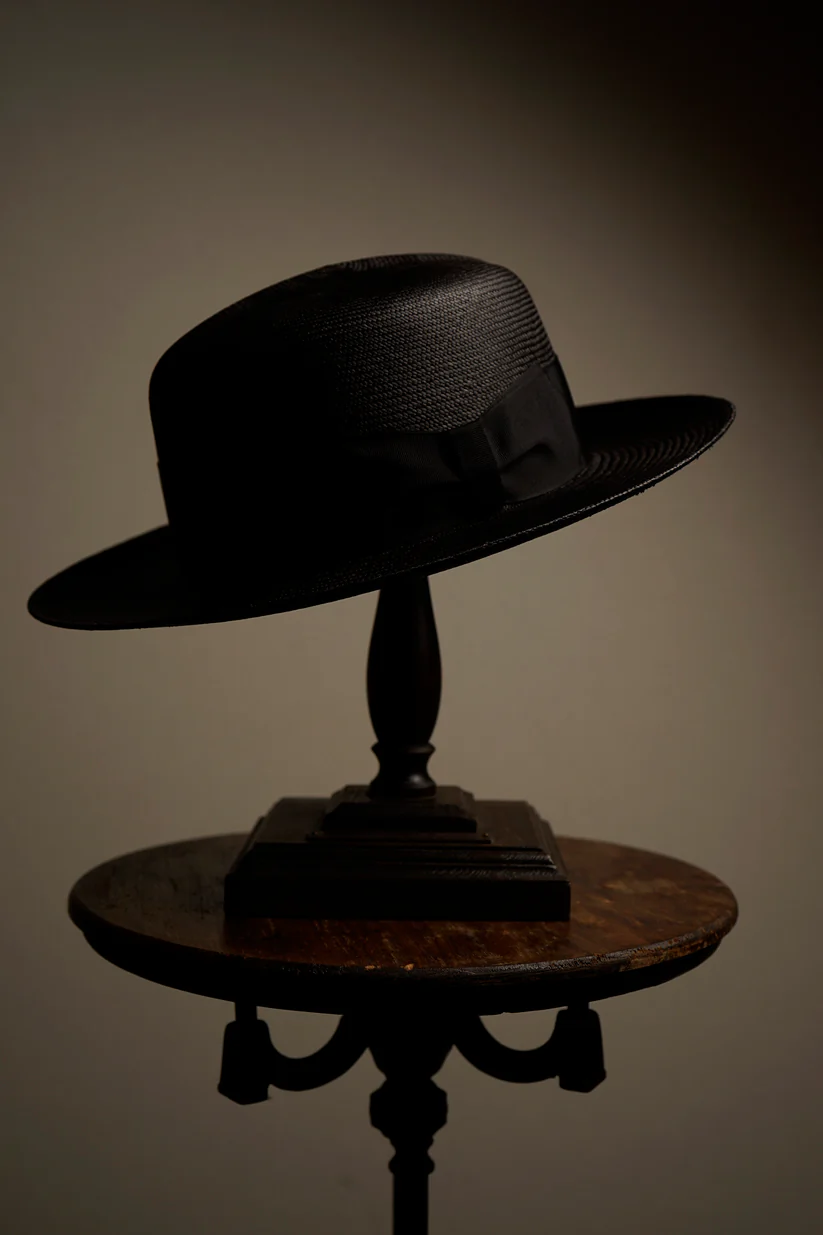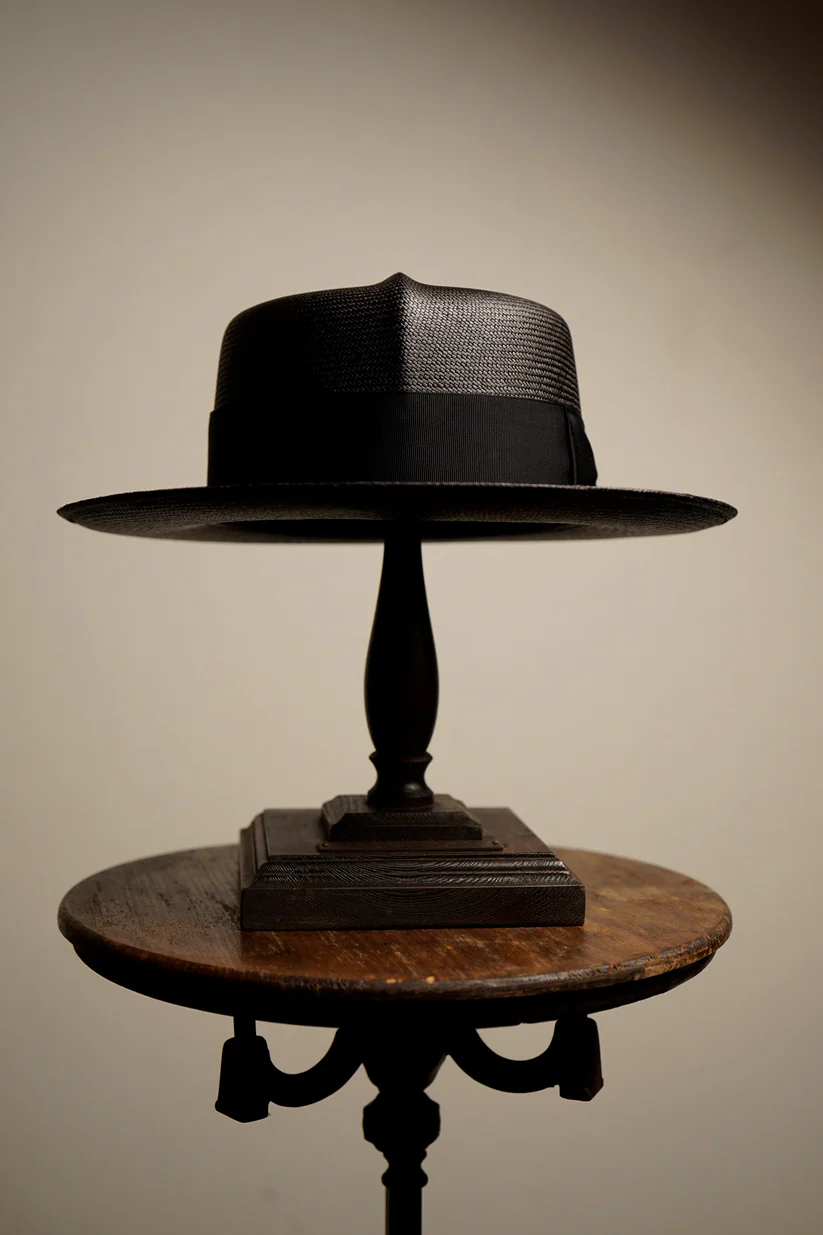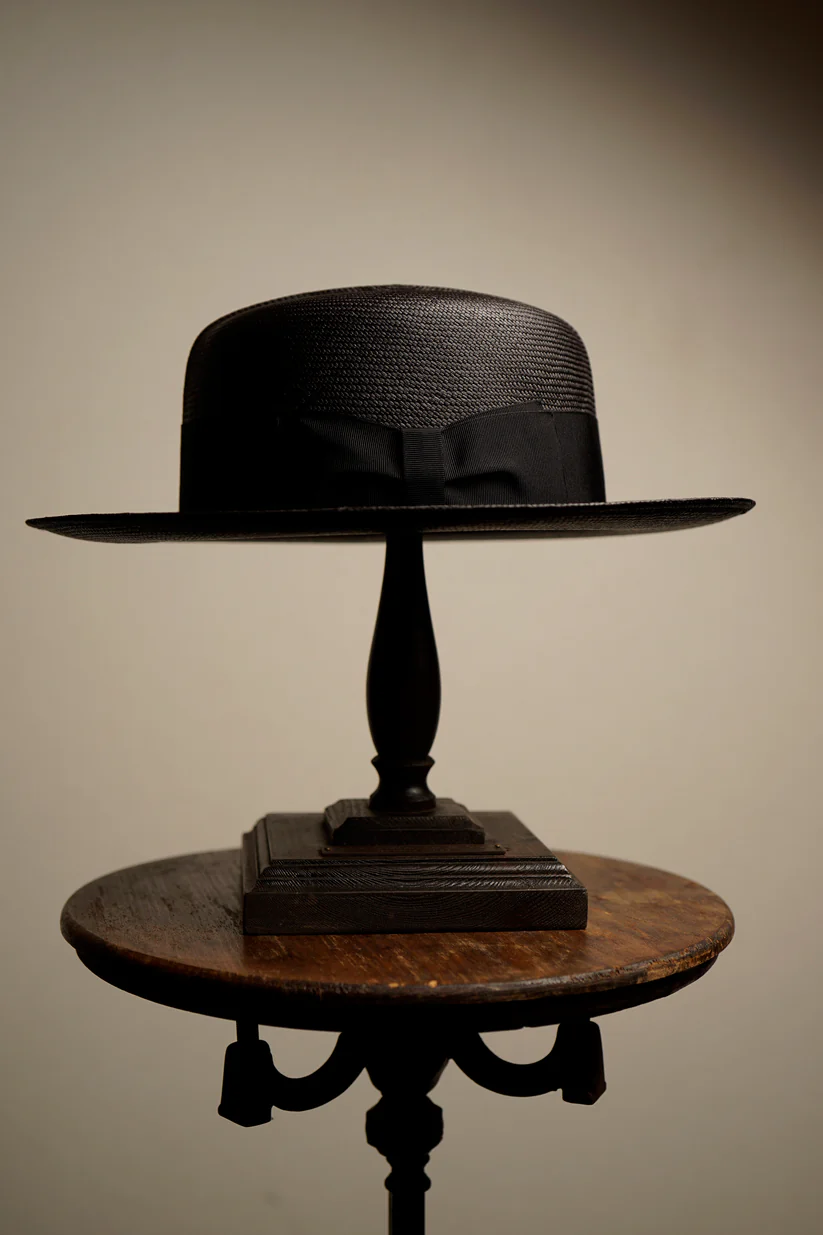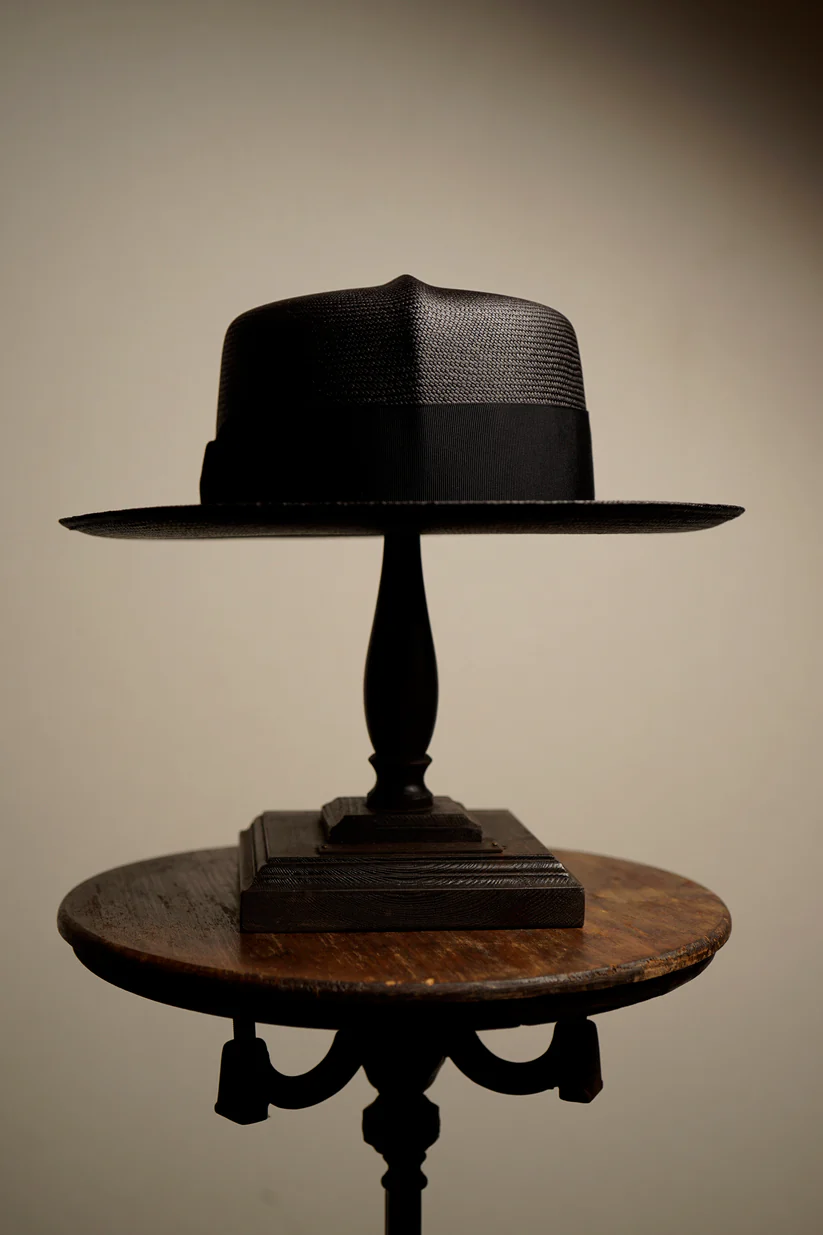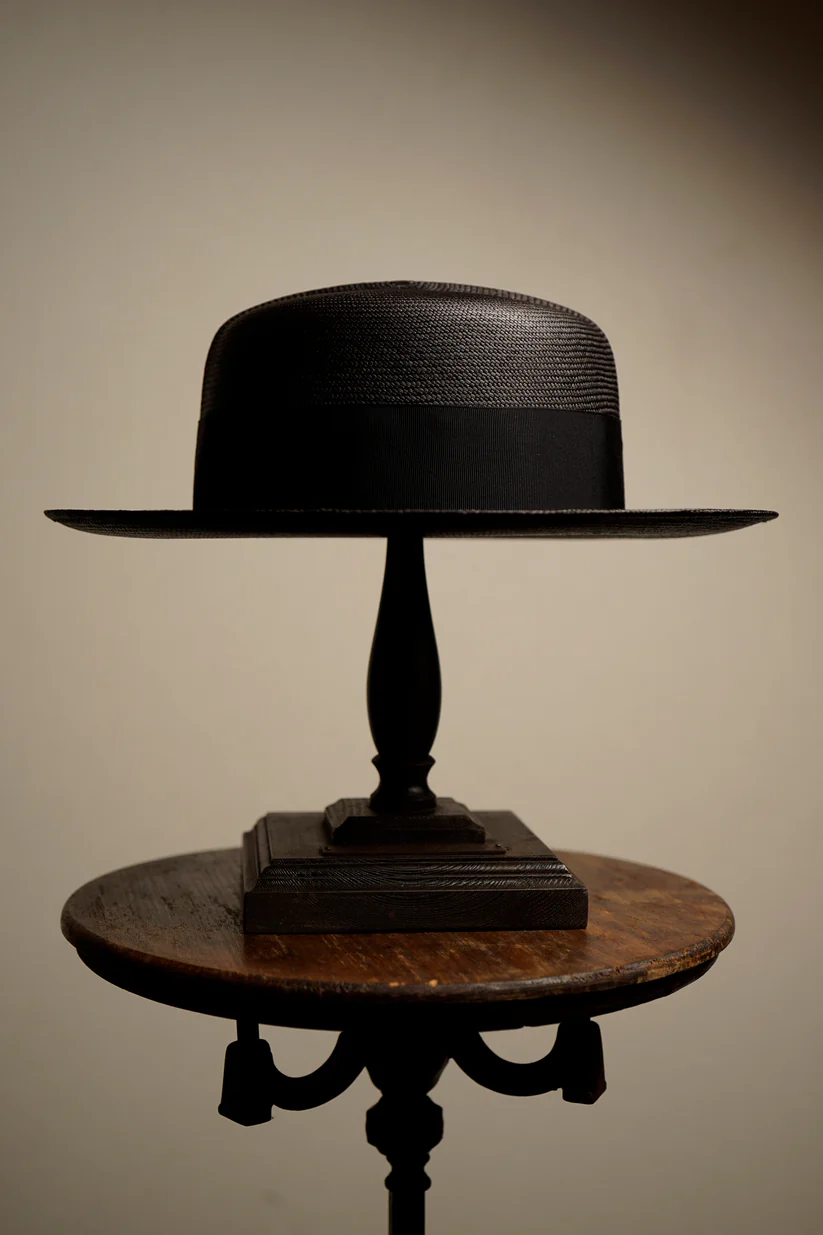
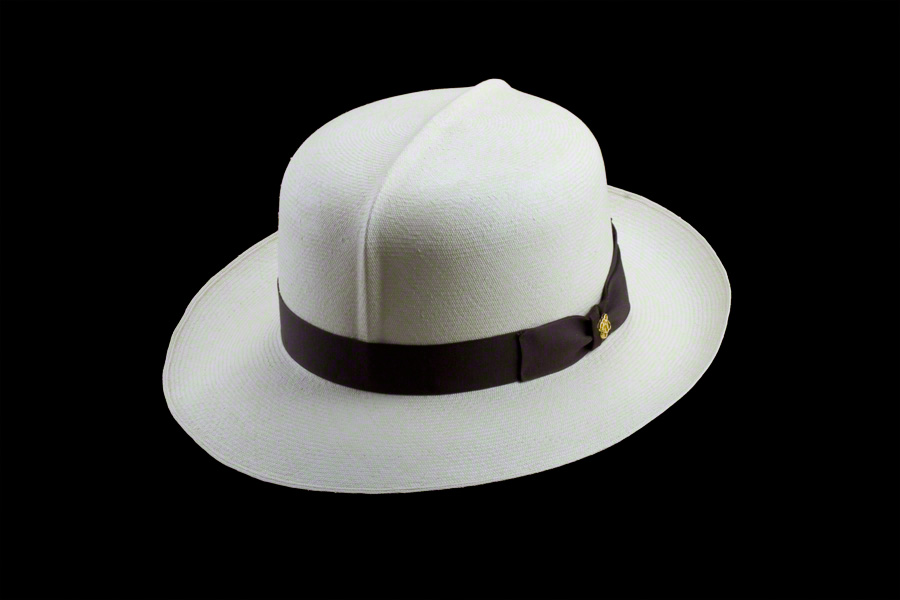
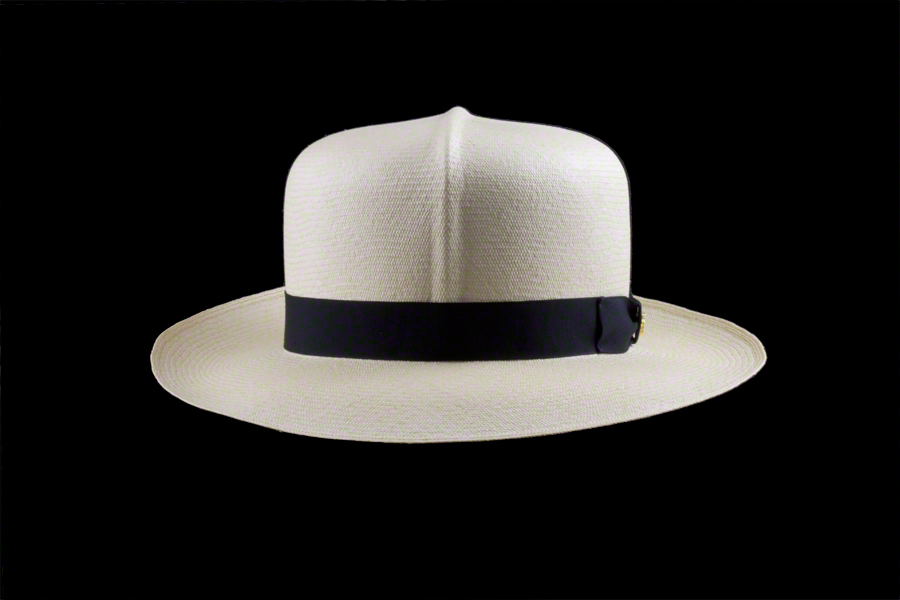
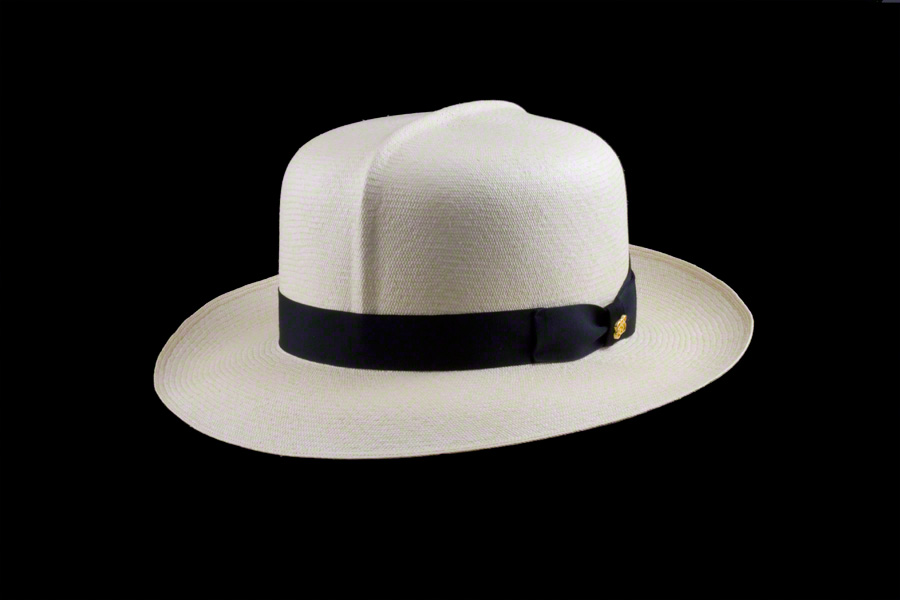
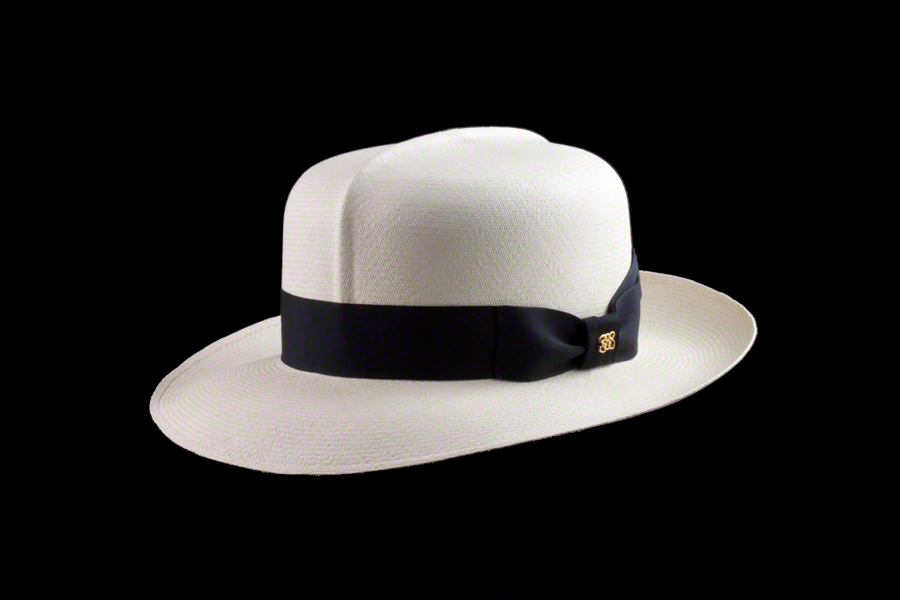
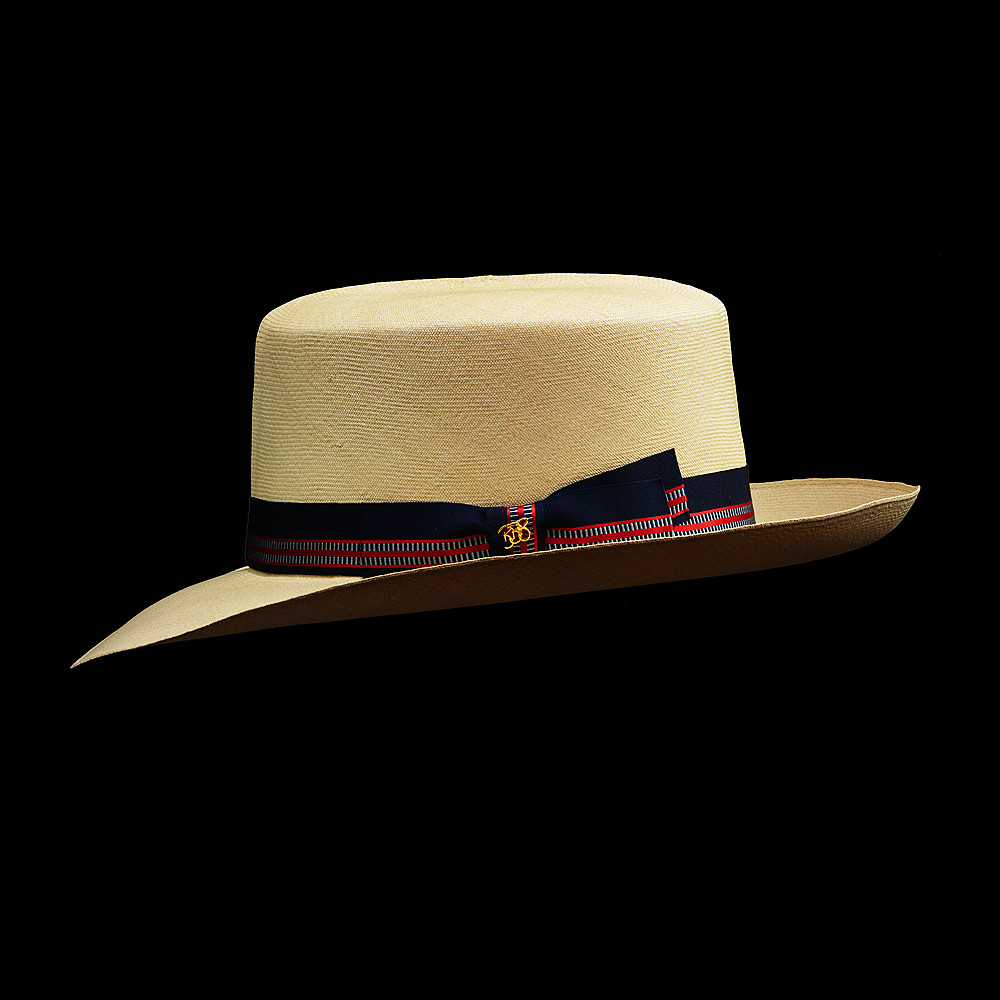
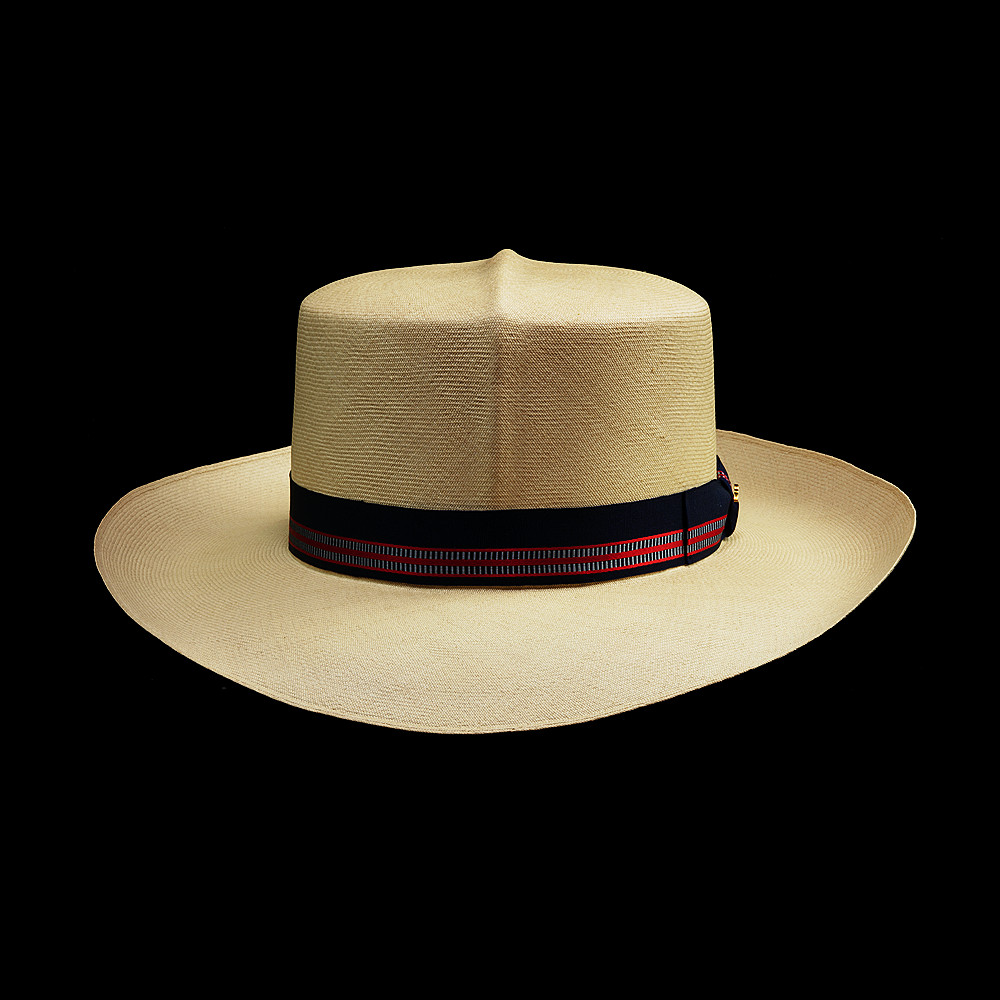
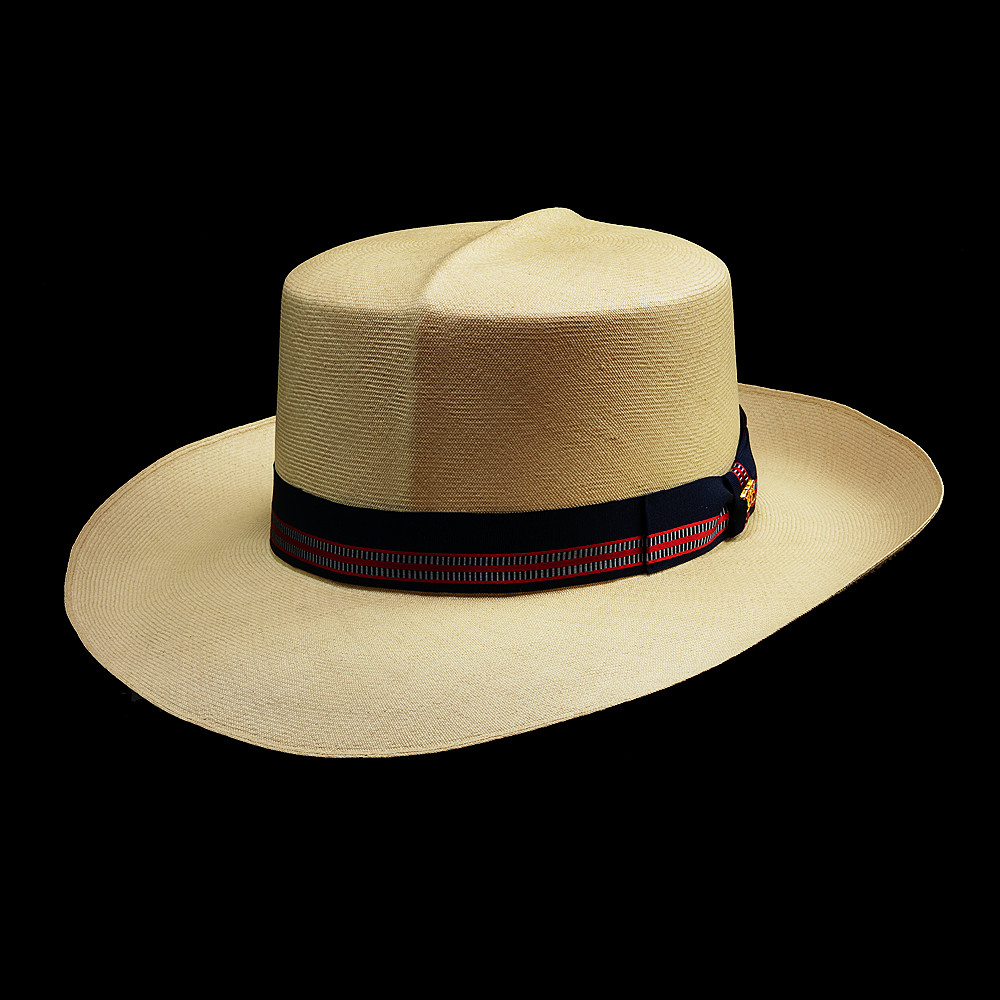
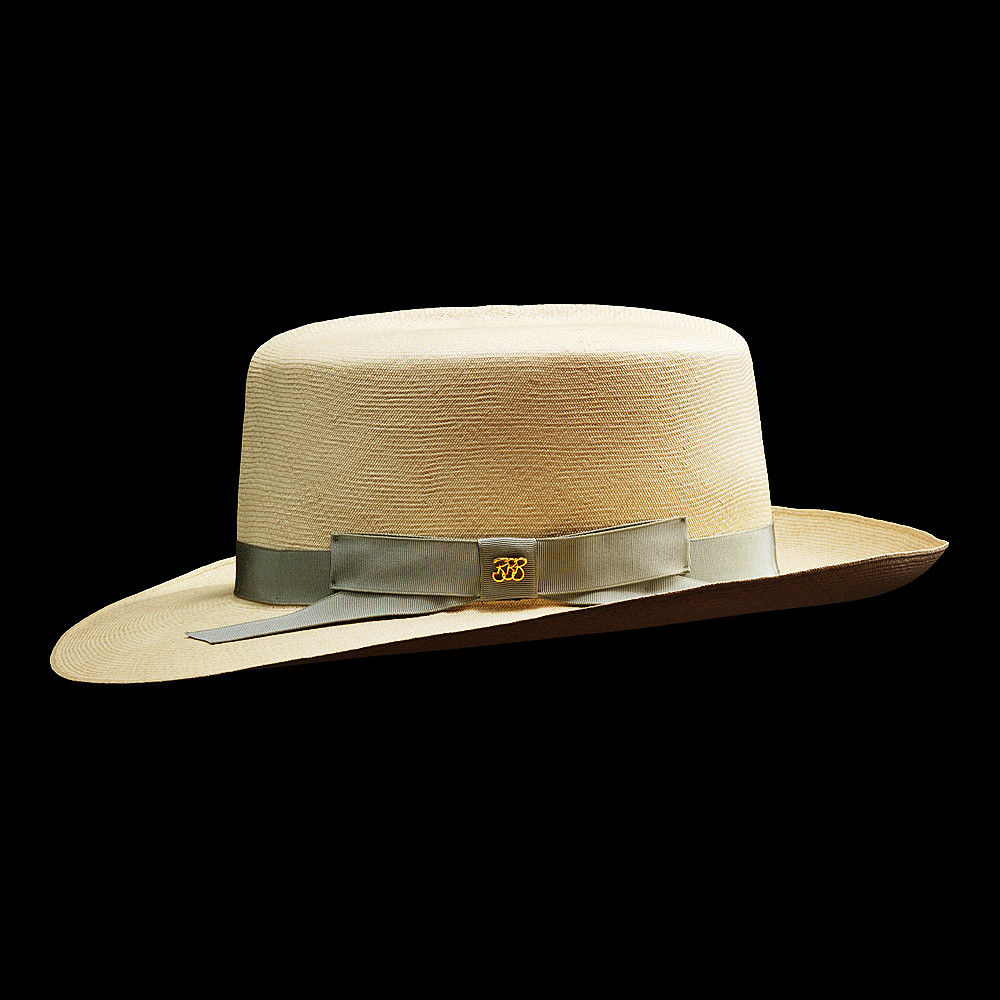
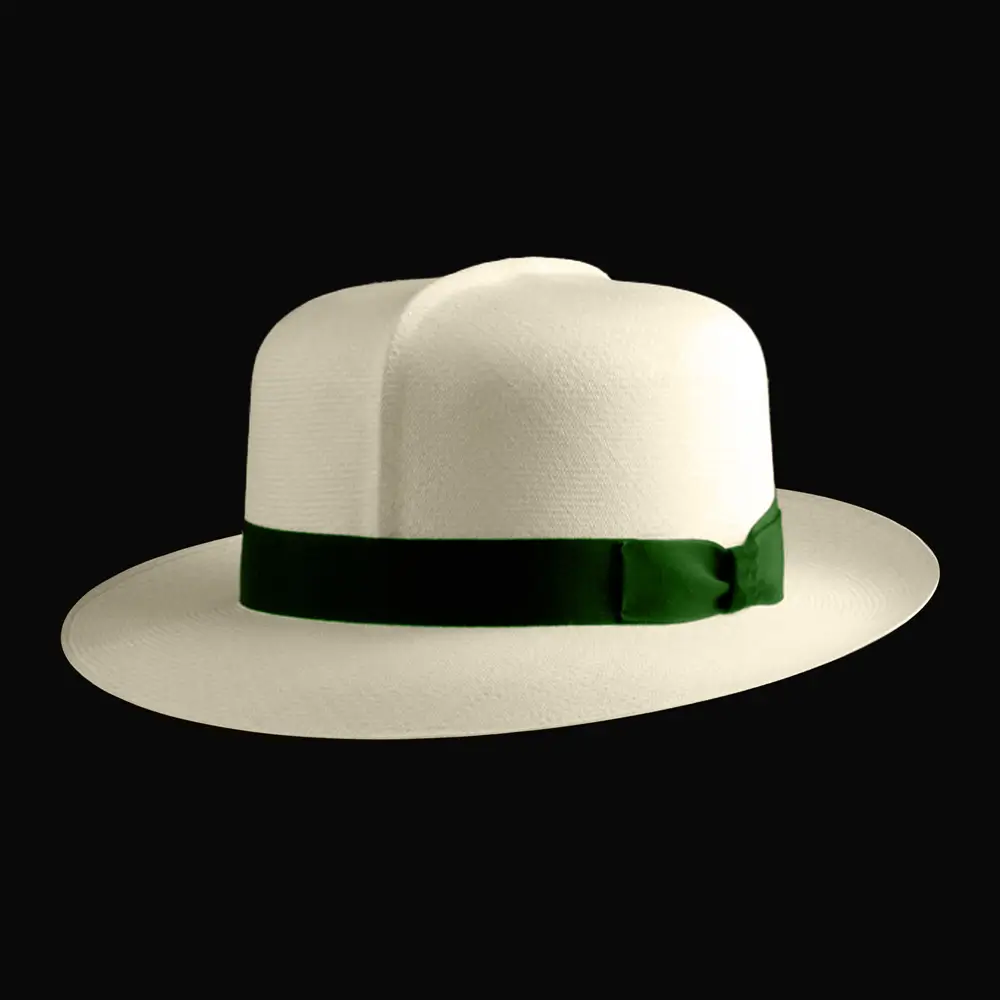
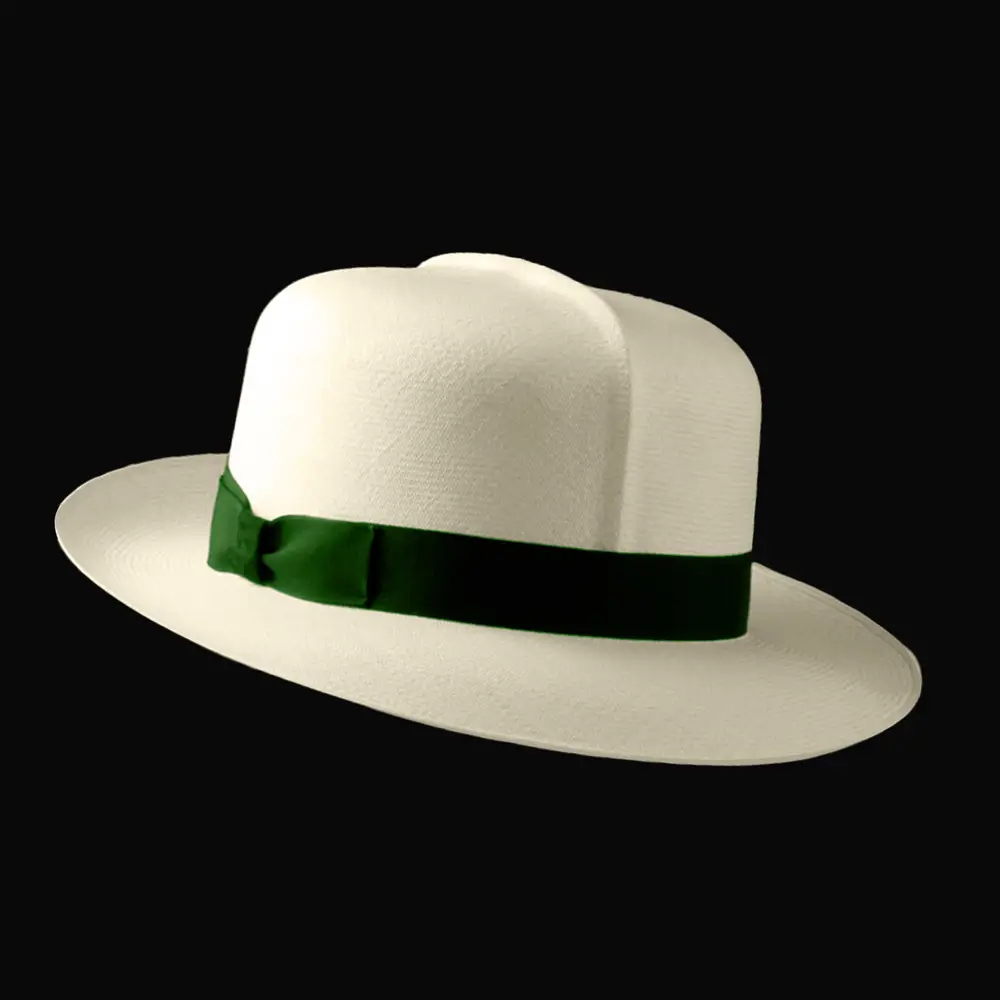
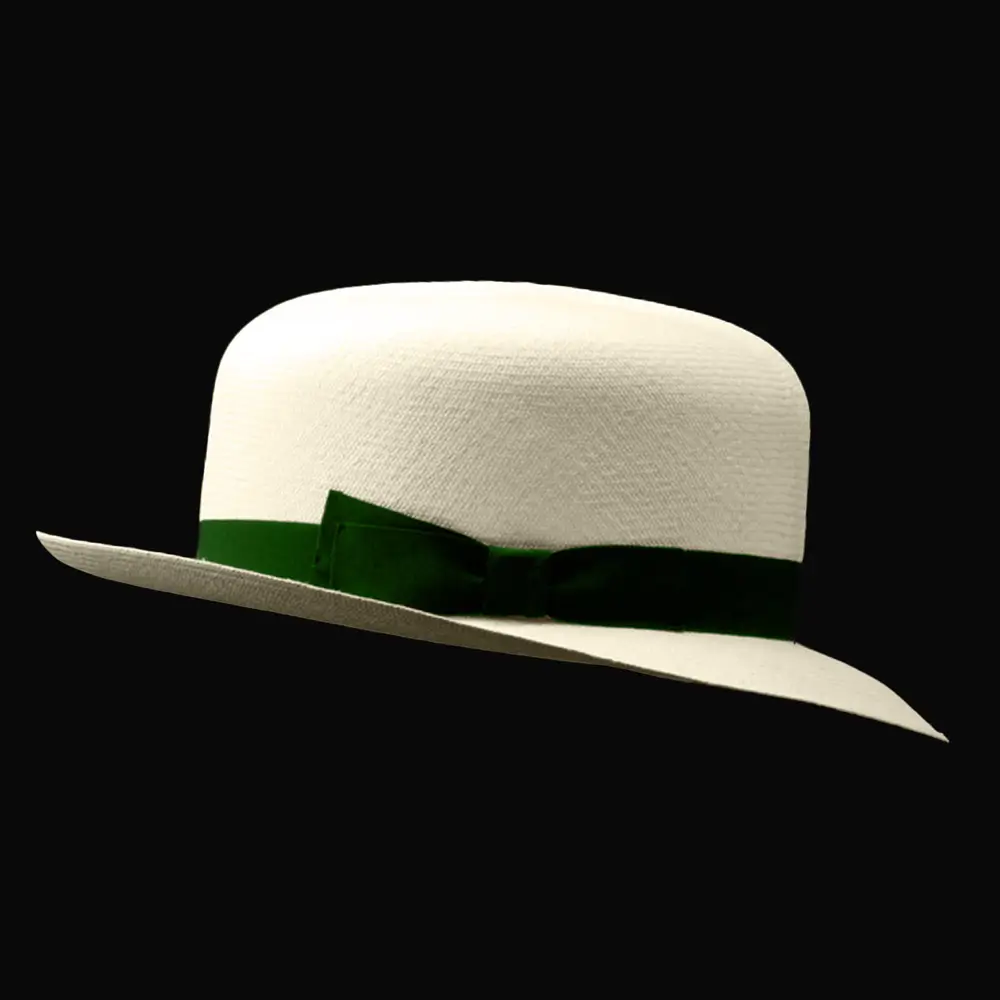
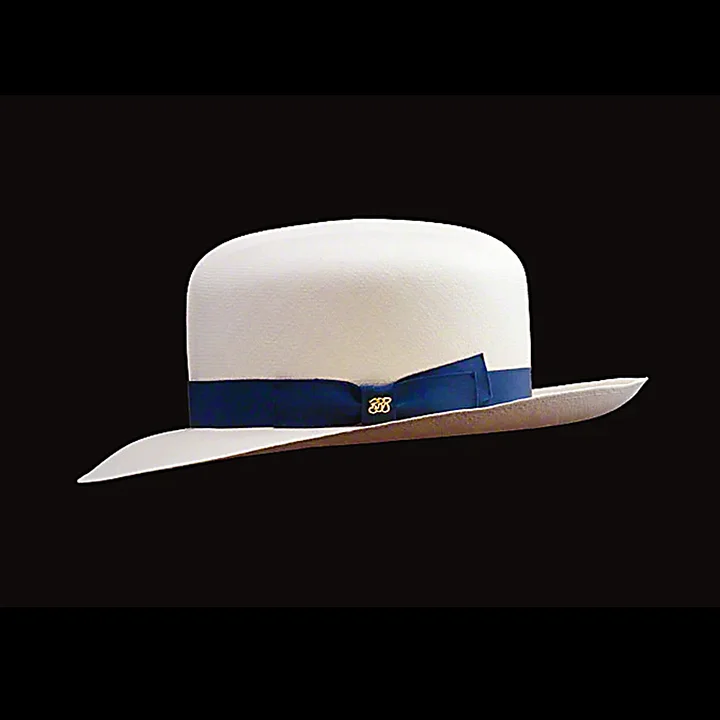
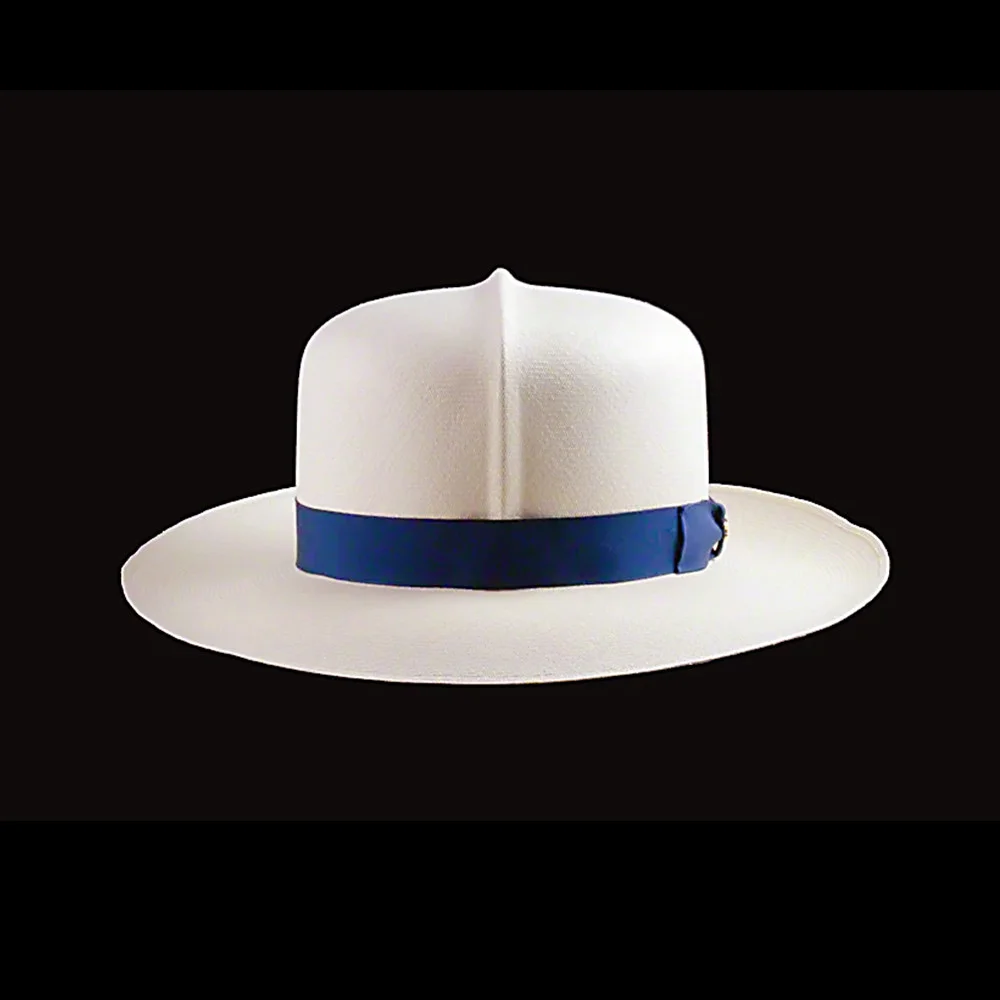
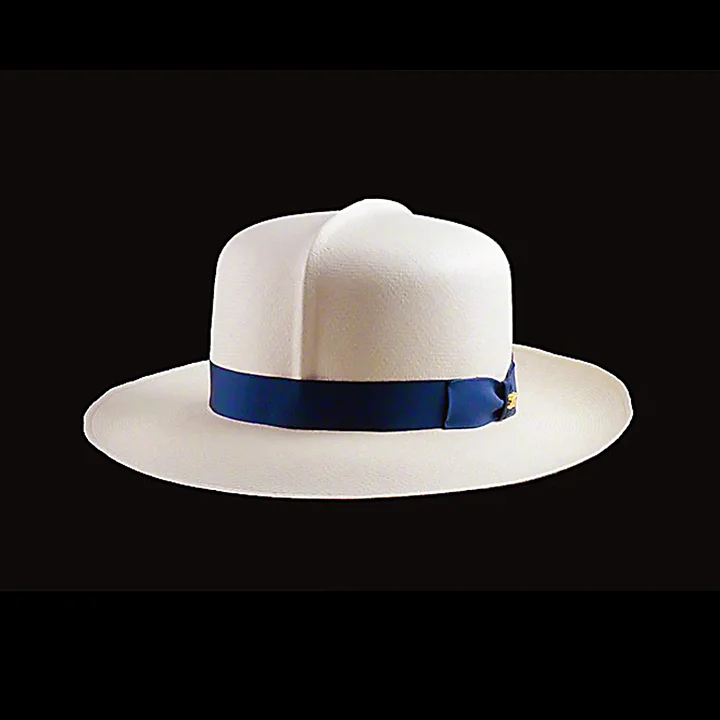
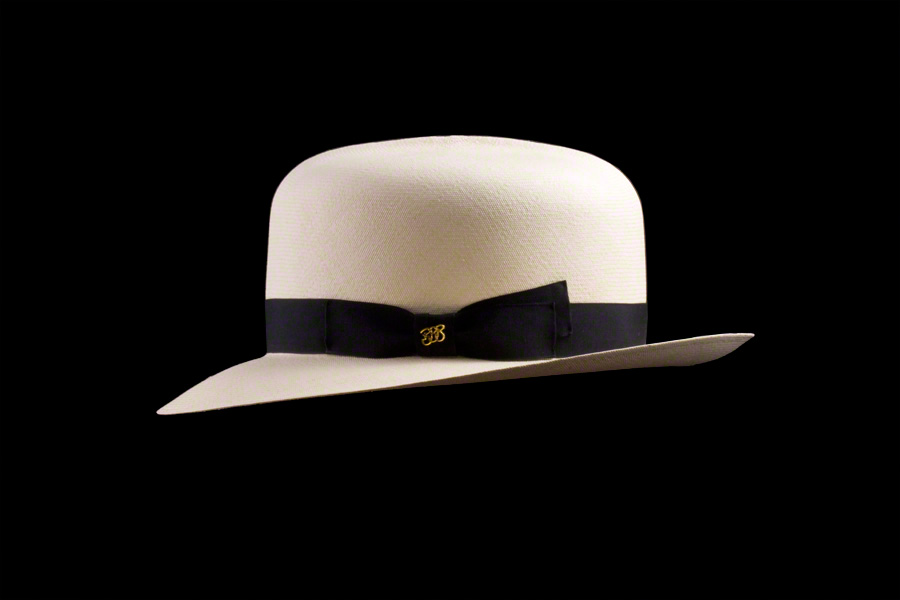
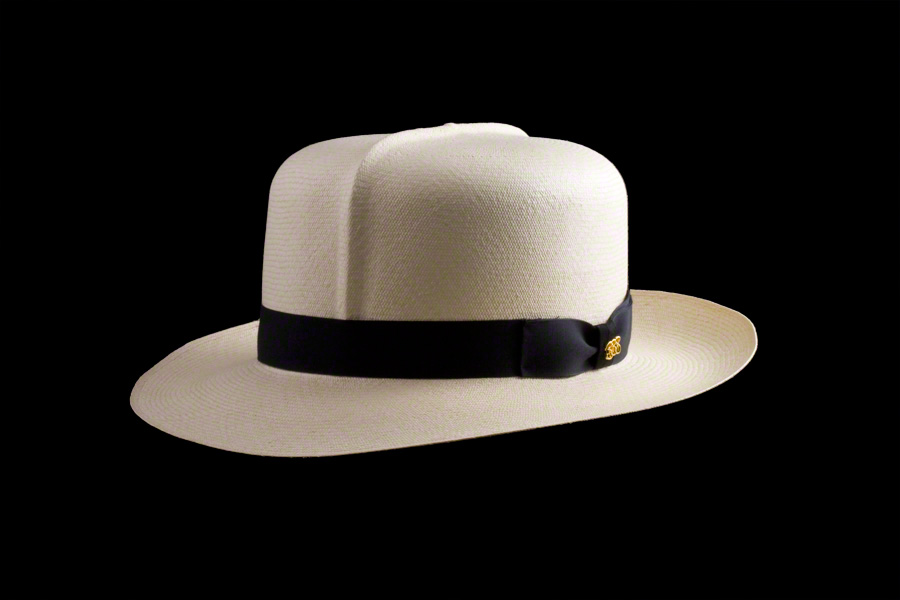
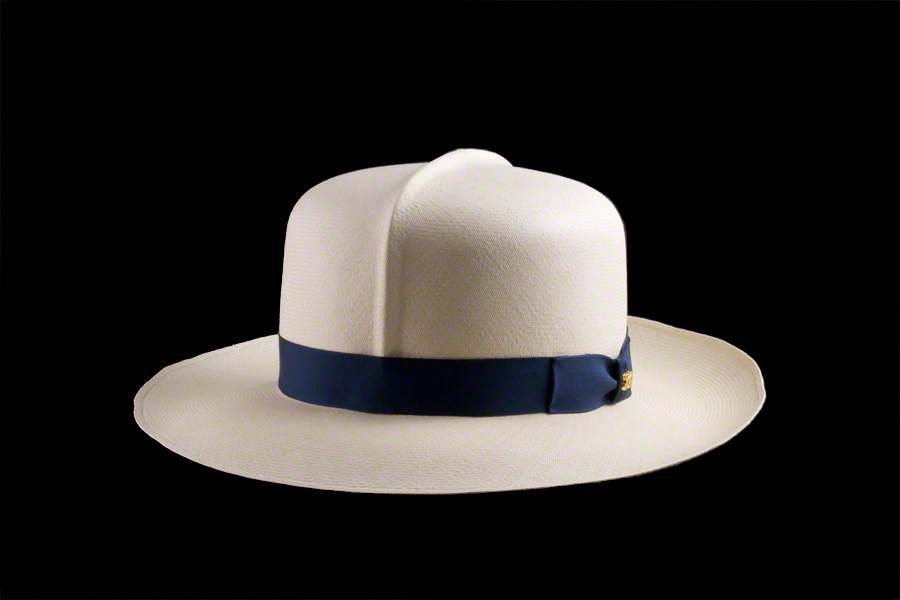
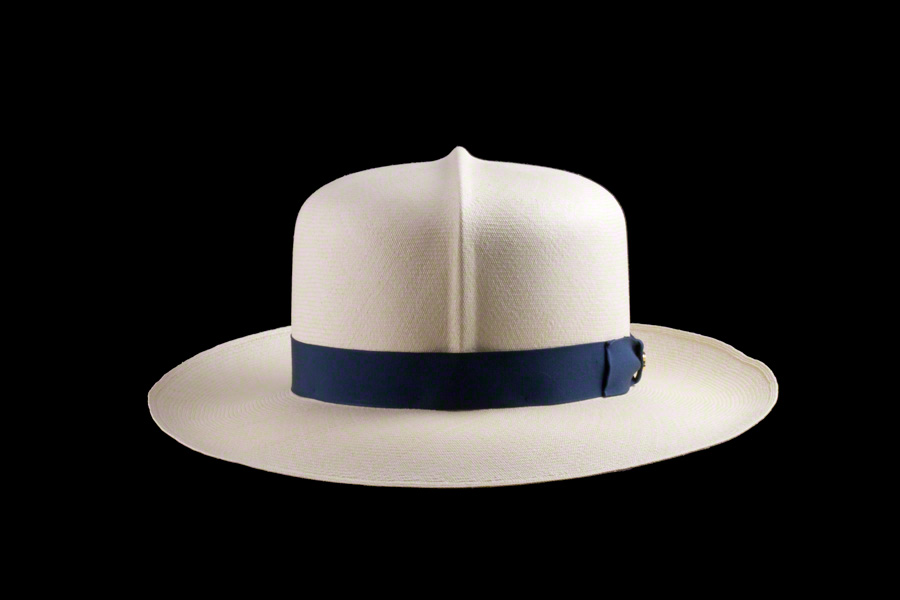
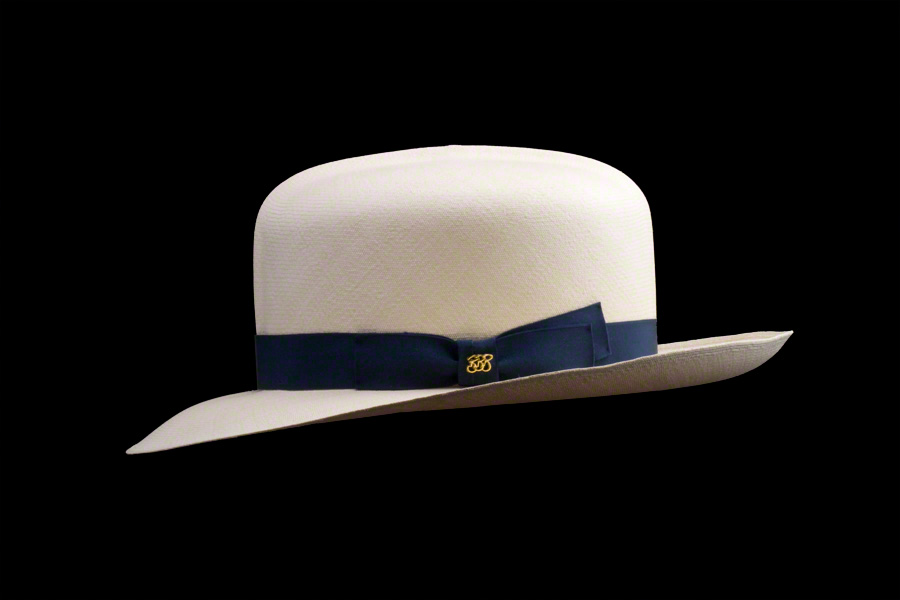
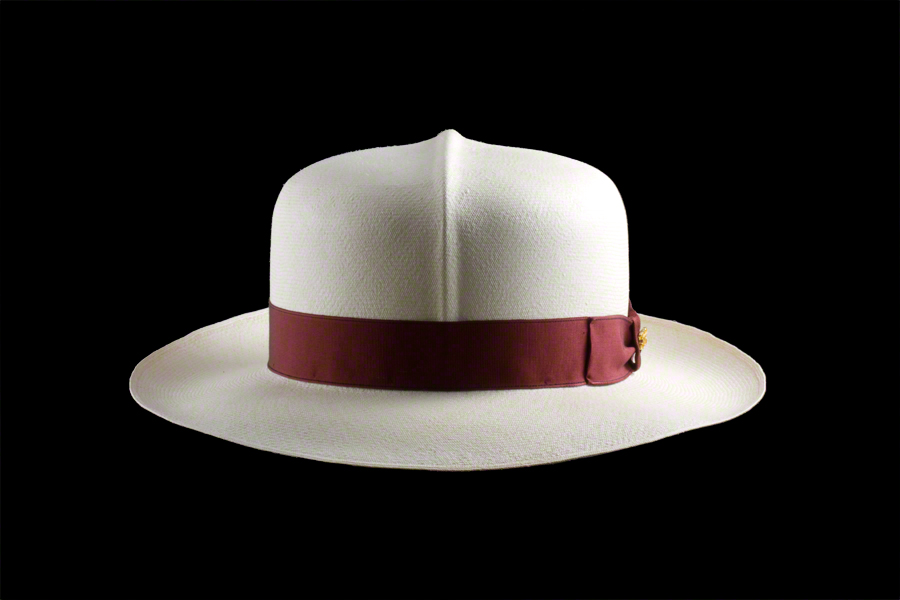
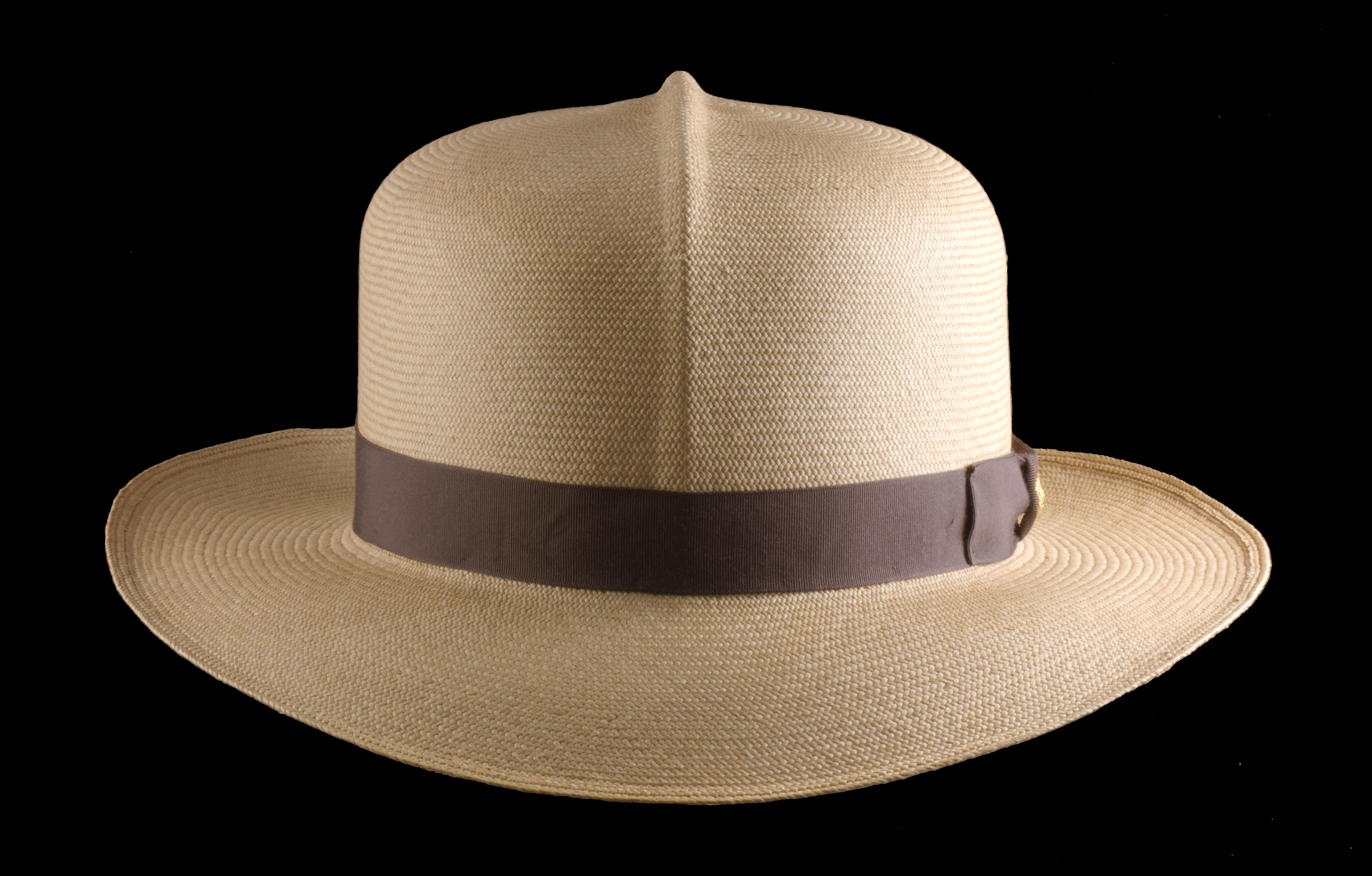
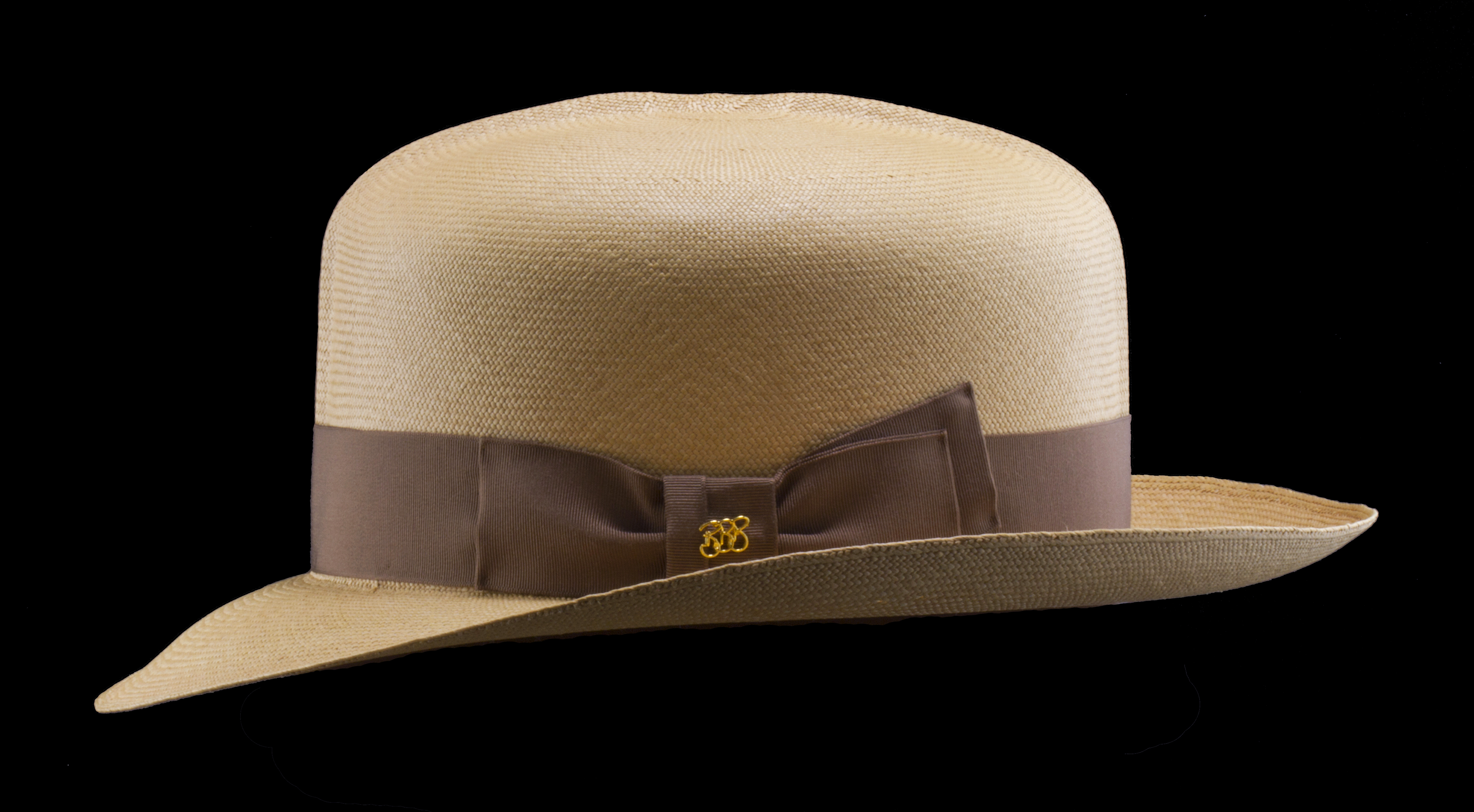
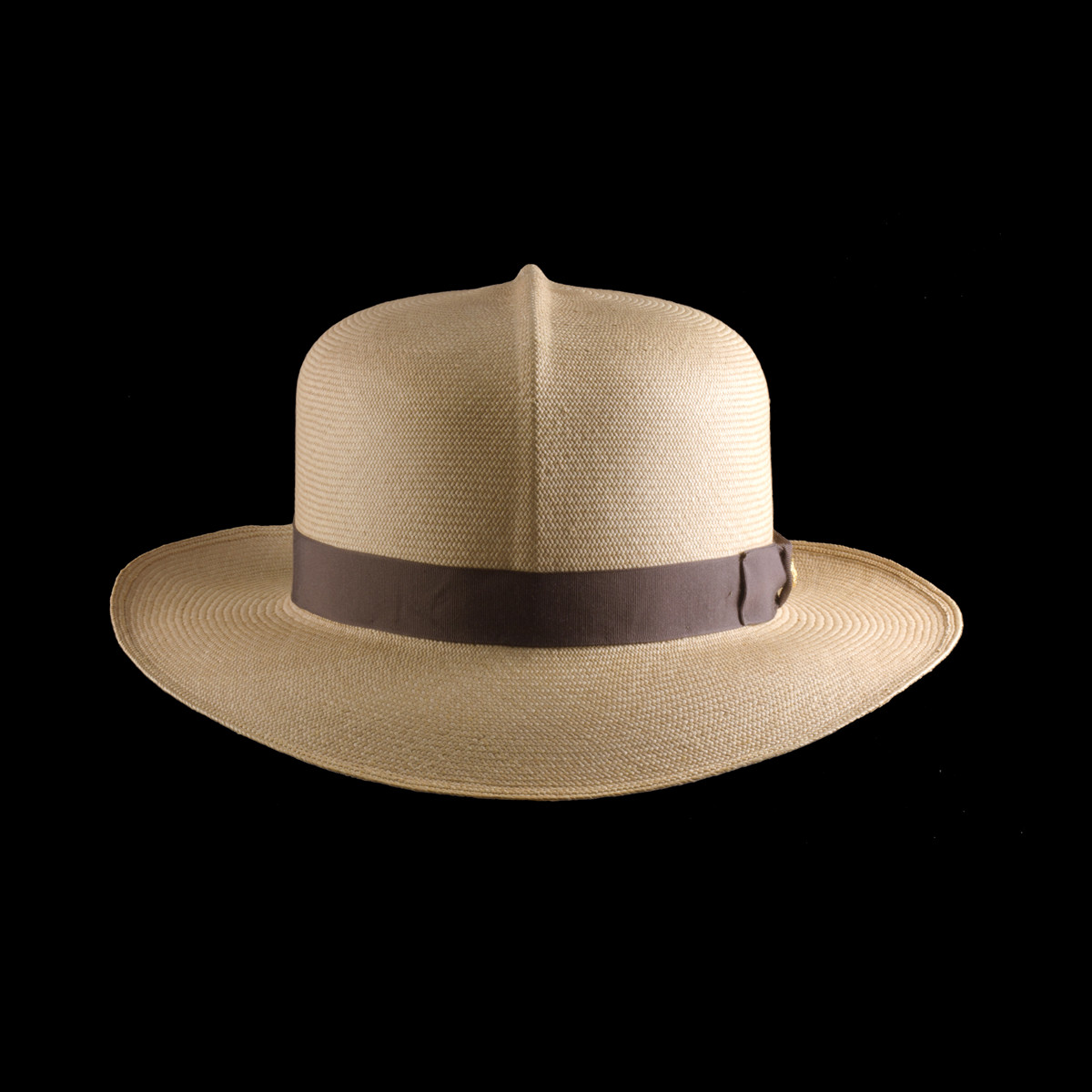
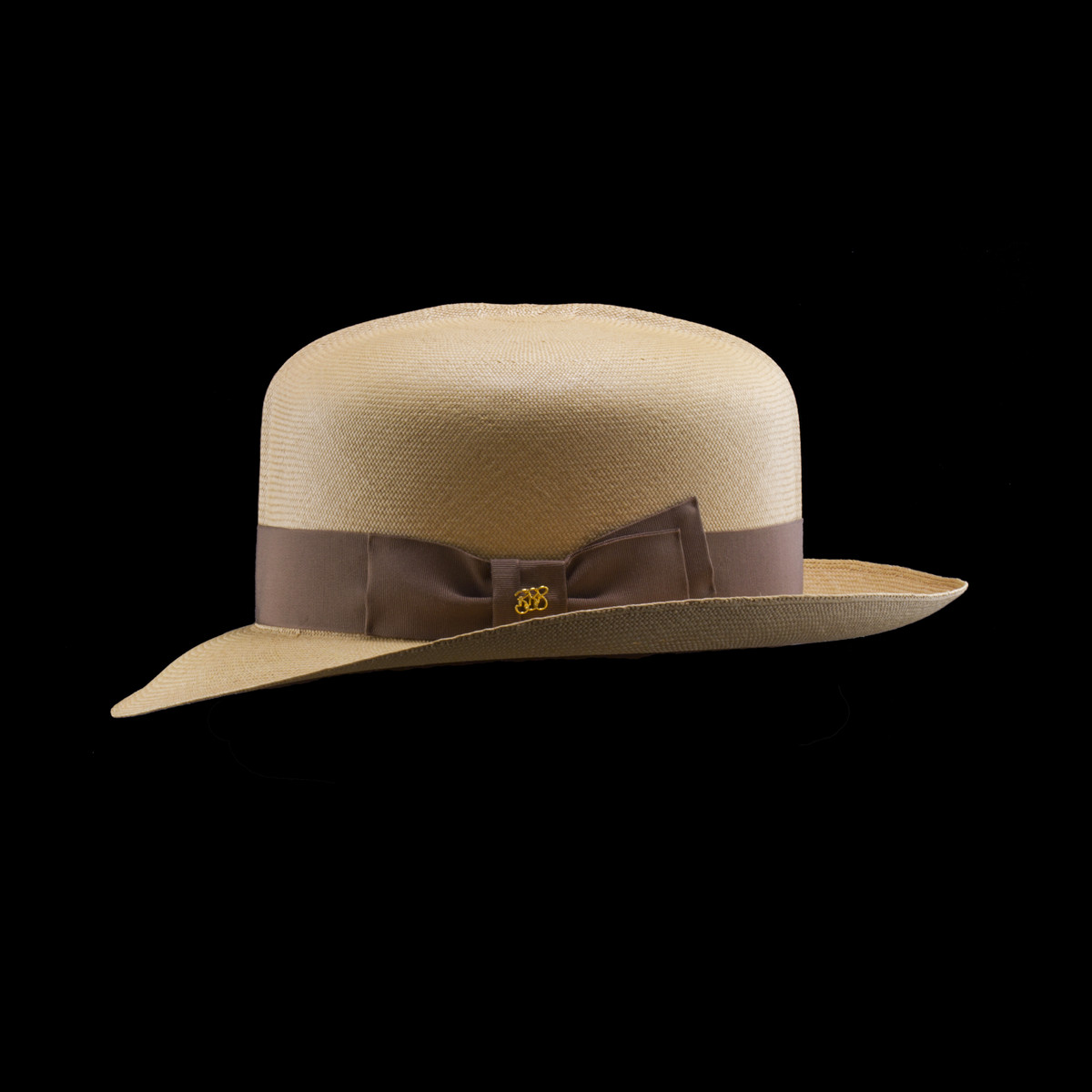
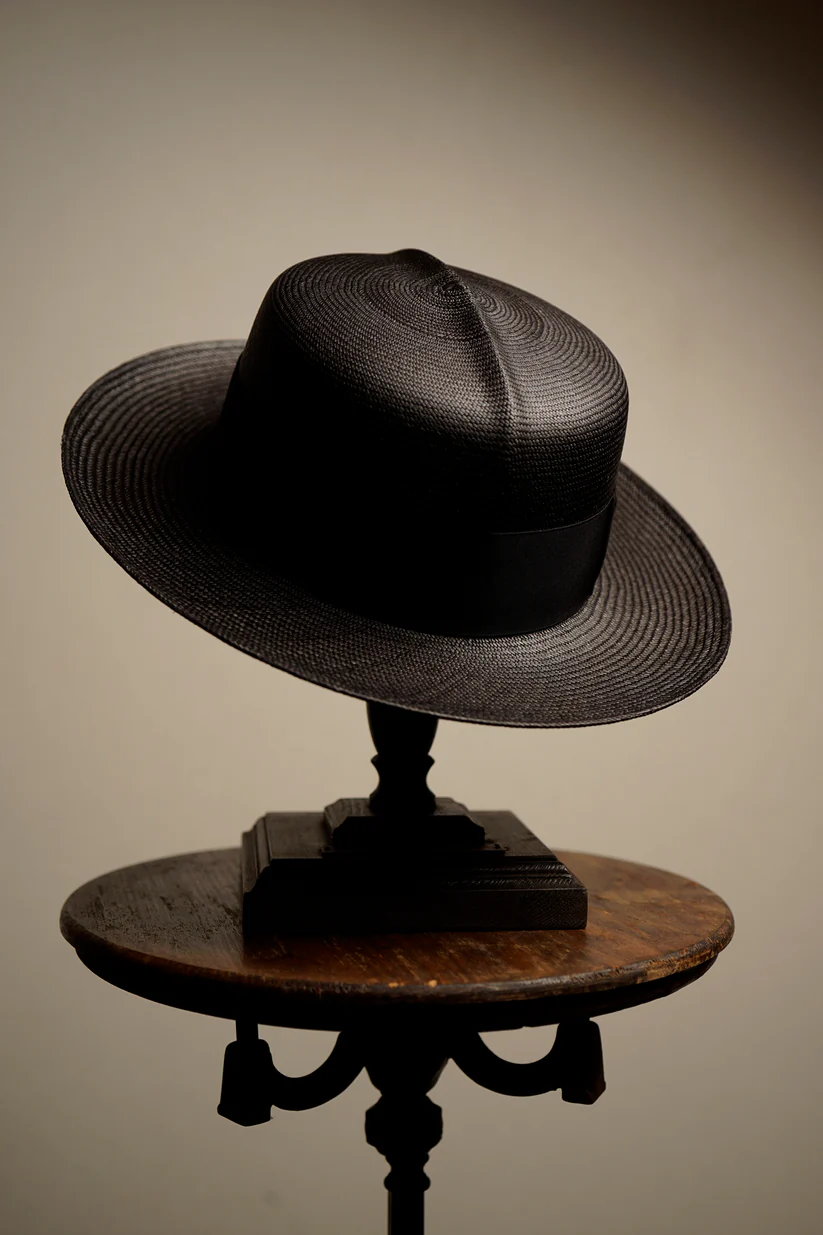
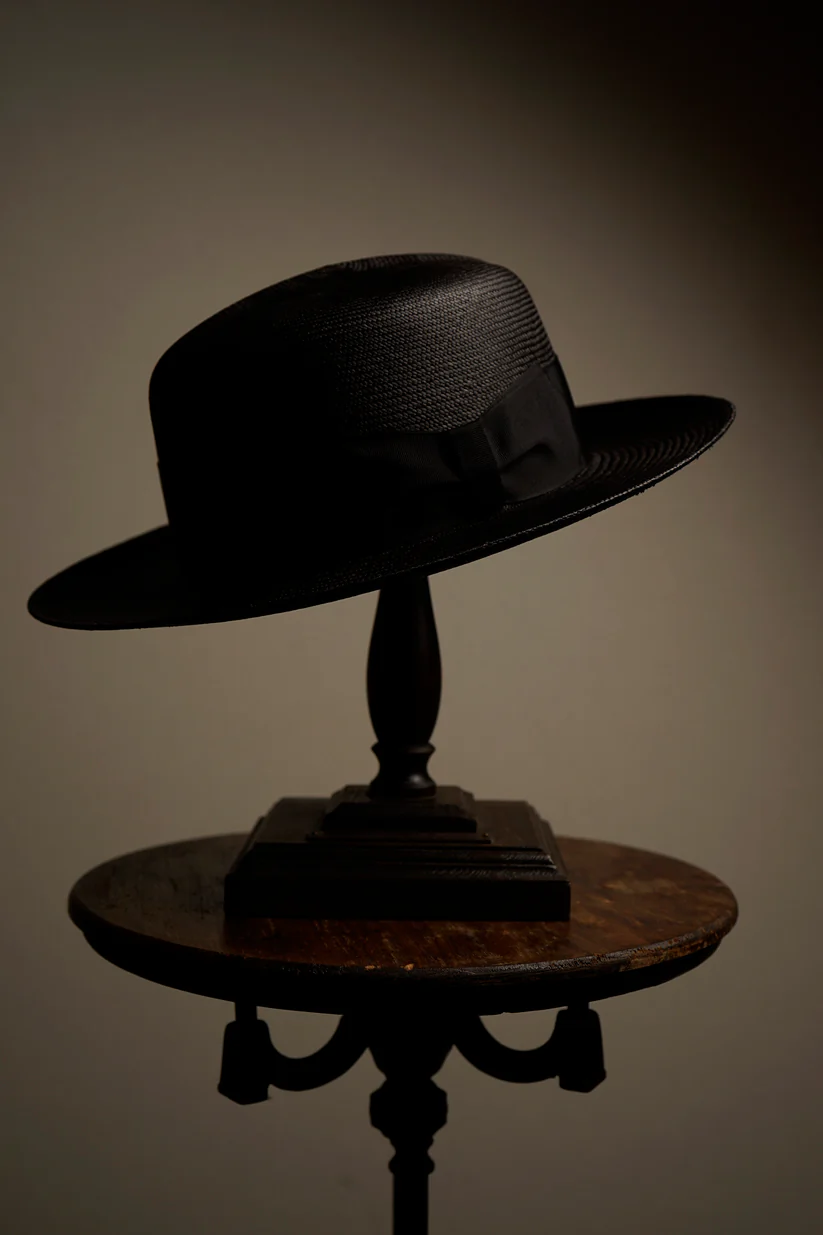
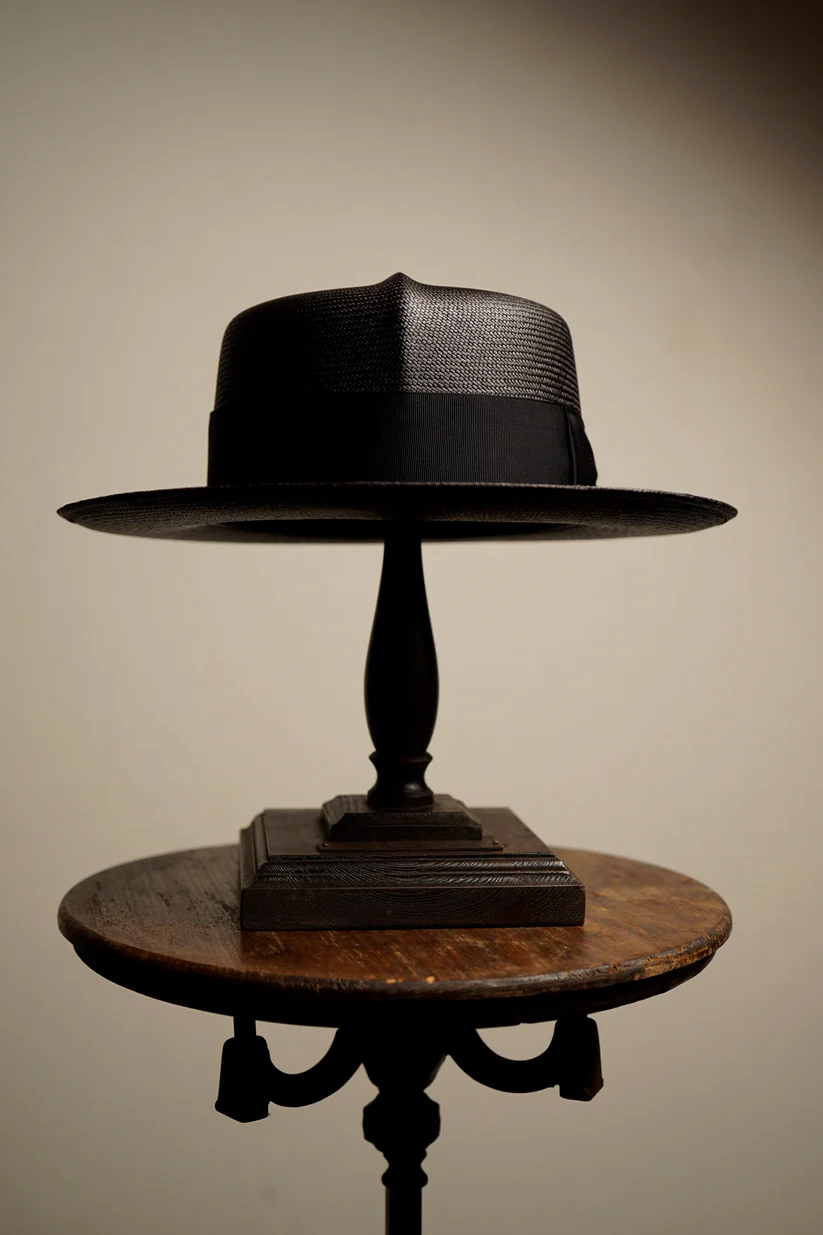
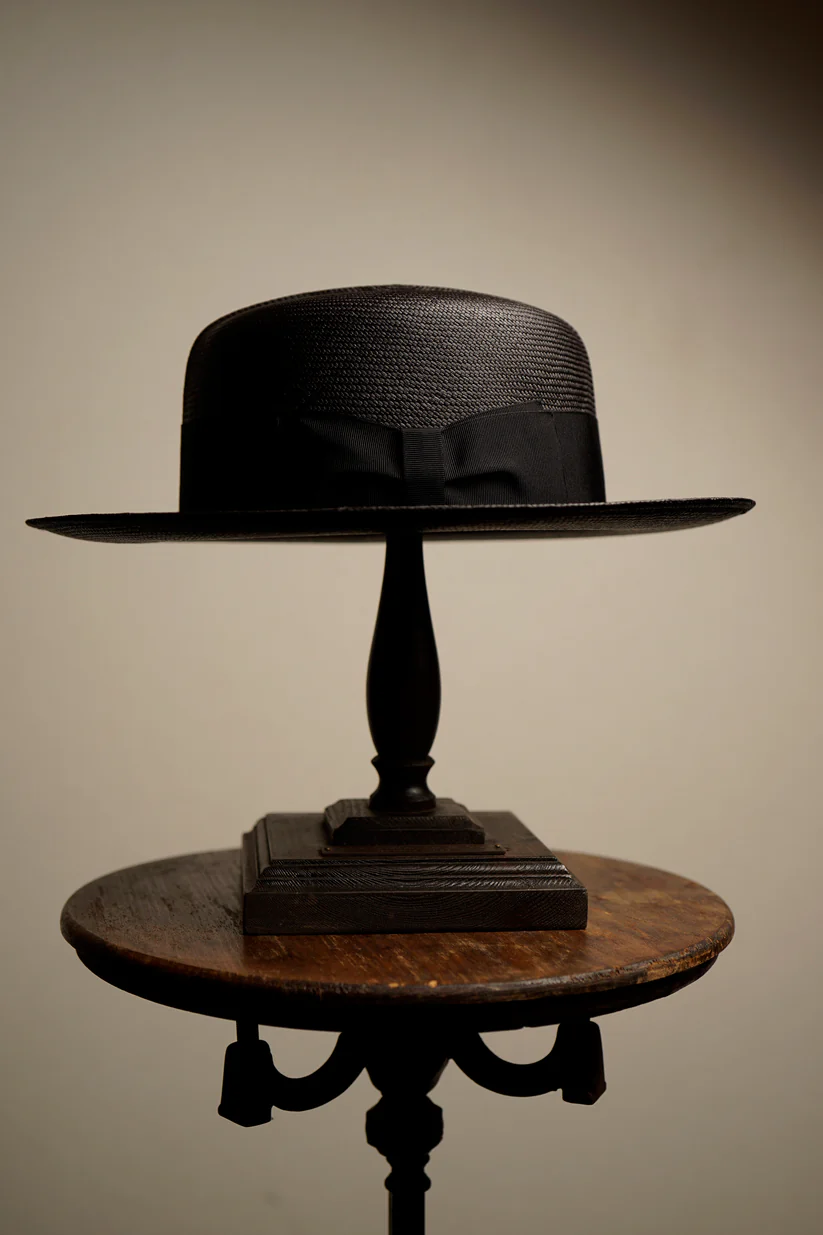
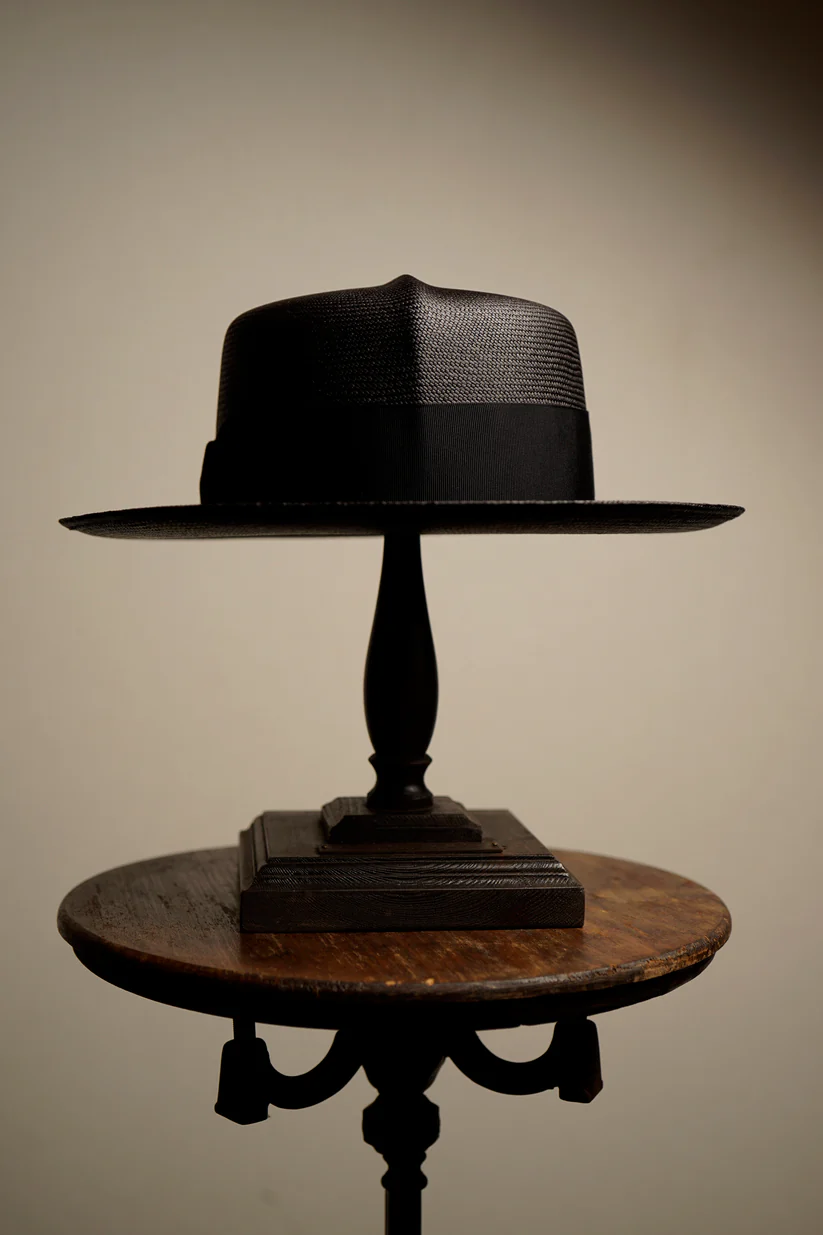
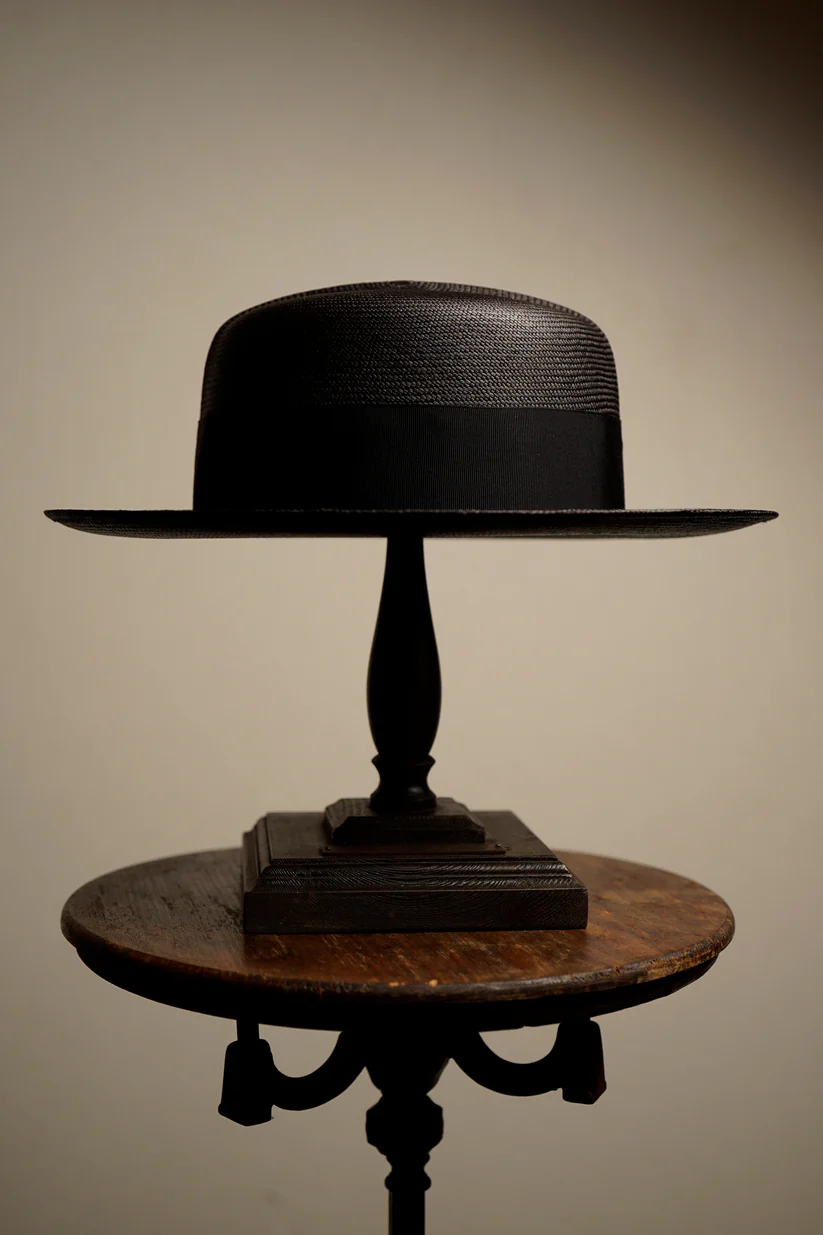
1930s Optimo Vintage
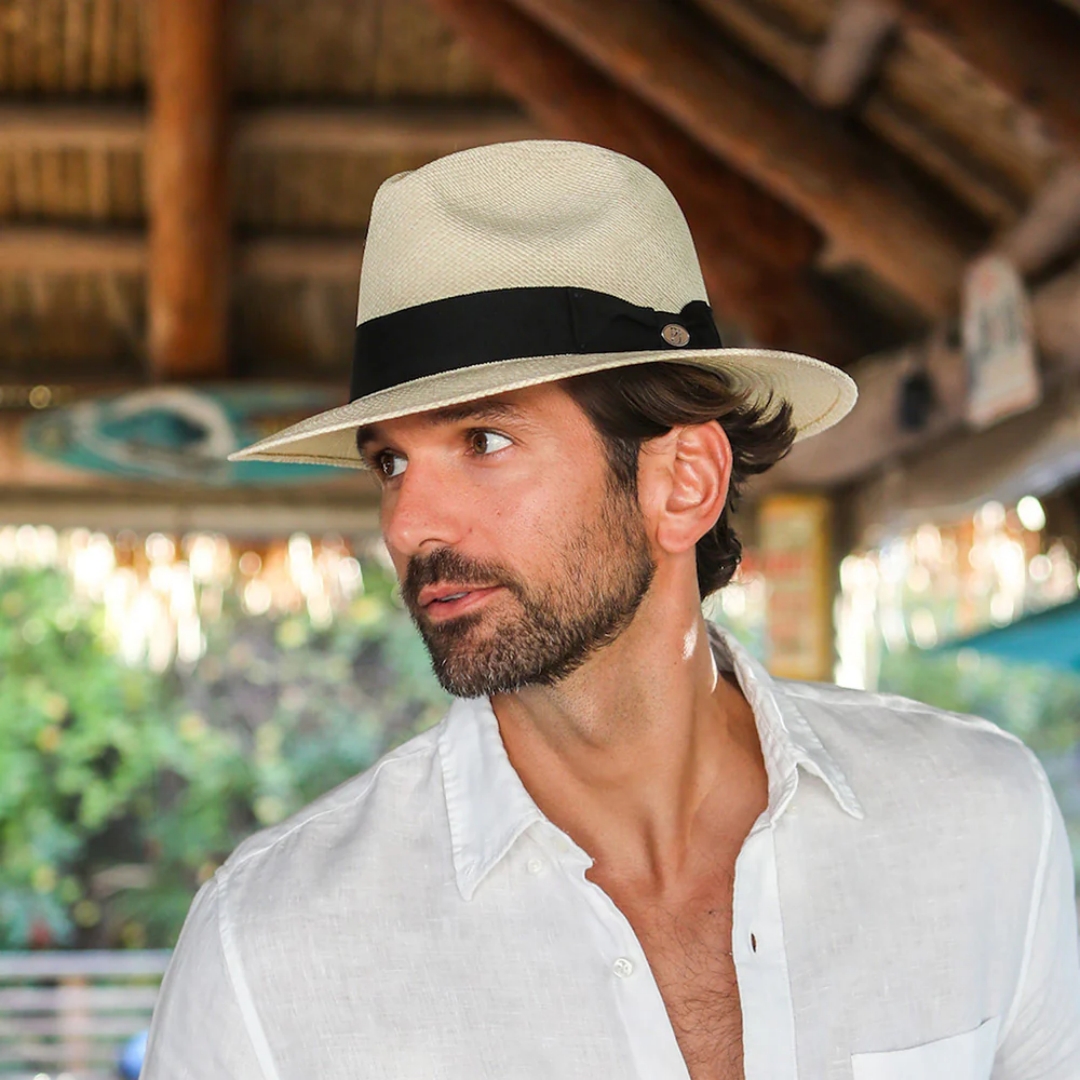
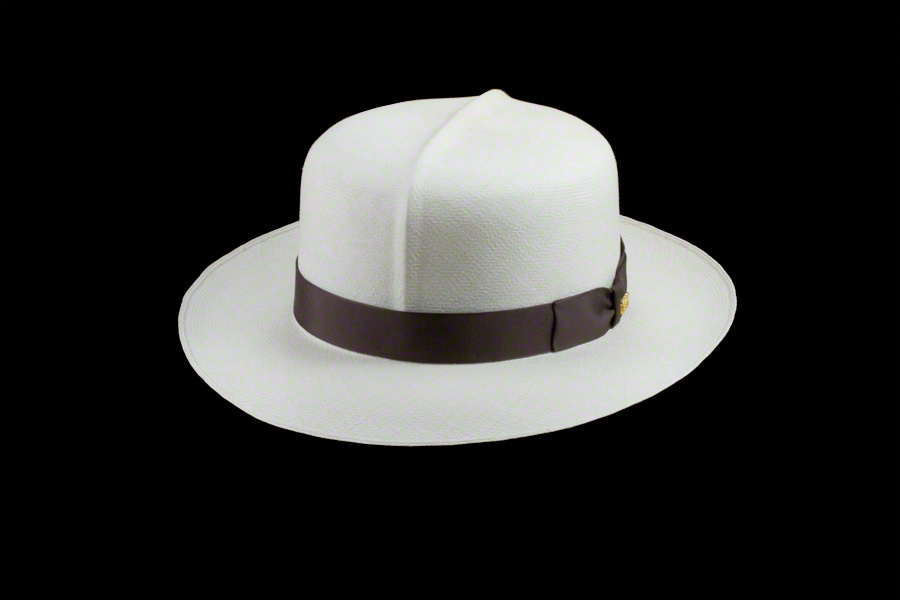
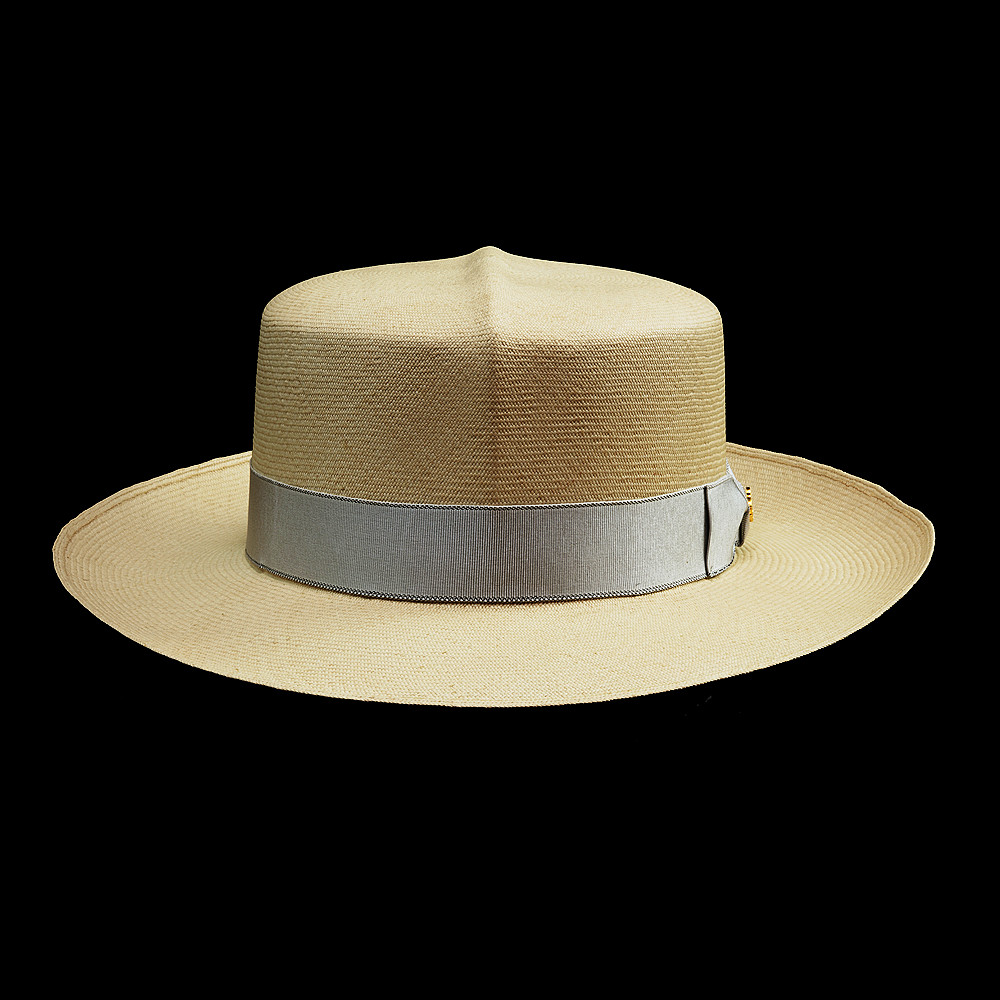
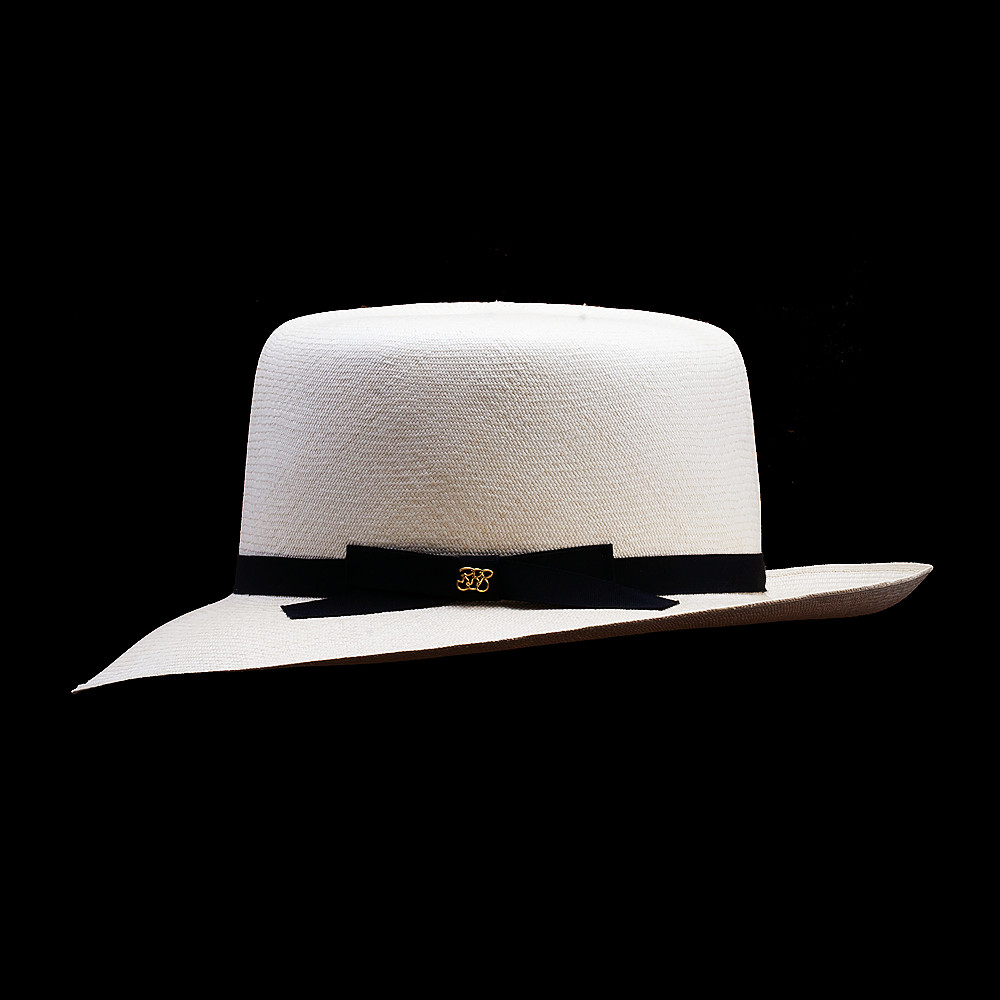
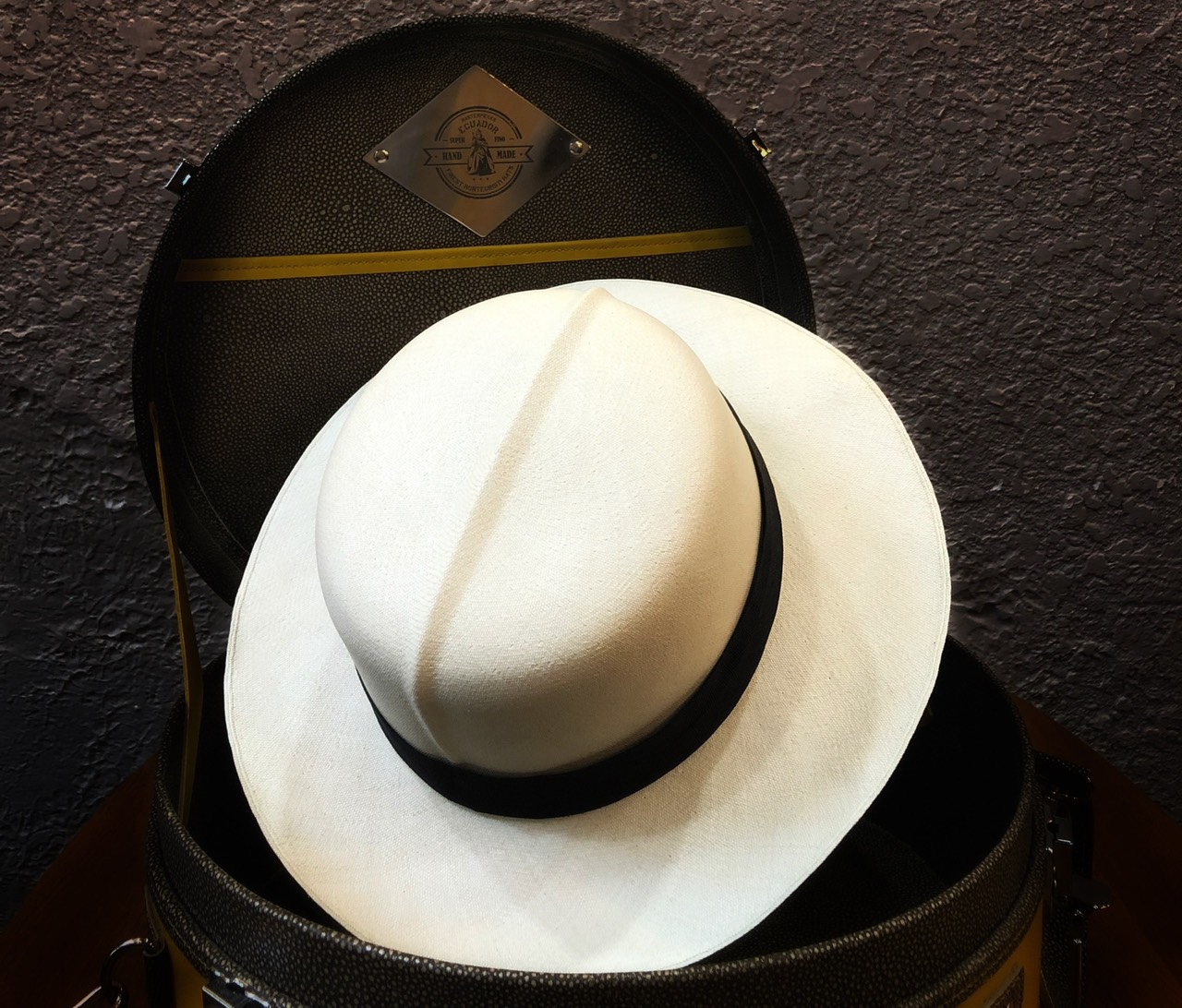
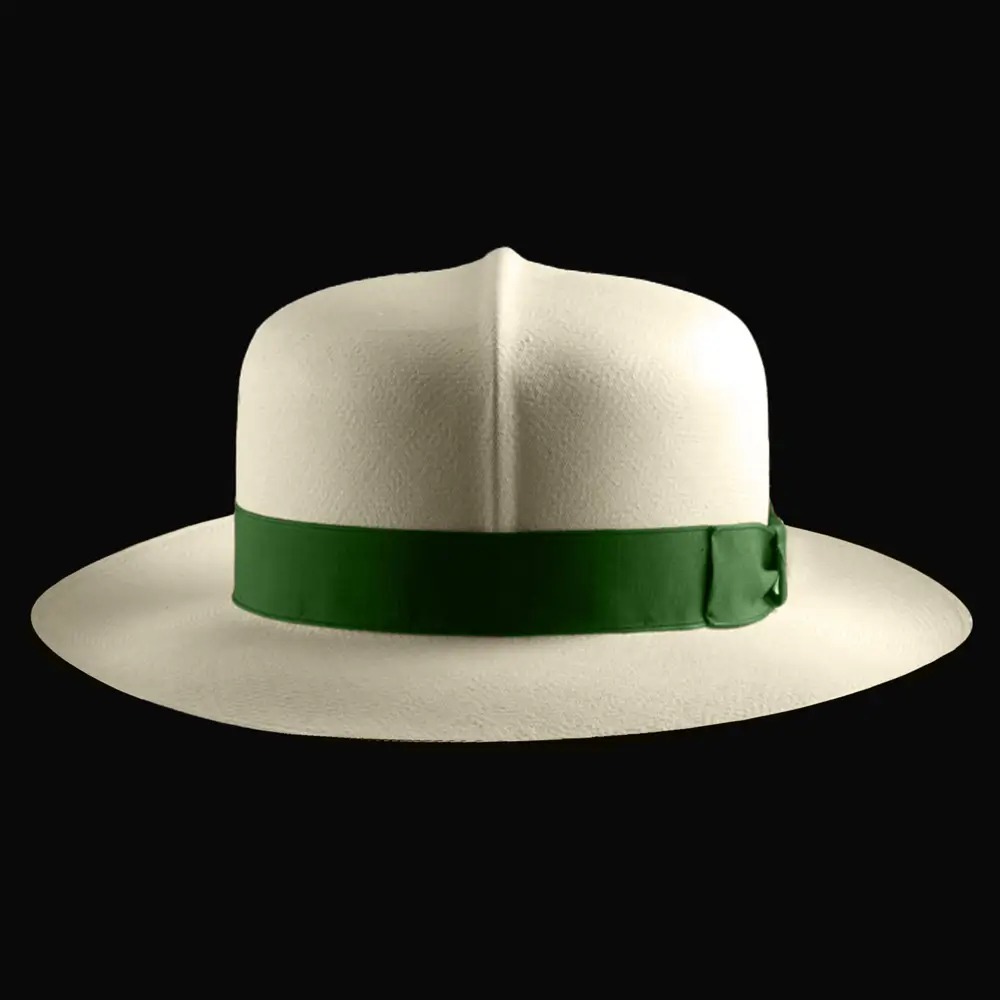
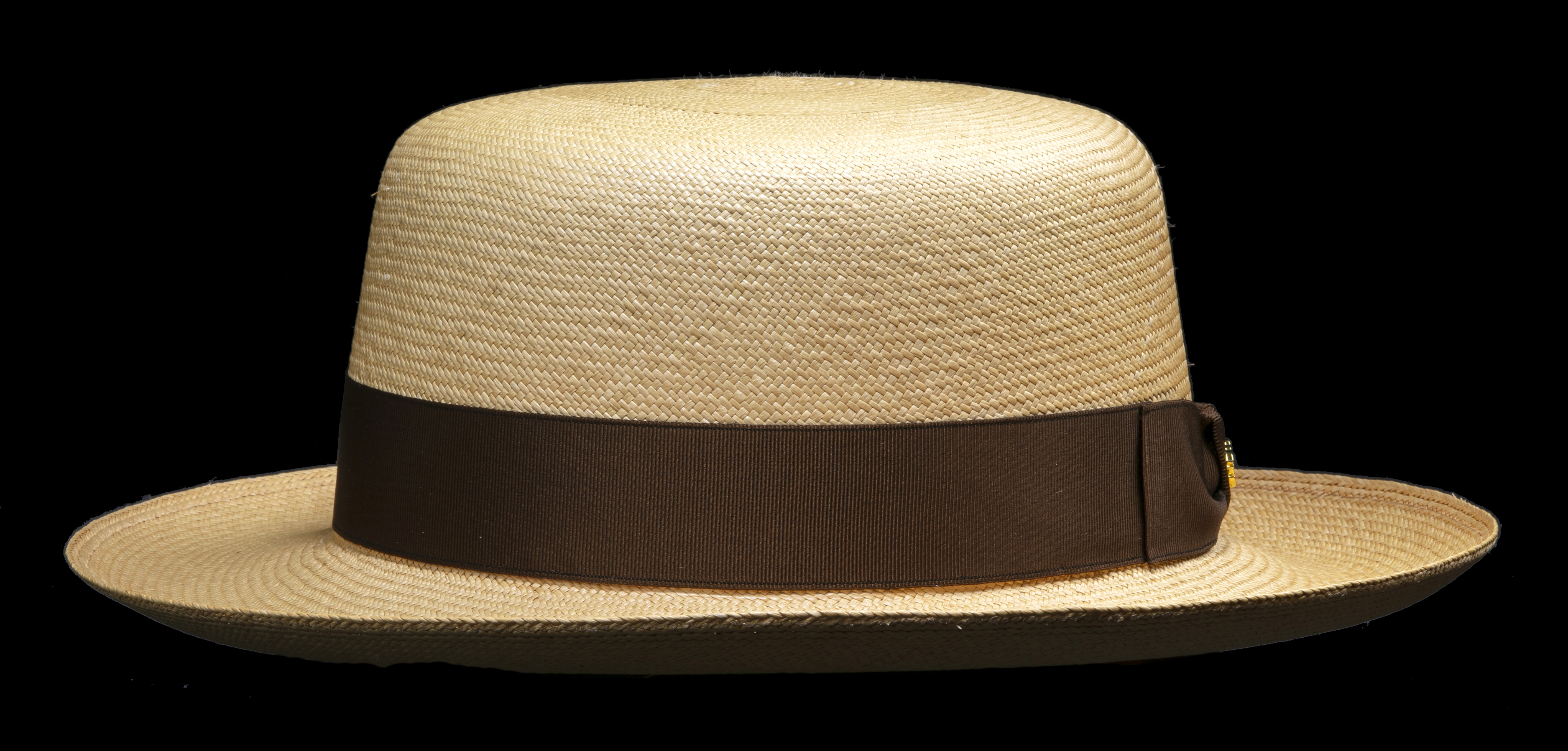
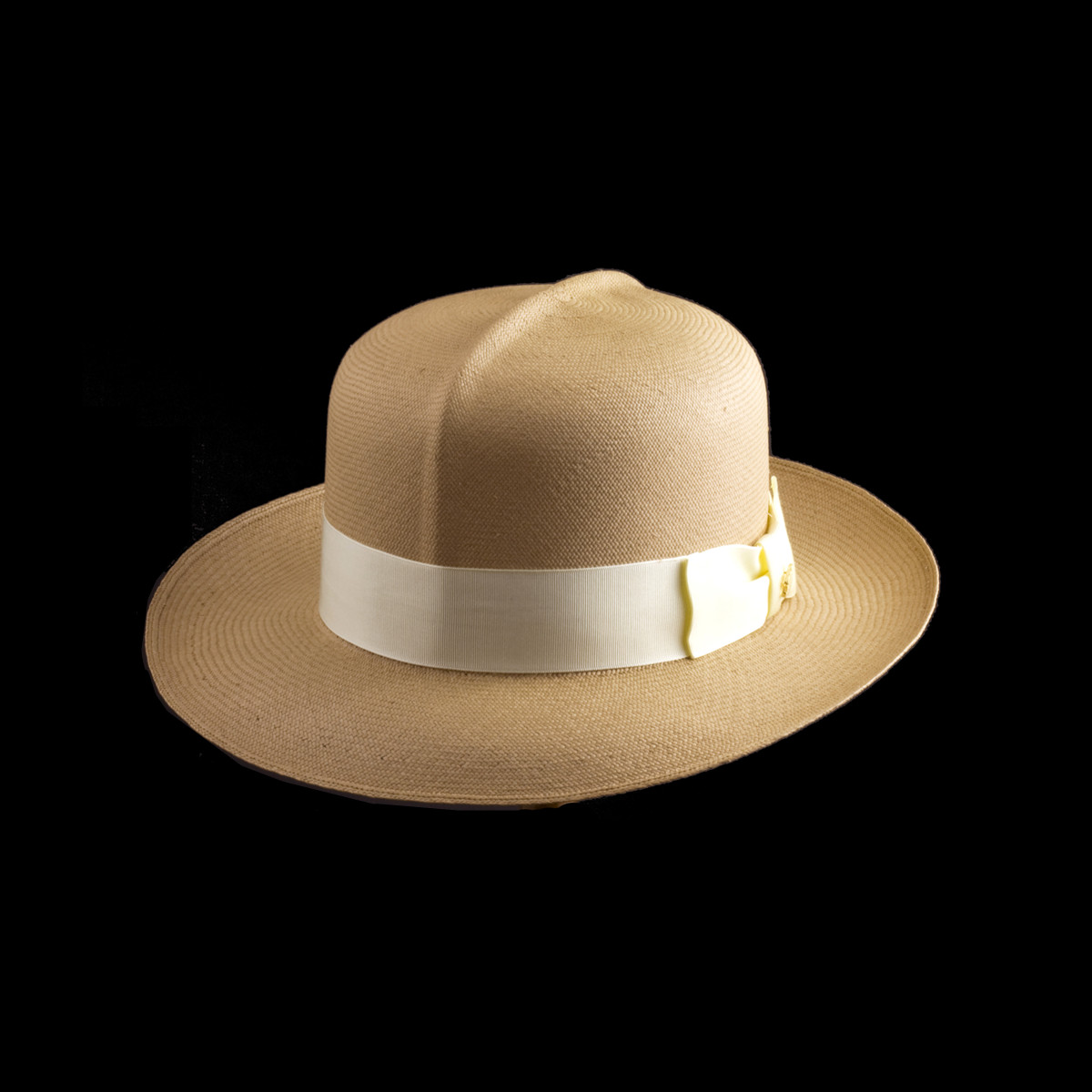
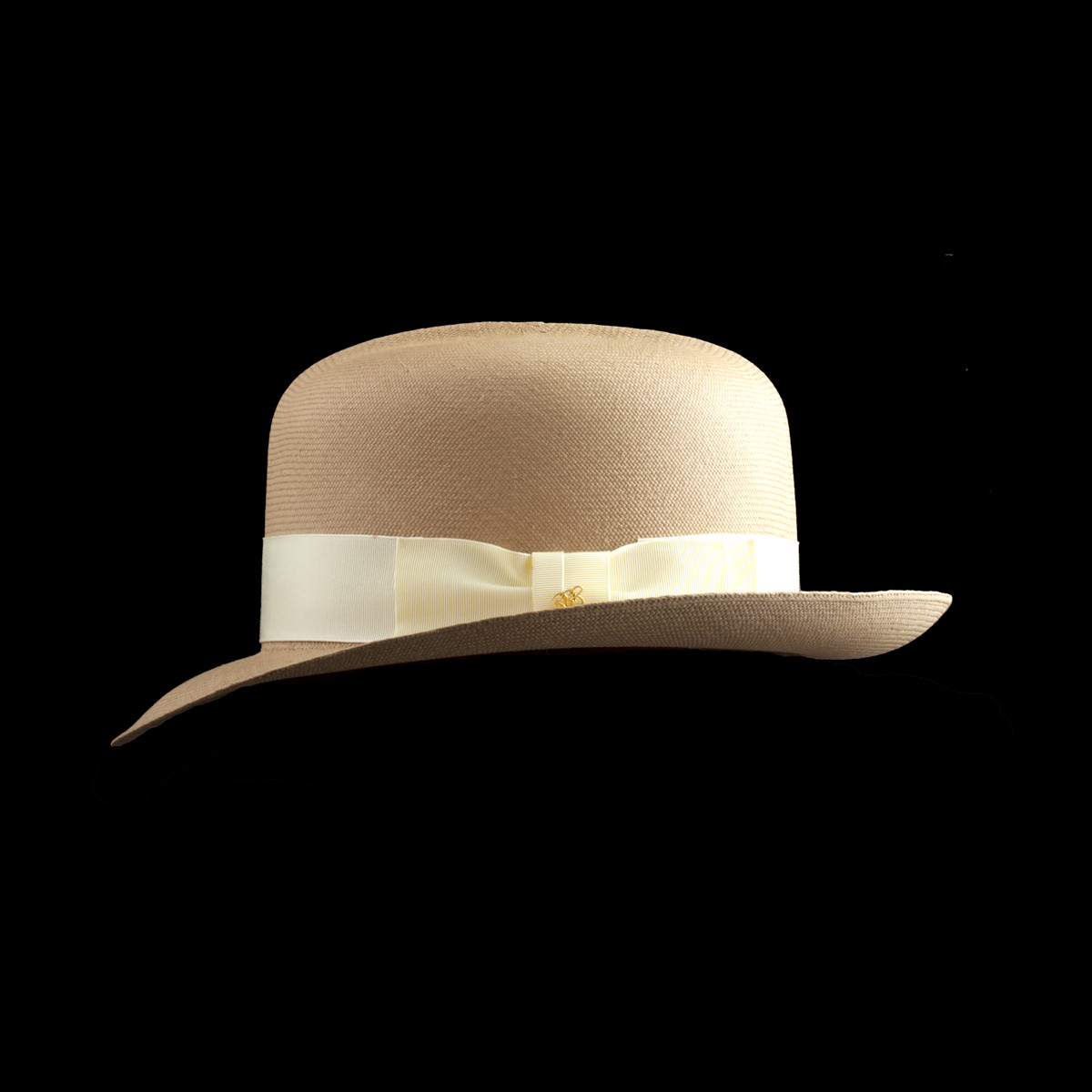
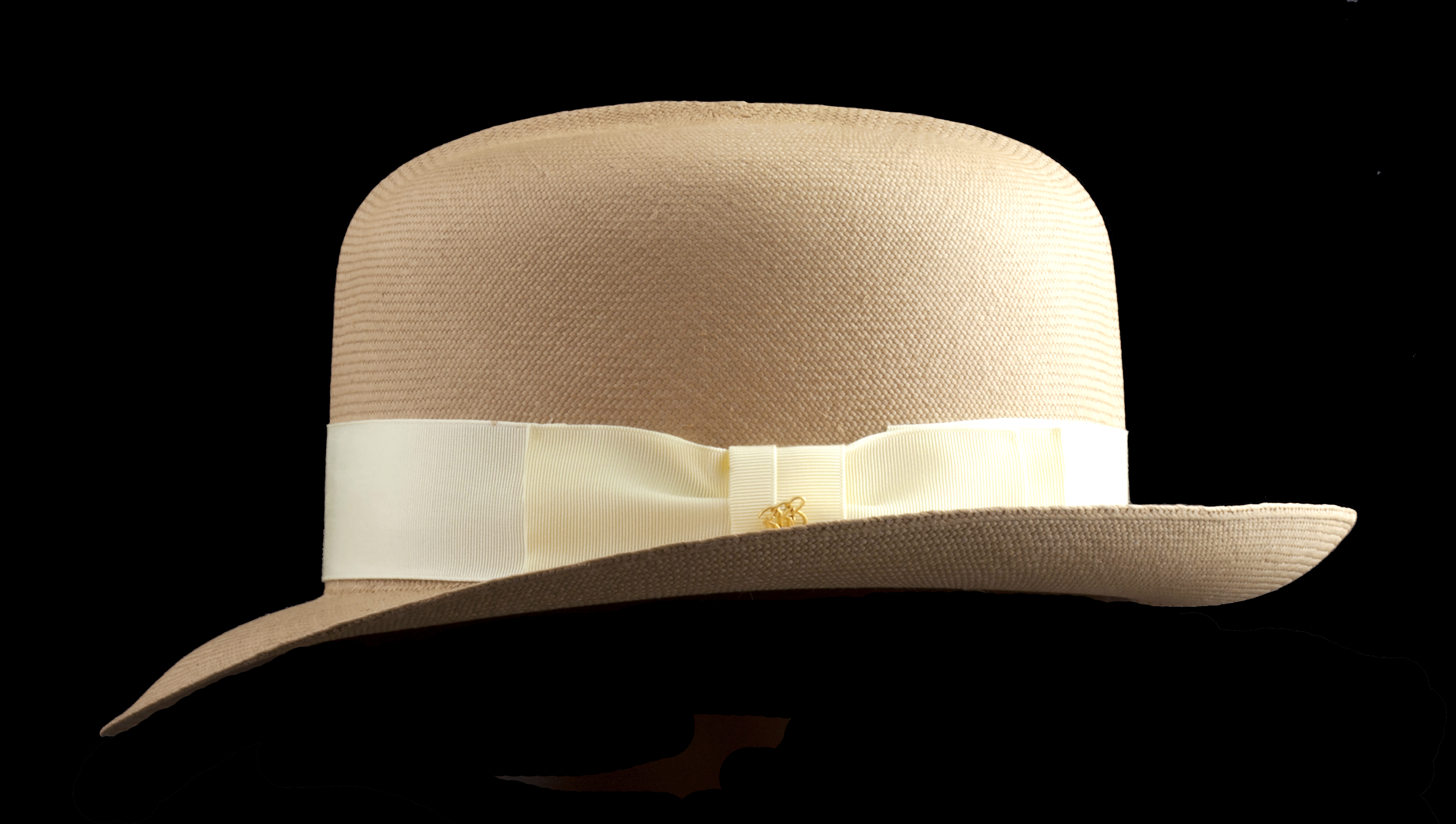
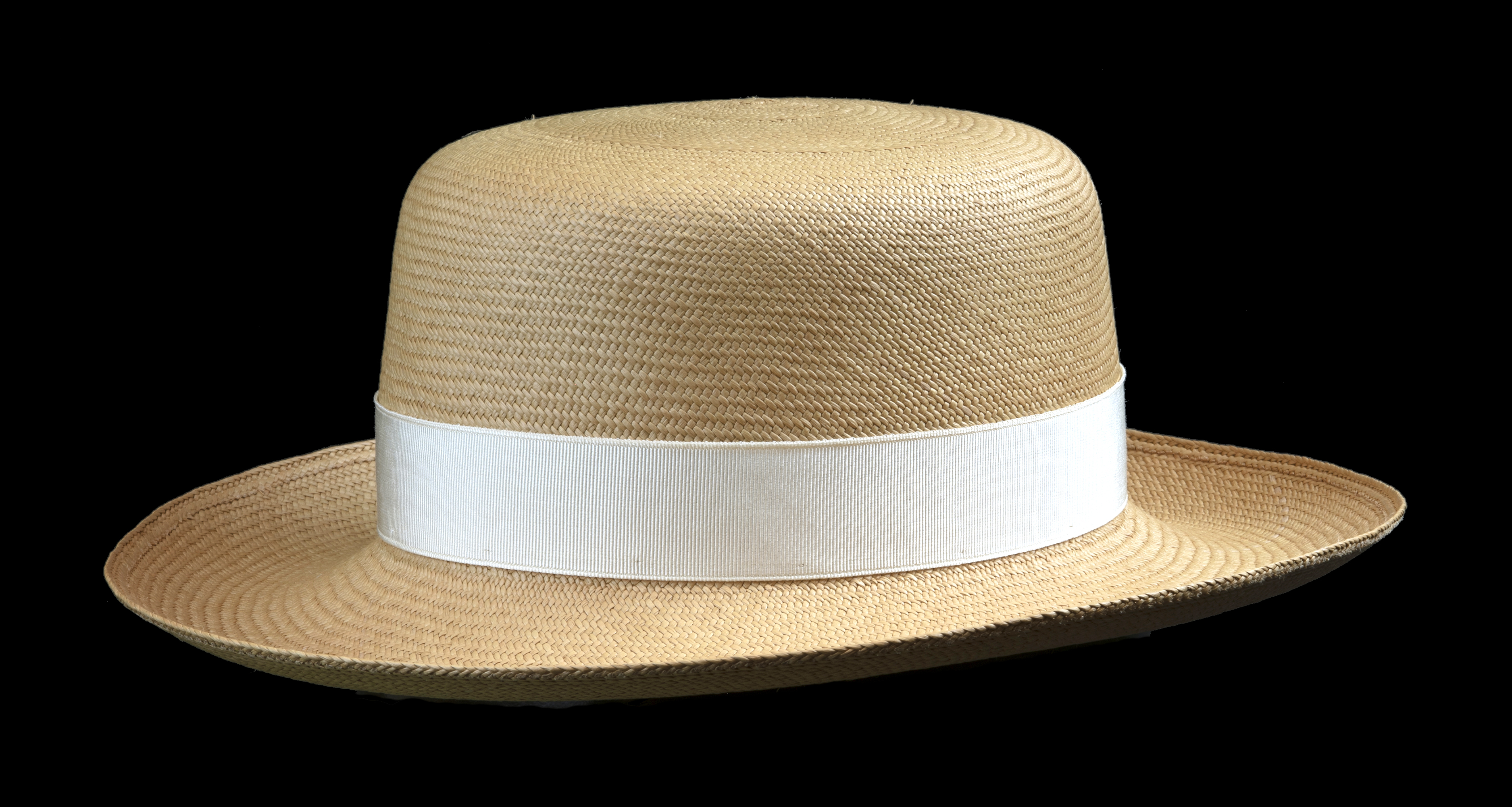
Genuine Panama Hat handwoven in Cuenca - Ecuador. This classic Colonial style is a 'premium quality', each of these hats takes approximately four days to be woven by handThe hats woven by hand in the Pile commune by the Carranza family are fully adapted to current fashion trends. It is not uncommon to see the Pile Montecristi Panama Hat Gambler model in places as diverse as the polo fields in Sotogrande in Cádiz or in the city-state of Singapore. It is a current hat, perfectly usable by women or men and with a great personality. Without a doubt, it is a perfect hat for lovers of authentic fine Montecristis.Natural Panama Hat
womens and men,
sizes 54 cm to 63 cm,
hand-woven straw toquilla
Brim: 6 cm a 7 cm ( 2.5 a 3 inches)
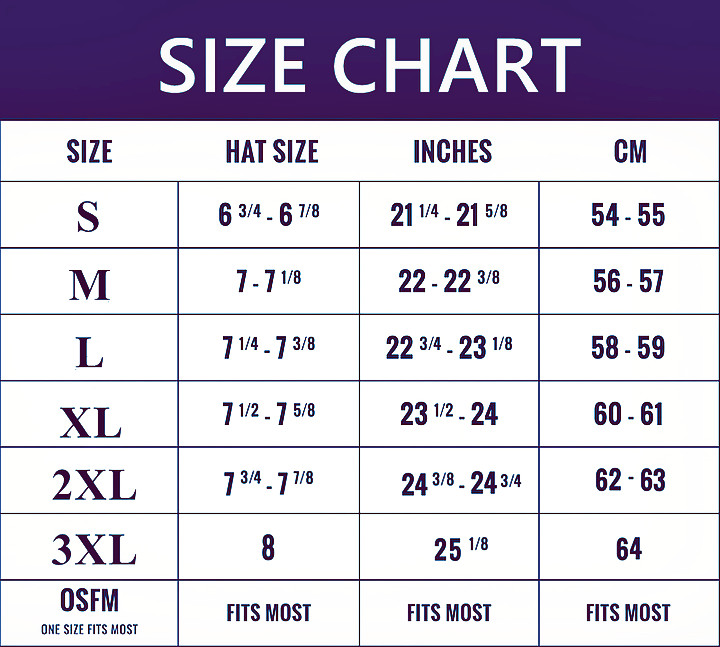
Use the table below to determine your hat size based on your measurements.
" alt="" aria-hidden="true" />
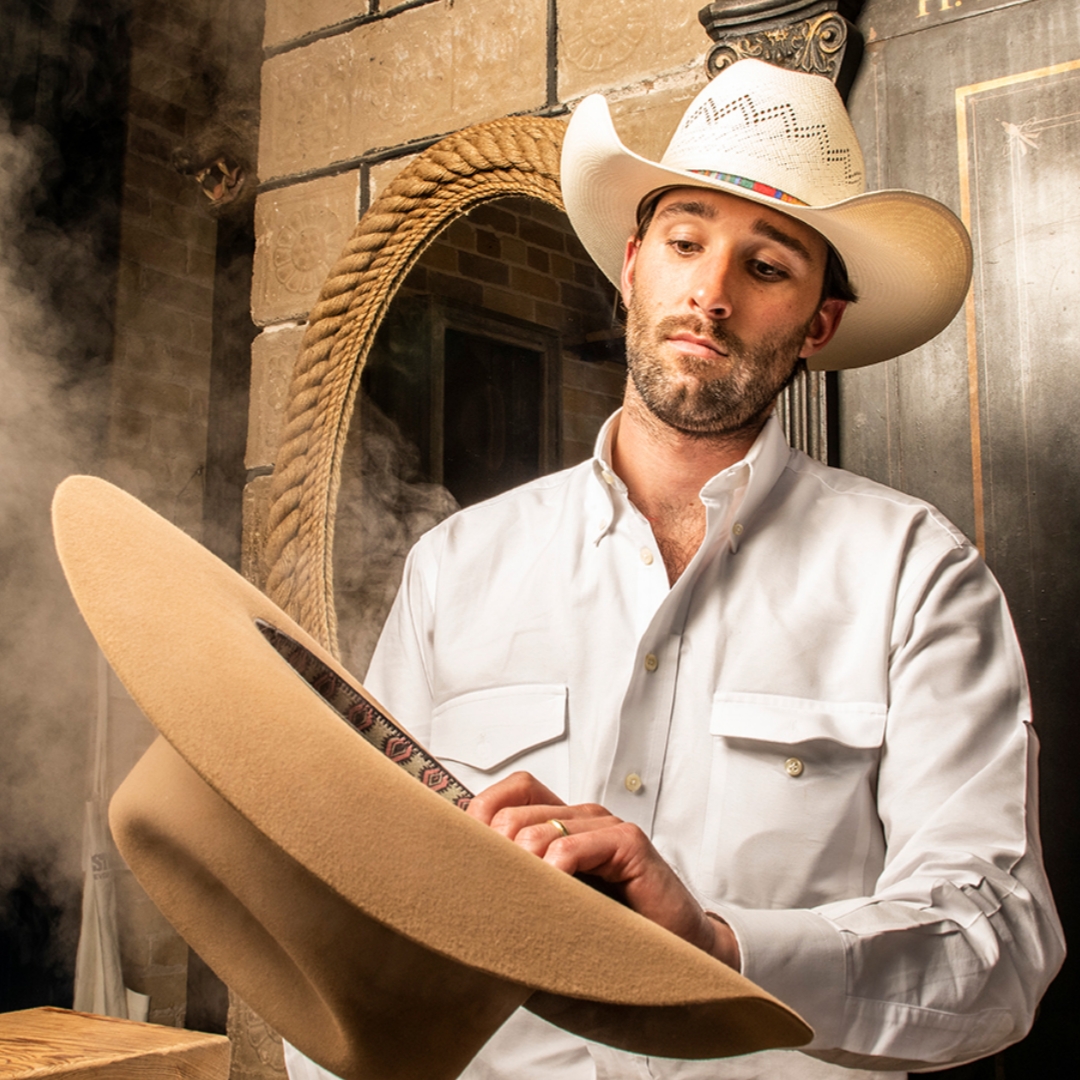
The process begins with finding raw material. Optimo has a worldwide exclusive on sustainably sourced Canadian silver beaver felt from a supplier in Portugal and each year releases various
colors and weights for limited-edition collections. “Beaver is the ultimate fur to felt for a smooth-finish hat because of its tightness and feel,” Thompson says. “Traditionally, underbelly [fur] is known as the best of the best because the color is clearer and more vibrant once it’s dyed.” The fine fur is felted—a time-honored technique that binds the fibers together and produces a bell-shaped hat body—at the mill before being shipped to Chicago. 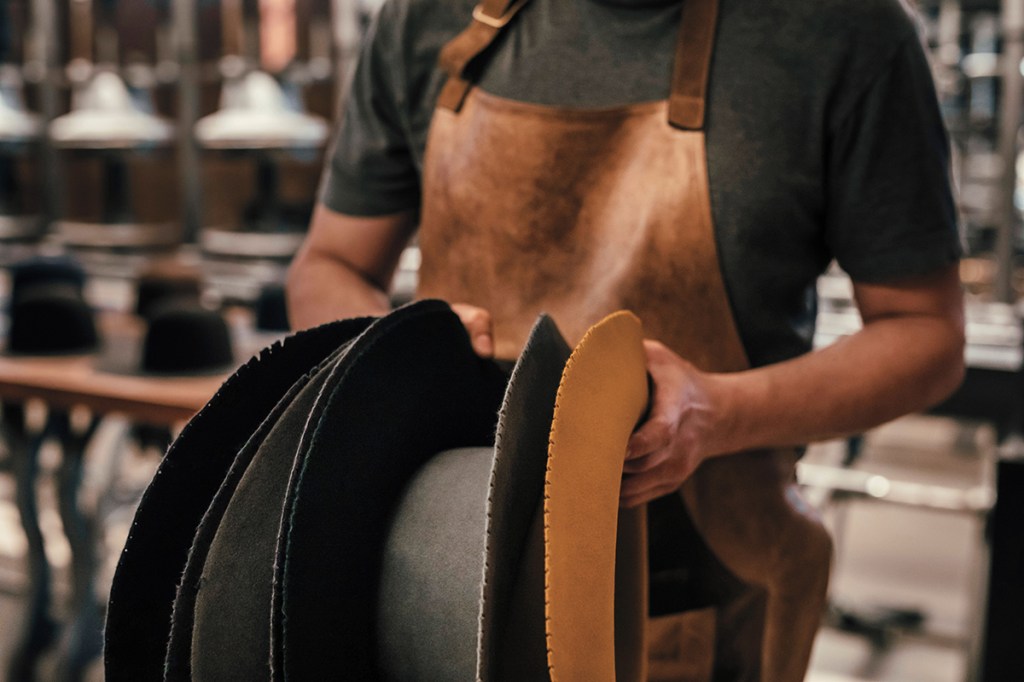 2. Blocking
 3. Slow Bake
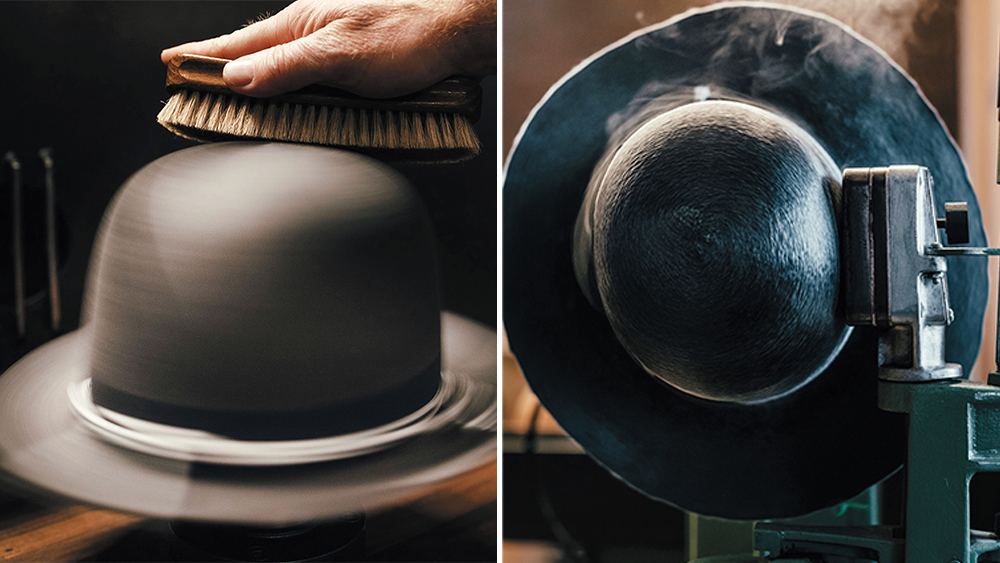
 The hat body is lined up on a rack and left to rest for a few days in a climate-controlled room before going to surface finishing. Most are finished smooth, the felt shaved with fine abrasive papers, as well as conditioned and polished. Finally, a high-suction machine vacuums any dust particles from the pores of the hat. “A lot of the time you don’t see the problems until you begin surface finishing, because they’re beneath the outer layer of felt that’s being worked,” explains Thompson. “Those can be clumps of fibers that weren’t uniformly felted or color inconsistencies.” Finding such flaws means the hat must be scrapped.
 Once the hat passes inspection, it’s off to the trimming room. Here, a sheepskin sweatband is snipped to size and installed with a vintage Singer sewing machine. (Thompson finds the older models to be of higher quality.) The brim is cut, and the edges are either welted, bound, curled, or, in some cases, left raw. The treatment affects not only the look but also how the brim snaps and holds.
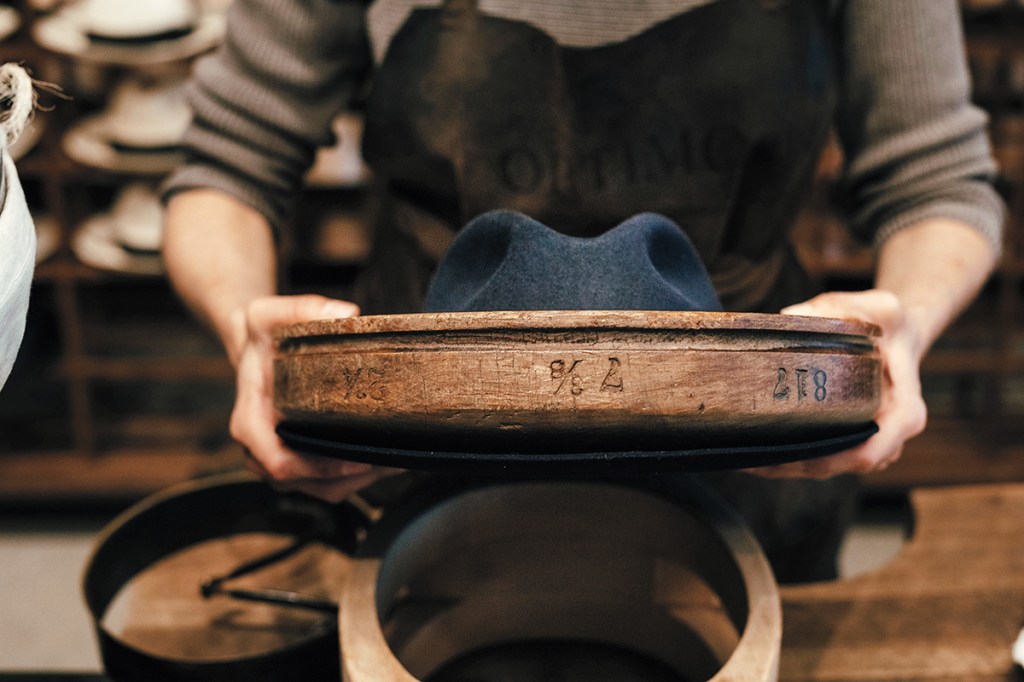
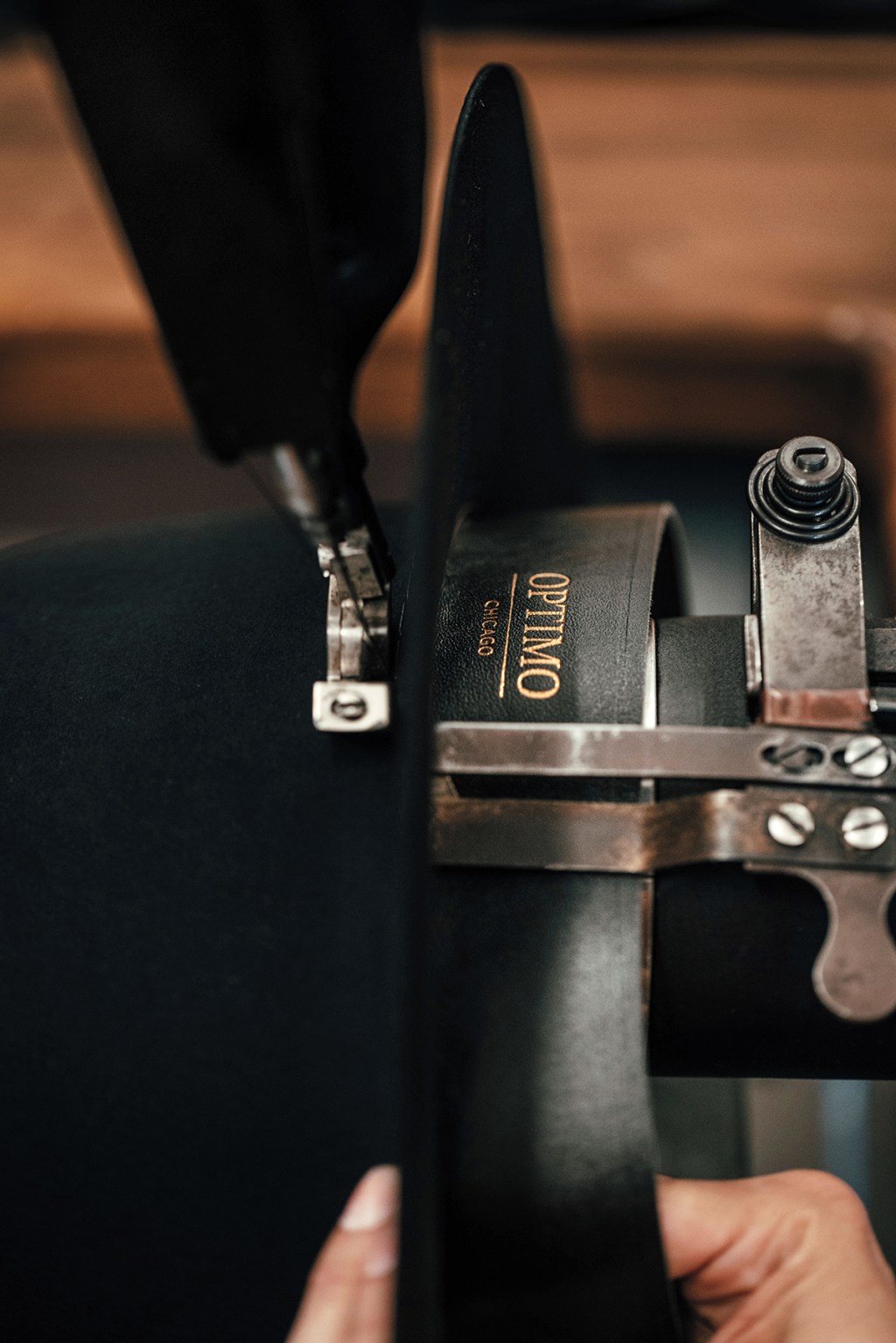 Next comes the flanging bench, where the headwear is flipped upside down into a donut-looking mold called a flange—which corresponds to the desired size, brim width, and brim shape—and placed under a large, heated bag of sand. “It’s kind of an ingenious way to iron the brim,” Thompson says. “It sits under there for several minutes, and then we let it sufficiently cool.”
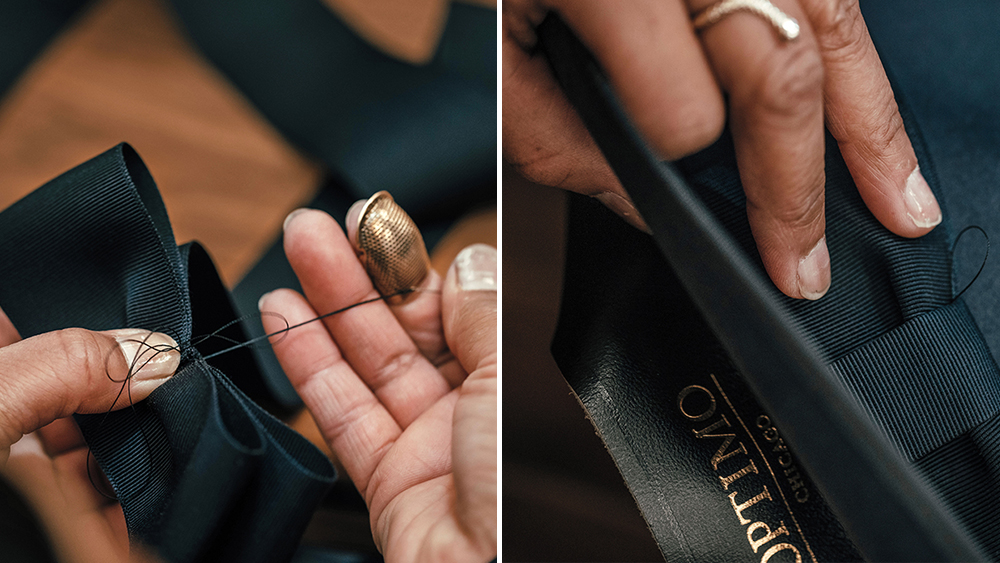
 The piece is returned to the trimming room, where a satin lining is sewn inside the crown and a ribbon and bow are secured to the outside. “Most of our ribbon, we have specially produced for us,” Thompson says. “We’re fortunate enough to have a lot of vintage ribbon that was made in the 1930s, ’40s, and ’50s—the quality was more refined then.”
 Lastly, the hat undergoes a secondary flanging before arriving at the hatter’s bench for final finishing, including creasing, polishing, and gentle steaming to relax the fibers and bring out the colors. Each piece is thoroughly inspected before being placed into its hat box and shipped.
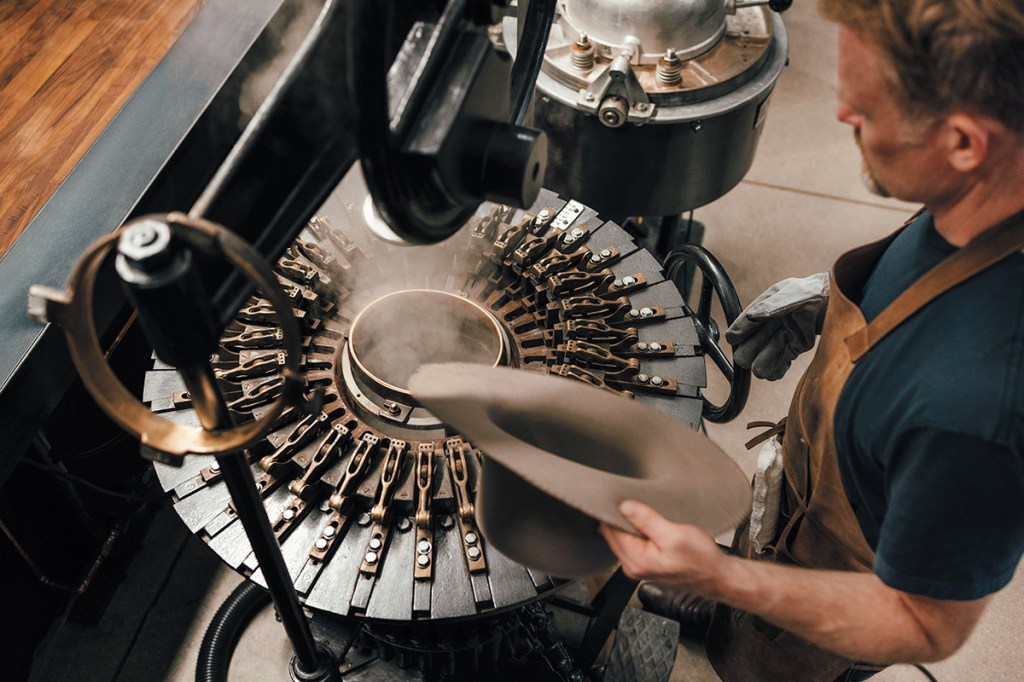
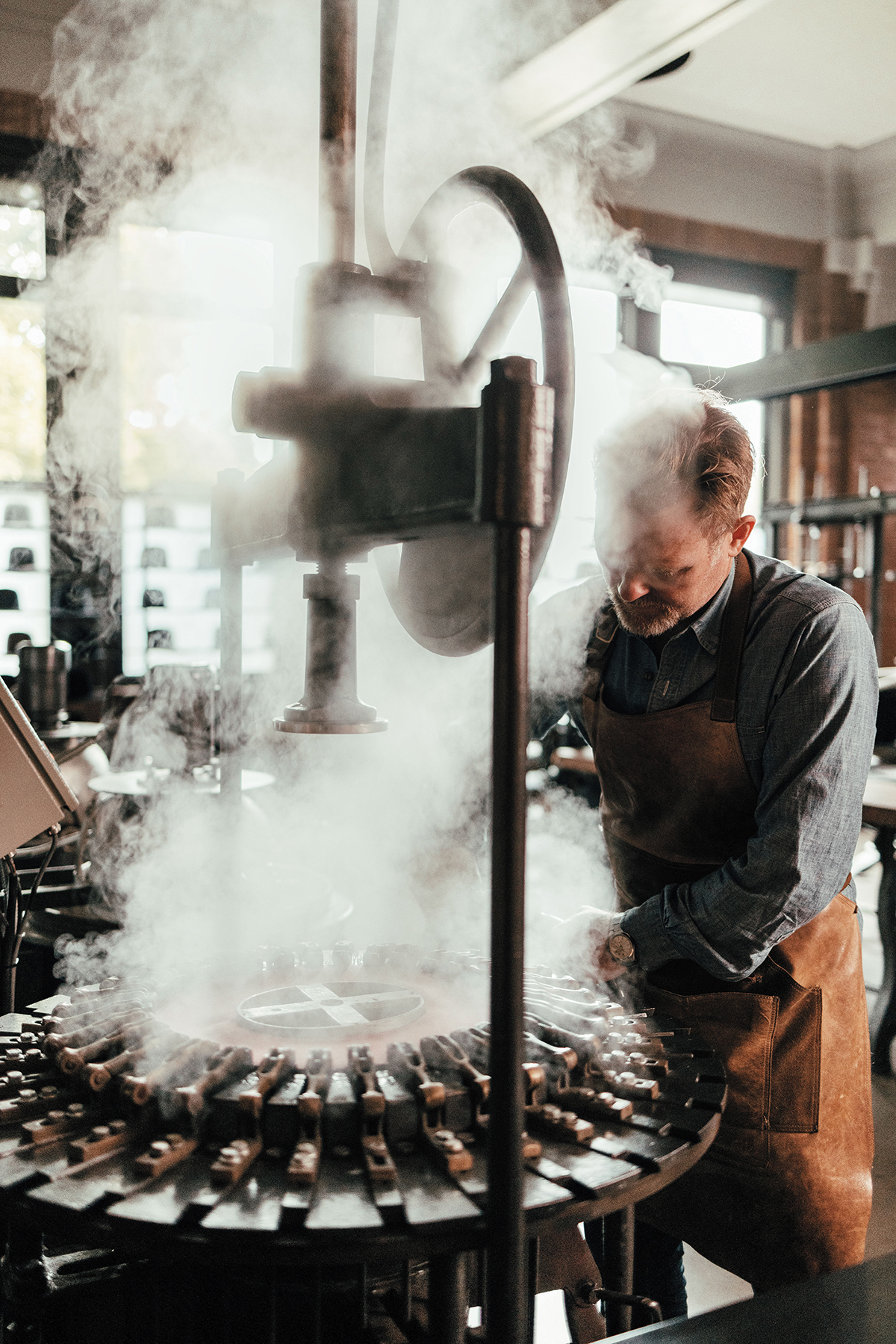
Genuine Panama Hat handwoven in Cuenca - Ecuador. This classic Colonial style is a 'premium quality', each of these hats takes approximately four days to be woven by handThe hats woven by hand in the Pile commune by the Carranza family are fully adapted to current fashion trends. It is not uncommon to see the Pile Montecristi Panama Hat Gambler model in places as diverse as the polo fields in Sotogrande in Cdiz or in the city-state of Singapore. It is a current hat, perfectly usable by women or men and with a great personality. Without a doubt, it is a perfect hat for lovers of authentic fine Montecristis.Natural Panama Hatwomens and men,sizes 54 cm to 63 cm,hand-woven straw toquillaBrim: 6 cm a 7 cm ( 2.5 a 3 inches)Use the table below to determine your hat size based on your measurements.1. Material SourcingThe process begins with finding raw material. Optimo has a worldwide exclusive on sustainably sourced Canadian silver beaver felt from a supplier in Portugal and each year releases variouscolors and weights for limited-edition collections. Beaver is the ultimate fur to felt for a smooth-finish hat because of its tightness and feel, Thompson says. Traditionally, underbelly [fur] is known as the best of the best because the color is clearer and more vibrant once its dyed. The fine fur is felteda time-honored technique that binds the fibers together and produces a bell-shaped hat bodyat the mill before being shipped to Chicago.2. BlockingThe next step, called blocking, creates the initial structure. An inverted hat body is placed into a 1940s blocking machine that Thompson sourced from Germany. The material is then steamed, and a domed mold called a hat block is plunged into the felt, forcing it into the desired size and shape.3. Slow BakeThe blocked hat body is put through a secondary blocking, called decatizing, in which its steamed again and then slowly baked in a decatizing machine. I would liken it to a curing of the fabric, Thompson says. This process makes the felt more resistant to shrinkage and prevents the shape from being knocked out of it. Just to do that step is very expensive and requires a lot of additional molds.4. Rest and VacuumThe hat body is lined up on a rack and left to rest for a few days in a climate-controlled room before going to surface finishing. Most are finished smooth, the felt shaved with fine abrasive papers, as well as conditioned and polished. Finally, a high-suction machine vacuums any dust particles from the pores of the hat. A lot of the time you dont see the problems until you begin surface finishing, because theyre beneath the outer layer of felt thats being worked, explains Thompson. Those can be clumps of fibers that werent uniformly felted or color inconsistencies. Finding such flaws means the hat must be scrapped.5. TrimmingOnce the hat passes inspection, its off to the trimming room. Here, a sheepskin sweatband is snipped to size and installed with a vintage Singer sewing machine. (Thompson finds the older models to be of higher quality.) The brim is cut, and the edges are either welted, bound, curled, or, in some cases, left raw. The treatment affects not only the look but also how the brim snaps and holds.6. Ironing the BrimNext comes the flanging bench, where the headwear is flipped upside down into a donut-looking mold called a flangewhich corresponds to the desired size, brim width, and brim shapeand placed under a large, heated bag of sand. Its kind of an ingenious way to iron the brim, Thompson says. It sits under there for several minutes, and then we let it sufficiently cool.7. Satin LiningThe piece is returned to the trimming room, where a satin lining is sewn inside the crown and a ribbon and bow are secured to the outside. Most of our ribbon, we have specially produced for us, Thompson says. Were fortunate enough to have a lot of vintage ribbon that was made in the 1930s, 40s, and 50sthe quality was more refined then.8. Final TouchesLastly, the hat undergoes a secondary flanging before arriving at the hatters bench for final finishing, including creasing, polishing, and gentle steaming to relax the fibers and bring out the colors. Each piece is thoroughly inspected before being placed into its hat box and shipped.
SIZE GUIDE
Getting the right fit is essential for comfort and style. Follow these simple steps to find your perfect hat size:
Step 1: Measure Your Head
Use a soft measuring tape and wrap it around your head just above your ears, across your forehead — where your hat will naturally sit.
Make sure the tape is level and not too tight.
Step 2: Check the Measurement
Record the measurement in inches or centimeters. Use the chart below to find your corresponding hat size.
Head Measurement (inches) Hat Size
| SIZE | INCHES | CM |
|---|---|---|
| S | 21.3 - 21.6 | 54 - 55 |
| M | 22.0 - 22.4 | 56 - 57 |
| L | 22.8 - 23.1 | 58 - 59 |
| XL | 23.5 - 24.0 | 60 - 61 |
| 2XL | 24.4 - 24.8 | 62 - 63 |
| 3XL | 25.1 | 64 |
| OSFM | FITS MOST | FITS MOST |
Step 3: Choose Your Fit Preference
Some hats come in adjustable styles (e.g., snapback or strapback), which offer more flexibility. If you prefer a snug or loose fit, consider this when choosing your size.
If you're between sizes, we recommend choosing the larger size for greater comfort.